Elevator Service Guide
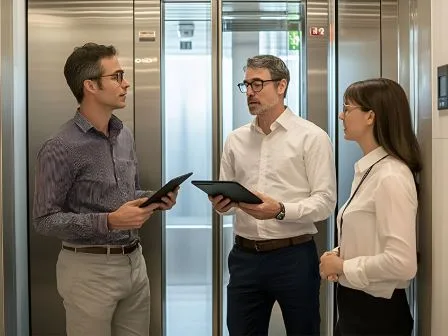
Elevators are essential in modern buildings, helping people and goods move efficiently between different floors. They are commonly used in residential buildings, offices, shopping centers, hotels, hospitals, warehouses, and industrial facilities. Because elevators contain many mechanical, electrical, and safety components, regular elevator service is important for maintaining reliable operation and identifying potential problems before they become serious.
A well-planned service program can support equipment performance, passenger safety, and the long-term condition of the elevator system.
What Is Elevator Service?
Elevator service includes a range of inspection, maintenance, adjustment, cleaning, and repair activities performed on an elevator system. The exact work depends on the type of elevator, its age, usage level, and manufacturer’s recommendations.
Service technicians may inspect components such as doors, cables, pulleys, motors, brakes, control systems, sensors, and safety devices. Regular inspections can help identify worn or damaged components that may require attention.
Why Regular Maintenance Matters
Elevators operate frequently, and busy buildings may have hundreds or thousands of trips every day. Continuous operation can gradually cause wear on mechanical and electrical components.
Routine elevator service allows technicians to monitor the condition of important parts and address minor issues before they lead to larger repairs or unexpected downtime.
Regular maintenance can also help building owners maintain consistent elevator performance and provide a more dependable experience for passengers.
Inspecting Elevator Doors
Elevator doors are among the most frequently used components of an elevator. They open and close repeatedly throughout the day, making proper inspection important.
Technicians may check door panels, rollers, tracks, sensors, and opening mechanisms. They can also look for unusual sounds, delays, or irregular movement.
A properly maintained door system should open and close smoothly while responding correctly to the elevator’s control and safety systems.
Checking Cables and Mechanical Components
Traction elevators commonly use cables and related mechanical components to move the elevator car. These parts experience repeated loads during normal operation.
During service, technicians can inspect cables, sheaves, pulleys, bearings, and other mechanical components for signs of wear or damage.
Hydraulic elevators have different mechanical requirements and require inspection of their hydraulic equipment, cylinders, pumps, valves, and related components.
Electrical and Control Systems
Modern elevators depend heavily on electrical controls. Controllers coordinate the movement of the elevator, door operation, floor selection, acceleration, braking, and various safety functions.
Technicians may inspect control panels, wiring, sensors, switches, and other electrical components during scheduled service.
Identifying electrical problems early can help reduce unexpected interruptions and improve system reliability.
Safety Equipment
Safety systems are a critical part of elevator maintenance. Depending on the elevator design, safety components may include brakes, door interlocks, emergency communication systems, overspeed protection, limit switches, and other devices.
Service technicians should verify that relevant safety equipment is functioning according to applicable requirements and manufacturer specifications.
Safety inspections should be performed by appropriately qualified professionals.
Cleaning and Lubrication
Some elevator components require cleaning and lubrication as part of routine maintenance. Dirt and debris can affect moving parts, door tracks, and other mechanisms.
Proper lubrication can reduce friction on components designed to be lubricated and may help minimize unnecessary wear.
However, not every component should be lubricated, so technicians should follow the manufacturer’s maintenance instructions.
Handling Repairs
Routine service can reveal components that need repair or replacement. Addressing these issues promptly can help prevent further damage.
The repair process may involve replacing worn rollers, adjusting doors, repairing electrical components, changing damaged parts, or addressing problems with the drive system.
The specific repair should be determined after a professional inspection.
Keeping Service Records
Maintaining detailed service records can be useful for building owners and facility managers. Records can show when inspections were completed, what work was performed, which parts were replaced, and whether additional repairs were recommended.
Good documentation can also help technicians understand the maintenance history of an elevator when diagnosing future problems.
Choosing an Elevator Service Provider
When selecting a service provider, building owners should consider technician qualifications, response times, experience with the specific elevator type, replacement-parts availability, and maintenance plans.
Clear service agreements can help define inspection schedules, emergency support, repair procedures, and costs.
Conclusion
Regular elevator service is an important part of managing an elevator system. Inspections, preventive maintenance, safety checks, cleaning, adjustments, and timely repairs can help maintain reliable operation and extend the useful life of equipment.
Building owners should follow manufacturer recommendations and applicable local requirements while ensuring that maintenance is performed by qualified professionals.