Hardware Packing Machine Guide
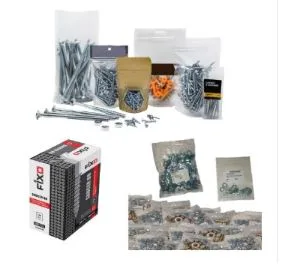
A hardware packing machine is designed to automate the packaging of small hardware products such as screws, nuts, bolts, washers, nails, rivets, and other components. These machines can perform several stages of the packaging process, including feeding, counting or weighing, bag filling, sealing, and labeling.
For manufacturers, wholesalers, and distributors, automated packaging can make the handling of large quantities of small parts more organized and efficient.
What Is a Hardware Packing Machine?
A hardware packing machine is specialized packaging equipment developed for small solid products. Depending on the machine configuration, it can count individual parts or measure them by weight before placing them into a package.
Many systems use vibratory feeders to move small components toward a counting or weighing system. The measured quantity is then transferred into a bag, box, tray, or other packaging format. The package can subsequently be sealed and labeled.
This automated process reduces the need for manual counting and packing.
Common Hardware Products
Hardware packaging equipment can handle many different products. Common examples include screws, bolts, nuts, washers, nails, pins, rivets, springs, and furniture fittings.
Some machines can also handle mixed hardware kits. For example, a furniture kit may require several different types of screws, nuts, and washers in one package. Multi-feeder configurations can be designed to place different components into the same bag or compartment.
Counting and Weighing Systems
Accurate product measurement is an important part of automated hardware packaging. Counting systems are useful when each package needs a specific number of components.
For heavier or bulkier hardware, weighing systems can be used to measure the required quantity by weight. Some machines combine weighing equipment with automatic bagging and sealing systems.
The appropriate method depends on product size, shape, weight, quantity, and packaging requirements.
Main Packaging Process
A typical automated system starts by feeding hardware components into the machine. Vibratory bowls or other feeding equipment can organize and move the parts toward the counting or weighing section.
After the required quantity has been determined, the components are transferred into the packaging material. The machine then forms or positions the package and seals it.
Depending on the configuration, printing and labeling equipment can add product information, batch numbers, barcodes, or other details.
Benefits of Automation
One of the main benefits of a hardware packing machine is improved packaging efficiency. Automated equipment can perform repetitive counting and packaging tasks with less manual labor.
Automation can also provide more consistent package quantities and reduce errors associated with manual counting. This can be particularly useful for businesses processing large volumes of small hardware components.
A well-designed system can also improve workplace organization by creating a consistent packaging workflow.
Choosing the Right Machine
Businesses should consider several factors before selecting a machine. The first is the type and size of hardware being packaged. Small screws may require different feeding equipment than large bolts or irregularly shaped components.
Packaging quantity is another important factor. Some applications require only a few pieces per bag, while others involve larger quantities.
The required packaging material, bag dimensions, production volume, counting method, and available factory space should also be considered.
Maintenance and Operation
Regular maintenance helps keep packaging equipment operating consistently. Feeding components should be kept clean, moving parts should be inspected, and sealing equipment should be checked regularly.
Operators should also follow the manufacturer’s instructions when adjusting counting systems, feeding mechanisms, and packaging settings.
Proper training can help prevent incorrect machine settings and unnecessary downtime.
Applications
Hardware packing machines are used by manufacturers and distributors serving industries such as furniture, construction, electrical products, automotive components, and general hardware.
They can package individual products as well as complete hardware kits. Automated systems are especially useful when businesses need repeatable packaging quantities and higher production efficiency.
Conclusion
A hardware packing machine provides an efficient way to automate the handling and packaging of screws, nuts, bolts, washers, and other small components. Depending on the configuration, the equipment can count or weigh products, fill packages, seal them, and apply labels.
By selecting equipment according to product characteristics, packaging requirements, and production volume, businesses can create a more consistent and efficient packaging operation.