Aesthetic Machines Guide
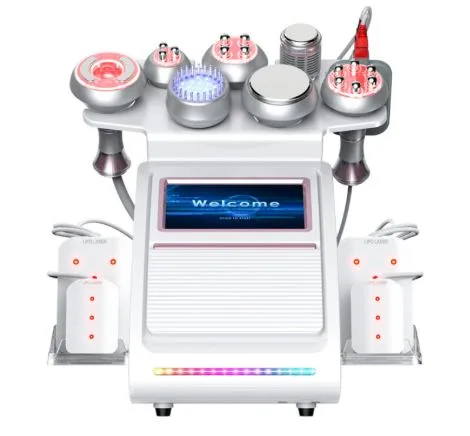
Aesthetic machines have become an important part of modern beauty and wellness businesses. Clinics, salons, dermatology centers, and aesthetic practices use these machines to support a wide range of cosmetic treatments. Depending on the technology, aesthetic machines can be designed for skin rejuvenation, hair removal, body contouring, pigmentation concerns, and other non-invasive procedures.
As demand for professional aesthetic treatments continues to grow, choosing suitable equipment has become an important decision for business owners and practitioners. Understanding the main types, features, and applications can make the selection process easier.
What Are Aesthetic Machines?
Aesthetic machines are professional devices designed to perform cosmetic and skin-related treatments. They use different technologies, including laser energy, radiofrequency, ultrasound, intense pulsed light, and other forms of controlled energy.
Each machine is developed for specific applications. Some focus on improving skin appearance, while others are designed for hair reduction or body treatments. Modern equipment may also combine multiple functions into a single system.
Common Types of Aesthetic Machines
There are many types of aesthetic machines available on the market. Laser systems are commonly used for hair reduction, skin resurfacing, and pigmentation-related treatments. Their effectiveness depends on the wavelength, treatment settings, and intended application.
Radiofrequency machines use controlled electromagnetic energy to heat targeted tissue. They are often used in treatments focused on skin tightening and improving the appearance of fine lines.
Ultrasound-based systems use sound energy for selected aesthetic applications. Depending on the technology, they may be used for facial treatments or body contouring.
Intense pulsed light, commonly known as IPL, uses broad-spectrum light and can be used for applications such as hair reduction and improving the appearance of certain pigmentation or redness concerns.
Some advanced platforms combine multiple technologies, allowing practitioners to provide several types of treatments using one system.
Benefits of Using Professional Equipment
One major benefit of modern aesthetic machines is treatment versatility. A business can select equipment that supports several services, potentially allowing it to serve different customer needs.
Professional machines may also provide adjustable settings. Practitioners can modify treatment parameters according to the device’s instructions, treatment area, and individual requirements.
Another advantage is improved workflow. Well-designed equipment can make treatment procedures more organized and efficient when practitioners are properly trained to use the system.
Modern aesthetic equipment can also improve the overall customer experience. Features such as ergonomic handpieces, adjustable settings, cooling systems, and user-friendly interfaces can make professional treatments more convenient.
What to Consider Before Buying
Before purchasing aesthetic machines, businesses should carefully evaluate their requirements. The first consideration should be the intended treatments. Buying a machine simply because it has many features may not be practical if those features are rarely needed.
Technology and specifications should also be reviewed carefully. Businesses should understand the machine’s operating requirements, treatment capabilities, maintenance needs, and available accessories.
Training is another important factor. Professional aesthetic equipment should be operated by appropriately trained individuals who understand the manufacturer’s instructions and relevant safety procedures.
After-sales support is equally important. Reliable technical support, maintenance services, replacement parts, and training resources can help reduce operational problems.
Importance of Quality and Safety
Quality should always be considered when selecting aesthetic equipment. Businesses should purchase machines from reputable manufacturers or authorized suppliers and verify that the equipment meets applicable regulatory and safety requirements in their market.
Safety features can vary between models. Emergency controls, cooling systems, protective accessories, and built-in monitoring functions may be important depending on the technology.
Practitioners should follow manufacturer instructions and use appropriate protective measures during every procedure.
Maintaining Aesthetic Machines
Regular maintenance can help keep equipment operating properly. Cleaning handpieces and treatment surfaces, inspecting cables, checking accessories, and following recommended servicing schedules are all important parts of equipment care.
Manufacturers may provide specific maintenance instructions for each model. Following these guidelines can help reduce unexpected downtime and extend the useful life of the equipment.
Conclusion
Aesthetic machines play an important role in modern cosmetic and wellness services. From laser and IPL systems to radiofrequency and ultrasound technologies, different machines are designed for different applications.
Businesses should consider treatment requirements, equipment quality, training, safety, maintenance, and technical support before making a purchase. Selecting the right equipment can help an aesthetic practice build a reliable treatment offering while maintaining professional operating standards.