Single Drum Versus Double Drum: The Road Roller Debate
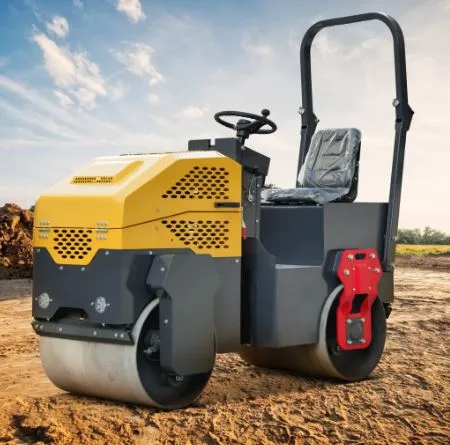
Ask ten paving contractors which compaction machine belongs on the average job and you will get ten confident answers, each grounded in the type of work that fills their calendar. The disagreement is not accidental. A road roller optimised for hot-mix asphalt on a highway shoulder is genuinely different from one built for sub-base preparation on a rural driveway, and the wrong choice shows up in weeks as premature cracking or uneven surfaces that require expensive rework. This article puts the two dominant configurations side by side and works through the situations that favour each. Rather than declaring a universal winner, the goal is to help small paving contractors, municipal maintenance crews, and rental yard operators recognise which machine actually matches their workload and which one has been sitting idle in the fleet for reasons no one bothered to examine.
What Actually Differs Between the Two Configurations
A single drum machine pairs a smooth vibratory drum at the front with pneumatic drive wheels at the rear, delivering high compaction force on the drum end and superior traction from the tyres. A double drum machine places smooth vibratory drums on both ends, giving uniform compaction across the full contact footprint and enabling the operator to work close to obstacles from either direction. The mechanical difference sounds minor. In practice, the two designs suit almost opposite kinds of work, and picking between them for the wrong reasons is one of the most common mistakes in compaction equipment purchasing. A quality road roller in either configuration will outlast poorly matched jobs by many years, but only when the match is deliberate rather than accidental.
Compaction Force Versus Finish Quality
Single drum machines shine on sub-base and granular materials where deep compaction matters more than surface finish. The pneumatic rear tyres knead the material as they roll, effectively continuing compaction after the vibratory drum has passed. This makes single drum units the default for earthworks contractors preparing foundations, road bases, and large fill areas. Double drum machines, by contrast, deliver a smoother visible finish on asphalt surfaces because both drums leave the same steel-on-asphalt imprint. For final passes on hot-mix, the double drum wins on aesthetics and often on density uniformity as well.
Manoeuvrability in Tight Spaces
Working close to kerbs, gutters, and finished structures rewards machines that can reverse and compact without leaving footprint transitions. Double drum machines handle these situations naturally because reversing simply flips which drum leads. Single drum operators face a more awkward problem: the rear tyres will not deliver the same finish as the drum, so working in reverse near a finished edge often leaves visible tread marks in soft asphalt. Small paving crews that regularly work on parking lots, alleys, and residential driveways lean heavily toward double drum for this reason alone.
Matching the Machine to Real Work
Rather than choosing on general principles, map compaction requirements to actual project mix. A contractor whose annual work splits sixty percent asphalt overlay and forty percent sub-base preparation faces a different decision than one who runs eighty percent earthworks. Fleet economics also matter. If the business already owns pneumatic compactors for finish work, a single drum machine covers the base preparation gap without duplicating capability, whereas a fleet lacking any finish compactor needs the double drum contribution.
Asphalt Overlay and Repair Work
For overlay and patch repair, the double drum design produces the smooth ride motorists expect and passes inspection scrutiny in municipal projects. Water spray systems are essential regardless of configuration, but the double drum requires more careful water management because both drums must stay wet to avoid pickup of hot asphalt. Vibration frequency and amplitude control let operators adjust for lift thickness, and a machine with dual amplitude modes handles both thick base lifts and thin surface courses without needing multiple passes to correct for density issues.
Sub-Base and Trench Compaction
Sub-base work rewards the single drum machine’s tyre-driven kneading action, which handles crushed stone and granular fill more effectively than pure vibration alone. Trench compaction is a different problem entirely and often calls for a walk-behind trench roller rather than either full-size configuration. Trying to compact a narrow utility trench with a full-size machine wastes time and rarely reaches the density that a purpose-built trench roller achieves in half the passes. Recognising when neither of the main configurations fits and reaching for the right tool saves both money and repeat visits.
Total Ownership Considerations
Purchase price, fuel consumption, and maintenance intervals shape the ownership picture more than any single feature comparison. Diesel engines in the eight to twelve tonne class are largely commoditised, and the differences between manufacturers show up in cab ergonomics, control layout, and how easy it is to service the water spray system when it clogs. Water tank capacity determines how often you refill during a shift, which sounds trivial until you realise a small tank means an extra hour of downtime across a day of continuous asphalt work. Manufacturers such as MMS INDUSTRIAL publish tank capacity and spray coverage numbers that let contractors calculate realistic productivity rather than guessing from spec sheets.
Vibration bearings are the component most likely to end a machine’s useful life prematurely, so ask any dealer about the service interval and expected replacement cost before signing. A well-maintained machine in the ten tonne class will run seven to ten thousand hours before major hydraulic or vibration system service, provided the operator treats the vibration engagement thoughtfully rather than switching it on and off during every pass.
Operator Training and Passes
Density comes from the correct number of passes at the correct speed and amplitude, not from more brute force. Operators who understand this deliver superior results on both single and double drum machines, while inexperienced operators tend to overcompact in some areas and undercompact in others. Structured training and access to a nuclear density gauge on larger projects turns a rough estimation habit into repeatable quality. This investment pays back on the first job where an inspector accepts your compaction report without asking for retest cores.
Making the Right Call for Your Fleet
Neither configuration is universally superior. The right choice depends on the proportion of your work that is asphalt finish versus base preparation, the site conditions you typically encounter, and what compaction capability already exists in your fleet. Contractors who spend most of their week paving lean double drum, while those building roads from the ground up often need single drum first and add double drum as work volume grows. Audit your last twelve months of invoices, count how many jobs each configuration would have served better, and let the numbers rather than habit decide the purchase. That discipline separates fleets that grow profitably from those that accumulate underused equipment.