How Weed Barrier Fabric Helps Improve Weed Management in Landscaping and Horticulture?
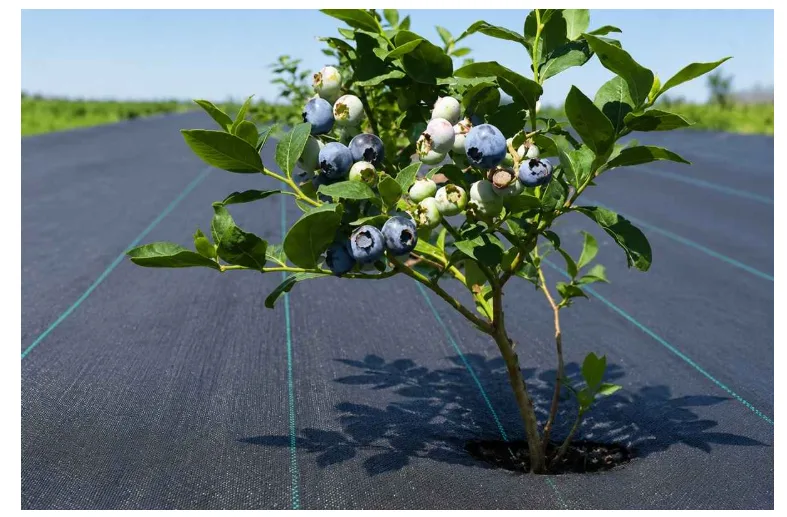
Weed management is an important part of maintaining healthy, attractive, and productive landscapes. Unwanted weeds compete with desirable plants for water, nutrients, sunlight, and growing space. If left unmanaged, they can quickly spread across garden beds, nursery areas, pathways, and commercial planting sites. While hand weeding, herbicides, and mechanical methods can provide control, they often require repeated effort.
Weed barrier fabric offers a practical way to reduce weed emergence while supporting more efficient landscape and horticultural management.
What Is Weed Barrier Fabric?
Weed barrier fabric is a permeable material installed over soil to limit the amount of sunlight reaching weed seeds and emerging plants. By creating a physical barrier, it makes it more difficult for weeds to establish and grow through the covered area.
Unlike completely impermeable plastic sheets, quality fabrics are designed to allow essential resources such as water and air to move through the material. This makes them useful around ornamental plants, nursery stock, trees, shrubs, and other established vegetation.
When properly selected and installed, a fabric barrier can work alongside mulch, gravel, irrigation systems, and other landscaping materials to create a more manageable growing environment.
How Does It Controls Weeds?
The primary purpose of fabric is to restrict weed growth by blocking sunlight. Most weeds need light to develop properly, and reducing light exposure can prevent many weed seedlings from becoming established.
The fabric also creates a physical separation between the soil surface and the growing environment above it. Although it does not eliminate every possible weed problem, it can significantly reduce the number of weeds that emerge through covered areas.
For professional applications, weed control fabric can be particularly useful because it reduces the frequency of routine maintenance. Instead of constantly removing weeds from large planting areas, landscape teams can focus their time on plant care, irrigation, pruning, and other essential tasks.
Common Applications
Weed barrier materials are used across a wide range of landscaping and horticultural environments. Their usefulness depends on the fabric type, installation method, soil conditions, and intended application.
Landscaping
In residential and commercial landscapes, fabric can be installed beneath decorative stone, gravel, mulch, and other ground-cover materials. It is commonly used around trees, shrubs, flower beds, pathways, and hardscape features where controlling weeds is important for appearance and maintenance.
A properly installed ground cover fabric can help create a cleaner surface while reducing the need for frequent manual weeding.
Nurseries
Plant nurseries often manage large growing areas where weed pressure can increase labor requirements. Fabric can be used around container plants, beneath nursery rows, and in designated production areas.
By limiting weed growth between plants, a mat can help nursery workers maintain organized growing spaces and spend less time removing unwanted vegetation.
Horticulture
Horticultural growers may use weed barriers around fruit plants, vegetables, ornamentals, and other crops. The material can be particularly helpful in rows where weed competition needs to be reduced without relying entirely on chemical control methods.
Commercial Planting Areas
Large commercial properties, public landscapes, garden centers, and planting installations can also benefit from fabric barriers. Covering appropriate areas can help make long-term maintenance more predictable, particularly where labor availability and maintenance costs are significant considerations.
Woven vs. Non-Woven Fabric
Not all weed barriers are manufactured in the same way. The two broad categories are woven and non-woven fabrics, and each has characteristics suited to different applications.
Woven Weed Barrier
A woven weed barrier is generally manufactured by interlacing strips or threads to create a structured material. This construction can provide good strength and resistance to tearing, making woven products suitable for areas that experience foot traffic, equipment movement, or long-term exposure.
Woven fabrics are commonly selected where durability and repeated performance are priorities. Their construction can also provide useful water permeability when the product is specifically designed for landscaping or horticultural applications.
Non-Woven Fabric
Non-woven fabrics are produced by bonding or entangling fibers rather than weaving them together. Depending on the material, they can offer effective coverage and filtration properties.
Non-woven products may be appropriate for certain landscaping, drainage, separation, and planting applications. However, professionals should evaluate the product’s intended use rather than assuming that every non-woven material will provide the same level of weed suppression or durability.
The right choice ultimately depends on soil conditions, expected traffic, installation requirements, climate, and how long the material needs to remain in place.
Key Fabric Features
Several characteristics determine whether a weed barrier will perform effectively over time.
Water Permeability
Water permeability is essential because desirable plants still need access to irrigation and rainfall. A suitable weed barrier should allow water to pass through rather than creating unnecessary runoff or water accumulation on the surface.
Air movement through the fabric can also support healthier soil conditions. Before installation, professionals should confirm that the product’s permeability characteristics are suitable for the intended planting environment.
Durability
Durability becomes especially important in commercial and long-term installations. Fabric can encounter soil movement, gardening tools, foot traffic, equipment, and changing weather conditions.
A stronger material may be more appropriate for areas where the barrier will remain exposed to demanding conditions. Proper installation also plays an important role in preventing tears and premature failure.
UV Resistance
Ultraviolet exposure can gradually weaken many synthetic materials. If fabric is expected to remain exposed to sunlight, UV resistance is an important consideration.
A UV-resistant weed barrier fabric can maintain its physical properties for longer, helping reduce the likelihood of early replacement. Professionals should check the manufacturer’s stated UV performance and intended exposure conditions before selecting a product.
Fabric Weight
Fabric weight can provide useful information about the material’s construction and intended application. Heavier fabrics may offer greater resistance to physical damage, while lighter products can be easier to handle and install.
However, heavier does not automatically mean better. The appropriate weight should be determined by the site’s requirements, installation method, expected traffic, and desired service life.
Choosing the Right Fabric
Selecting an appropriate weed control fabric can influence both immediate performance and long-term maintenance. Professionals should consider the entire environment rather than choosing a product based solely on price or thickness.
Important factors include:
- Expected weed pressure and soil conditions
- Type and maturity of plants growing in the area
- Exposure to sunlight and weather
- Expected foot or equipment traffic
- Water and air permeability requirements
- Installation method and available labor
- Expected service life
- Compatibility with mulch, gravel, or other surface materials
A product that matches the site conditions is more likely to remain functional and reduce maintenance demands over its useful life.
Installation Matters
Even a high-quality landscape fabric can perform poorly when installed incorrectly. The soil should generally be prepared and cleared of existing weeds before the material is placed. Overlapping sections should be secured properly, and openings around plants should be sized carefully.
Fabric should also be anchored sufficiently to prevent shifting caused by wind, water, or routine maintenance activities. Covering the material with mulch or decorative aggregate can provide additional protection in applications where this is appropriate.
Regular inspections are also useful. Small tears, exposed sections, or displaced material can be addressed before they develop into larger maintenance problems.
Long-Term Maintenance Benefits
One of the main advantages of using a weed barrier is the potential reduction in recurring maintenance. Weed removal can require substantial labor, particularly across large landscapes and commercial growing operations.
By limiting weed establishment, a properly selected and installed barrier can reduce the frequency of manual weeding and help maintain a more consistent appearance. It may also complement other weed-management practices rather than replacing them entirely.
For businesses, this can make maintenance schedules easier to manage. Fewer recurring weed-control tasks can allow staff to dedicate more time to pruning, irrigation management, plant health, cleaning, and other important responsibilities.
Professional Considerations
Landscapers, growers, and horticultural businesses should evaluate weed barriers as part of an overall site-management strategy. The best material will vary according to the application.
Professionals should consider how long the fabric needs to last, whether it will be exposed or covered, what type of plants will be installed, and how much traffic the area receives. Storage and handling are also important because unnecessary folding, dragging, or exposure before installation can damage the material.
Cost should be considered over the expected service life rather than only at the point of purchase. A lower-cost product that needs frequent replacement may create greater labor and material expenses over time, while a suitable durable product may provide more consistent performance.
Final Thoughts
Weed barriers provide a practical physical approach to managing unwanted vegetation in landscaping, nurseries, horticulture, and commercial planting areas. By restricting sunlight while allowing appropriate movement of water and air, these materials can help reduce weed establishment and support more efficient maintenance.
Understanding the differences between woven and non-woven products, along with factors such as permeability, durability, UV resistance, and fabric weight, allows professionals to select materials according to actual site requirements. When properly chosen, installed, and maintained, a weed mat can become a useful part of an integrated weed-management strategy and help keep planting areas productive, organized, and easier to maintain over the long term.