What to Do When You’re Skiing in an Unfamiliar Resort
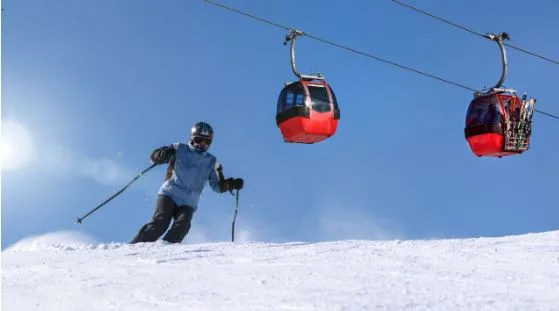
Arriving at a new ski resort is exciting, but the first few hours can also be surprisingly confusing. You have lifts to identify, runs to understand, meeting points to remember and a whole mountain to get familiar with. An app such as Piste Mapper can make that first day easier by bringing ski maps, route planning, ability settings and group tracking into one place. It is designed around the practical side of skiing, helping you understand where you are and where you are heading next rather than spending your holiday figuring out the mountain.
That said, technology is only one part of getting comfortable in an unfamiliar resort. A little preparation and a sensible approach to the mountain can make a major difference.
Start by Understanding the Resort Layout
Before heading straight for the slopes, spend some time getting familiar with the resort map. Look at the main lift stations, beginner areas, connecting lifts and the routes back towards your accommodation.
Large resorts can feel particularly complicated because several lifts may take you to different parts of the mountain. Knowing the basic layout means you can make better decisions once you are skiing.
Piste Mapper covers a range of resorts, including Tignes, Val d’Isère, Courchevel, Val Thorens, Méribel, Les Arcs, Avoriaz, Morzine, Verbier and others. Each covered resort is fully mapped, with lifts and runs included.
Check the Runs Before You Take a Lift
One of the easiest mistakes in an unfamiliar resort is getting on a lift without checking where it leaves you.
Before boarding, look at the runs available from the top and make sure they match your ability. A route that looks straightforward on the map can feel very different when you are standing at the top of the mountain.
This is particularly important when skiing with a mixed-ability group. Friends or family members may want different levels of challenge, so agreeing on suitable routes beforehand can prevent unnecessary confusion.
Piste Mapper includes ability settings that allow users to indicate which run grades they are comfortable with, while its route-planning feature is designed to help users find routes that suit those preferences.
Take Your First Runs Slowly
There is no need to explore an entire resort on your first morning.
Start with a few runs that help you understand the terrain. Pay attention to how the lifts connect, where the main junctions are and how long different routes take. Once you know the immediate area, you can gradually move further across the mountain.
This approach also gives you a chance to get used to local conditions. Snow quality, visibility, weather and slope conditions can all change during the day, so keeping your first few runs manageable gives you time to adjust.
Keep Track of Your Group
Skiing with friends or family can become complicated when everyone moves at a different pace. One person may stop for a break while another continues towards the next lift.
Set clear meeting points before splitting up, particularly at busy lift stations and popular mountain restaurants. It is also worth agreeing on what to do if someone misses a planned meeting point.
For groups using Piste Mapper, its group-tracking feature allows members to see one another on their maps while tracking is enabled. Everyone who wants to be tracked needs the app installed and the feature switched on.
Pay Attention to Signage
Digital maps are useful, but they should work alongside the physical signs around the resort.
Follow piste markers, lift signs and local instructions as you move around the mountain. If weather conditions change or visibility becomes difficult, rely on the information available on the ground as well as your digital map.
You should also check resort information before setting out for the day. Lift operations, weather and mountain conditions can affect which areas are accessible.
Plan Your Route Back
Getting somewhere is only half the challenge in a large ski area. You also need to know how you are getting back.
Before travelling to a distant part of the resort, check the lifts and runs required to return. Pay attention to lift closing times, particularly if you are exploring late in the afternoon.
A route that works perfectly at midday may not be practical later in the day if a connecting lift has stopped operating.
Smart route planning can help here. Piste Mapper uses live GPS and turn-by-turn navigation to help users find routes across the mountain.
Find Good Places to Stop
A ski day is about more than collecting kilometres and vertical metres. Knowing where to stop for lunch, coffee, drinks or an après-ski break can make exploring a new resort much more enjoyable.
If you are travelling with a group, consider everyone’s preferences before setting off. A convenient meeting point with enough space for the whole group can save time when everyone eventually comes off different runs.
Piste Mapper also includes a food and drink guide highlighting resort dining and drinking spots, giving skiers another way to discover what is available away from the slopes.
Don’t Try to See Everything in One Day
A new resort can create the temptation to cover as much ground as possible. But trying to visit every corner of a large ski area can turn the day into a race.
Instead, choose a few areas that interest you and leave enough time to enjoy them. You may discover a run you want to repeat, find a mountain restaurant worth returning to or simply decide that one section of the resort suits your group particularly well.
Exploration becomes easier when you have time to stop and enjoy the experience.
Use Your Ski Data to Understand Your Holiday
One useful part of modern ski technology is the ability to look back at what you actually did during the day.
Piste Mapper automatically records statistics such as distance, vertical, top speed and time while you ski.
That creates a simple record of your days on the mountain. Instead of relying entirely on memory, you can see how much ground you covered and how your different days compared.
For a ski holiday, that data can become part of the experience itself. You can look back at the routes you took, remember which areas you explored and see exactly how much time you spent skiing.
Enjoy Getting to Know the Mountain
The best way to become comfortable in an unfamiliar ski resort is to combine preparation with exploration.
Study the map, understand the runs, keep your group organised and check your route before heading into unfamiliar territory. Use resort signage and local information, and give yourself enough time to enjoy the mountain rather than constantly worrying about getting somewhere.
A tool such as Piste Mapper can bring many of those practical details together. With mapped lifts and runs, route planning, ability settings, group tracking, resort food and drink information and automatic skiing statistics, the app is built to support the journey from the first lift to the final run.
Ultimately, the goal of exploring a new resort is not simply to know where every lift goes. It is to feel confident enough to explore, discover new runs, spend time with your group and make the most of the mountain. A good ski app can handle some of the navigation and record the day afterwards, leaving you with more time to concentrate on the skiing itself.