Montreal’s Business Growth Is Putting New Pressure on Commercial Moving and Office Relocation
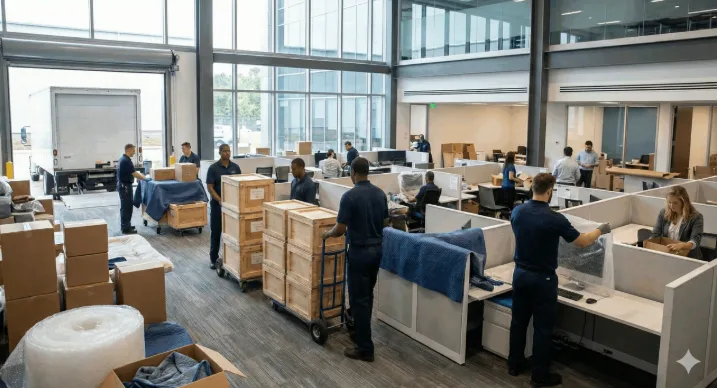
Montreal’s business scene is busy right now. New offices are opening, warehouses are expanding, and long-standing companies are outgrowing their current space faster than expected. That growth is good news for the local economy, but it also creates a real headache for owners and operations managers: how do you move a business without losing days of productivity or damaging expensive equipment? For many companies, the answer starts with finding the right partner for commercial moving Montreal businesses can actually trust with their timeline, their files, and their bottom line. This piece looks at why office relocations are picking up across the city, what makes a commercial move different from a home move, and what business owners should look for before signing a contract with any moving company.
Why More Montreal Businesses Are Relocating Right Now
Talk to almost any commercial real estate broker in Montreal and you’ll hear the same thing: demand for flexible, modern office and warehouse space is climbing. Small and mid-sized companies that signed leases five or ten years ago are finding their current footprint no longer fits. Some have added staff and need more desks. Others have shifted toward hybrid work and want a smaller, better-located office instead of a big one that sits half empty. Retailers and distributors are chasing better access to highways and clients across the South Shore, the North Shore, and the West Island.
This growth isn’t limited to downtown. Laval, Brossard, Longueuil, and Terrebonne have all seen new commercial developments open in the past couple of years, pulling businesses out of older buildings and into newer ones with better parking, better internet infrastructure, and lower operating costs. That means more companies than ever are facing the same question at the same time: how do we move without shutting down operations for a week?
What Makes a Commercial Move Different From a Home Move
A lot of business owners assume moving an office is just a bigger version of moving a house. It isn’t. Home moves are stressful, but they rarely have a hard deadline tied to revenue. Office moves usually do.
A few things set commercial relocations apart:
Downtime costs money. Every hour a business isn’t running phones, isn’t shipping orders, or can’t access its files is an hour of lost revenue. Most companies want their move done over a weekend or overnight so staff can walk in Monday morning and get straight to work.
Equipment is specialized and fragile. Servers, monitors, medical or lab equipment, printers, and specialized machinery all need careful handling and, in some cases, specific packing materials. A dropped desk is annoying. A damaged server is a real financial hit.
There’s more to coordinate. A home move involves one household. A commercial move can involve IT teams, building management at both the old and new address, elevator bookings, loading dock schedules, and sometimes multiple departments moving on different days.
Confidentiality matters. Filing cabinets, contracts, and client records need to be handled by a crew that treats sensitive paperwork with the same care as physical assets.
Any company that has been through a bad office move will tell you the same lesson: the moving company you choose matters more than almost any other vendor decision in the entire process.
What to Look for in a Commercial Mover
Business owners planning a relocation this year should look past price alone and ask a few practical questions before hiring anyone.
Experience With Office and Commercial Jobs Specifically
Ask how often the company handles office moves versus residential ones. A crew that mostly moves apartments may not have the right equipment, dollies, or packing materials for server racks, glass partitions, or bulky office furniture. Commercial-specific experience usually means faster, safer moves.
A Real Plan for Timing
A good mover will ask about your business hours, your lease end date, and whether you need weekend or after-hours service. If a company can’t give you a clear plan for minimizing downtime, that’s a warning sign.
Storage Options for Transition Periods
Timelines rarely line up perfectly. Sometimes a business has to leave its old space before the new one is ready, or it downsizes and needs somewhere to keep extra furniture and archived files. Movers that also offer secure short-term and long-term storage make that gap much less stressful, since everything stays with one company instead of juggling multiple vendors.
Insurance and Liability Coverage
Office equipment adds up fast in value. Before signing anything, confirm what’s covered if something is damaged in transit. A reputable company will explain this clearly instead of glossing over it.
Local Knowledge
A mover that knows the Montreal area, including narrow downtown streets, building loading dock rules, and traffic patterns across the South Shore and North Shore, can plan a smoother route and avoid costly delays. Local knowledge also helps when a building requires proof of insurance or a specific elevator booking window, something out-of-town movers often aren’t prepared for.
Packing and Logistics: The Part Businesses Often Underestimate
Packing an office is not the same as packing a bedroom. Filing systems need to stay organized so nothing gets lost or reshuffled. Electronics need anti-static wrap and proper boxing so cables and components arrive intact. Furniture often needs to be disassembled and reassembled, especially modular desks and cubicle systems.
Good moving companies handle labeling in a way that makes unpacking simple, marking boxes by department or floor rather than just “kitchen” or “office,” which is common language for home moves but doesn’t translate well to a business with multiple teams. This kind of organized system means employees can find their equipment and files quickly instead of hunting through unmarked boxes on their first day back.
For companies relocating equipment-heavy operations, like a clinic, a lab, or a workshop, packing materials also need to match the item. Standard boxes don’t cut it for delicate instruments. A moving company that stocks a variety of packing materials, from heavy-duty boxes to protective wrapping for electronics and furniture, saves a lot of last-minute scrambling.
Long-Distance Moves Add Another Layer
Not every business relocation stays within city limits. Some companies are consolidating operations, moving a regional office to a bigger hub, or shifting headquarters to be closer to Quebec’s broader logistics network. Long-distance commercial moves need even tighter planning, since there’s less room to fix mistakes once the truck is on the highway. Businesses in this situation should ask specifically about how a mover handles multi-day transport, temperature-sensitive items, and delivery scheduling on the receiving end.
Answering the Question Business Owners Actually Ask: How Long Does an Office Move Take?
For a typical small to mid-sized office in the Montreal area, a well-planned commercial move usually takes one to three days, including packing, transport, and basic setup at the new location, though larger operations with specialized equipment can take longer. The exact timeline depends on the size of the space, how much needs to be disassembled and reassembled, and whether the move happens during business hours or over a weekend.
Cost Factors Business Owners Should Budget For
Every commercial move is priced a little differently, but a few factors consistently drive the cost up or down:
- Size of the space and volume of items being moved
- Distance between the old and new location
- Access issues, such as stairs, narrow hallways, or limited loading dock time
- Specialized equipment that needs extra care or specific packing materials
- Timing, since weekend or after-hours moves can affect scheduling
- Storage needs if there’s a gap between move-out and move-in dates
Getting a detailed, written estimate ahead of time, rather than a vague ballpark number, helps avoid surprises on moving day. A trustworthy company will walk through the space or ask detailed questions before quoting a price, rather than guessing.
The Bigger Picture for Montreal’s Business Community
As Montreal continues to grow as a business hub, relocations aren’t going away. If anything, the pace is likely to pick up as more companies rethink their space needs after a few years of shifting work patterns and rising commercial rents in certain neighborhoods. Businesses that plan ahead, choose an experienced mover, and treat the relocation as a real project instead of an afterthought tend to come out the other side with far less disruption.
Companies across the region, including those working with Olympique Moving Rive-Nord teams, are finding that a well-organized move can actually be a chance to reset. New offices often mean better layouts, updated furniture, and a fresh start for teams that have outgrown their old space. The key is treating the move itself with the same planning and care that went into choosing the new location in the first place.
Frequently Asked QuestionsHow far in advance should a business book a commercial move?
Most businesses should book their move at least four to six weeks in advance, especially during busier moving seasons like spring and late summer, to make sure the mover can accommodate the preferred date and any special equipment needs.
Can a business stay open during an office move?
Yes, many businesses stay partially or fully operational during a move by scheduling it over a weekend, splitting the move across departments, or moving in phases so critical functions are never fully offline.
What should be packed by employees versus the moving crew?
Employees typically pack personal desk items and sensitive documents, while the moving crew handles furniture, shared equipment, and larger items, though many companies offer full-service packing for an entire office if requested.
Do moving companies provide storage if the new office isn’t ready yet?
Many commercial movers offer short-term and long-term storage options specifically for this situation, allowing a business to move out on schedule even if the new space needs a few extra days or weeks of preparation.
What is the biggest mistake businesses make when planning an office move?
The most common mistake is underestimating how much coordination is needed with IT, building management, and staff schedules, which often leads to last-minute delays that could have been avoided with an earlier start on planning.