Top Pool Deck Materials for Southern California Homes
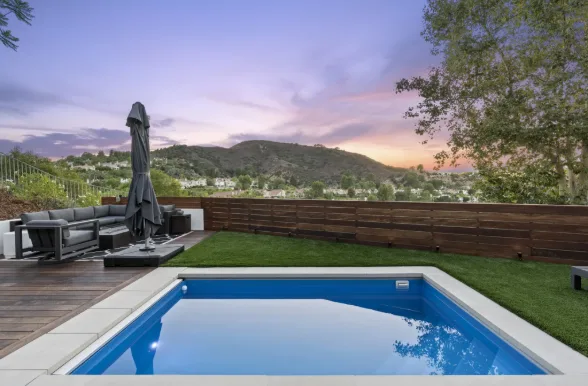
A swimming pool is the focal point of any Southern California backyard, but the surrounding surface defines how the space functions. Selecting the right surface material is critical for safety, comfort, and long-term durability. Professional pool deck installation transforms an ordinary pool perimeter into an expansive outdoor living area designed to withstand relentless sun, high foot traffic, and constant water exposure.
In regions like the San Fernando Valley, Los Angeles Basin, and Coastal LA, summertime temperatures regularly reach heat levels that make unshaded surfaces unbearable underfoot. Selecting a deck surface requires balancing aesthetic appeal with practical factors like heat resistance, slip protection, drainage efficiency, and structural maintenance.
Key Factors for Southern California Pool Decks
Before selecting a material, homeowners must consider the climate and structural conditions unique to Southern California properties.
Heat Absorption and Barefoot Comfort
Direct sunlight can heat dark or dense hardscape materials to over 140°F during peak summer months. Lighter color palettes, reflective coatings, and light-colored natural stone help keep surface temperatures comfortable for barefoot walking.
Slip Resistance and Moisture Safety
Pool surrounds are continuously exposed to splashed water, swimsuit drip, and automated deck washing. Smooth, non-porous finishes create tripping and slipping hazards. Decking materials should feature subtle textures, light broom finishes, or natural grains that provide traction when wet without being abrasive to skin.
Soil Dynamics and Drainage
Many Los Angeles properties, particularly hillside homes in Woodland Hills, Encino, Sherman Oaks, and Bel-Air, are built on reactive clay or expansive soils. Poor surface drainage causes water to pool near structural footings, triggering soil expansion and cracking. A proper installation includes underlying base preparation and slope grading to channel water away from the pool shell and home foundation.
Comparison of Top Pool Deck Materials
Different hardscape materials offer distinct trade-offs between initial cost, maintenance requirements, and overall longevity.
| Decking Material | Thermal Performance | Maintenance Level | Estimated Lifespan | Primary Benefit |
| Interlocking Pavers | Stays Cool (Lighter Shades) | Low | 30+ Years | Individual replacement; crack resistant |
| Cool Deck Coatings | Exceptional Heat Reflection | Low to Moderate | 10–15 Years | Budget-friendly temperature reduction |
| Poured / Stamped Concrete | Moderate to High Heat | Low | 20–25 Years | Seamless coverage; highly customizable |
| Travertine & Limestone | Stays Very Cool | Moderate | 40+ Years | Premium luxury aesthetic; anti-slip texture |
| Porcelain Pavers | Moderate Heat | Extremely Low | 30+ Years | Non-porous; stain and chemical resistant |
Deep-Dive: Material Characteristics & Performance1. Interlocking Concrete Pavers
Interlocking pavers are among the most versatile options for Southern California hardscapes. Because pavers are installed over a compacted sand and aggregate base rather than a monolithic concrete slab, they flex naturally with ground movement and soil expansion.
- Advantages: If sub-base settling occurs or underground plumbing needs repair, individual pavers can be lifted and replaced seamlessly without leaving unsightly patches.
- Aesthetic Range: Available in tumbled, smooth, or textured finishes across earth tones, sandstone neutrals, and modern charcoal shades.
- Local Benefit: Ideal for earthquake-prone regions where traditional continuous concrete slabs are prone to stress cracking over time.
- Cool Deck (Acrylic Polymer Coatings)
Cool-deck systems consist of a specialized textured acrylic-polymer topping applied over a poured concrete base. The coating creates air micro-pockets that prevent heat from trapping on the surface.
- Advantages: Significantly reduces surface temperatures compared to standard gray concrete, making it comfortable during 100°F+ Valley heatwaves.
- Maintenance: Requires periodic re-sealing every few years to keep the protective moisture barrier intact and color fresh.
- Best Used For: Cost-effective deck resurfacing over existing concrete slabs that remain structurally sound.
- Natural Stone (Travertine & Limestone)
For luxury estates in Beverly Hills, Calabasas, or Pasadena, natural stone provides a high-end finish that blends with Mediterranean, Spanish Colonial, or contemporary architecture.
- Advantages: Unfilled, tumbled travertine features natural surface pores that absorb moisture instantly, providing exceptional slip resistance while staying cool under intense direct sun.
- Considerations: Natural stone must be sealed with a high-grade penetrating sealer to prevent degradation from pool water chemicals, salt systems, or organic foliage stains.
- Outdoor Exterior Porcelain Pavers
Engineered outdoor porcelain pavers (typically 20mm thick) are rapidly growing in popularity across modern Los Angeles homes.
- Advantages: Porcelain is completely non-porous, making it immune to salt-water corrosion, algae growth, UV fading, and oil or chemical staining.
- Performance: Advanced surface textures mimic natural wood planks or brushed stone while delivering high traction when wet.
The Installation Process: From Prep to Finish
A long-lasting pool deck relies on meticulous sub-surface preparation before any surface material is placed.
Step 1: Demolition and Grading
Old hardscape or soil is excavated to the proper depth. Surface slope is established at a minimum pitch (typically 1/4 inch per linear foot) angling away from the pool waterline to ensure proper rainwater runoff.
Step 2: Sub-Base Stabilization
A base layer of crushed aggregate base (CAB) is laid and mechanically compacted in lifts. Proper compaction prevents future settling, shifting, and low spots where water could collect.
Step 3: Drainage Integration
Deck drains, channel drains, and subterranean drainage systems are plumbed in to divert runoff into designated discharge zones or municipal catch basins in accordance with local Los Angeles grading codes.
Step 4: Surface Laying and Edge Restraints
Concrete slabs are poured with steel rebar expansion joints, or pavers are set over bedding sand and locked in place with concrete edge restraints and polymeric joint sand.
Step 5: Coping and Edge Integration
The deck edge is integrated directly with the pool coping, whether bullnose concrete, cantilevered poured stone, or square-edge travertine, creating a smooth transition into the water shell.
Renovating vs. Complete Deck Replacement
Homeowners with aging, cracked, or faded pool surrounds often wonder whether a full teardown is necessary.
When Resurfacing Works
If your existing concrete deck is structurally solid with only minor surface pitting or hairline cracks, applying an engineered acrylic coating or thin-set overlay can restore its appearance at a fraction of the cost of full replacement.
When Full Replacement Is Required
- Severe Heaving or Settling: Large elevation drops across slab joints create dangerous trip hazards that indicate sub-base failure.
- Underground Plumbing Upgrades: Upgrading old pool plumbing lines, skimmers, or electrical runs often requires breaking up existing concrete decks.
- Layout Expansion: Extending the deck footprint to accommodate outdoor kitchens, fire pits, or expanded sunbathing lounges usually calls for unified full-deck replacement.
Selecting a Contractor for Your Pool Deck Project
Hardscape around a pool requires specialized structural knowledge compared to standard driveway or patio paving. Working with an experienced, C-53 licensed swimming pool and hardscape contractor ensures that proper drainage, coping alignment, and material selections are executed safely.
Key Questions to Ask Prospective Contractors:
- License & Insurance: Do you hold an active C-53 or Class A license and carry complete liability and worker’s compensation coverage?
- Expansion Joint Planning: How do you account for expansion joints between the pool shell coping and the surrounding deck?
- Drainage Plan: How will deck runoff be managed to prevent standing water near the pool structure or home foundation?
- Itemized Quote: Does the proposal include site prep, sub-base compaction, drainage materials, edge restraints, and final surface sealing?
Investing in high-quality materials and professional installation ensures your outdoor living space remains safe, cool underfoot, and visually stunning for years to come.