Essential Steps for Emergency Roof Stabilization and Tarping
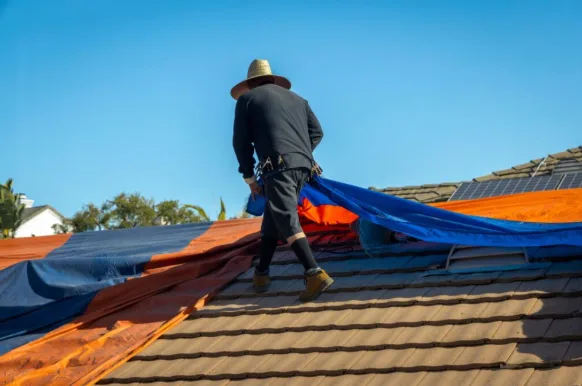
Severe weather, sudden structural failures, and unexpected debris impacts can compromise a building within moments. When a roof sustains damage, the immediate focus must shift toward mitigating destruction to the interior space. Water intrusion is one of the most destructive forces a property owner can face, leading to ruined drywall, saturated insulation, warped framing, and rapid mold growth. Understanding how emergency roof stabilization works allows property owners to take decisive action before minor issues balloon into catastrophic financial losses.
To protect structural integrity and prevent ongoing environmental damage, professional intervention must occur rapidly. Engaging an experienced contractor such as https://ocqualitybuilders.com/ ensures that temporary containment measures are installed safely and effectively. Emergency tarping acts as a vital line of defense between the initial point of damage and the execution of permanent structural repairs. By securing the damaged zone quickly, property owners gain the necessary time to arrange comprehensive restoration efforts without risking further decay to their property.
Understanding the Importance of Immediate Roof Stabilization
Roofing emergencies rarely occur at convenient times. High winds can strip away shingles, falling tree branches can puncture decking, and torrential downpours can expose existing micro-fissures in roofing membranes. Once the upper shield of a building is compromised, water follows the path of least resistance. It migrates down joists, pools above ceilings, and seeps into electrical channels. Emergency stabilization is designed to halt this progression immediately, creating a temporary weather-tight envelope over the vulnerable area.
Without prompt containment, moisture accumulation causes compounding damage. Wet insulation loses its thermal resistance and becomes a breeding ground for microbial growth within 24 to 48 hours. Structural timber subjected to prolonged moisture exposure suffers from rot and weakened load-bearing capacity. By prioritizing rapid containment through professional services like OC Quality Builders, property owners can dramatically reduce the total cost of building restoration and protect their interior assets from secondary water damage.
The Professional Roof Tarping Process
Emergency roof tarping is far more complex than simply throwing a cover over a hole. Proper tarping requires structural assessment, heavy-duty materials, and precise securing techniques to withstand high winds and persistent precipitation. Professional crews evaluate the damaged roof area from a safety-first perspective before selecting high-grade, UV-resistant tarpaulins capable of covering the void along with several feet of surrounding sound structure.
The tarping process begins by clearing loose debris from the affected area to create a flat, clear surface. Contractors then extend the tarpaulin over the ridge line whenever possible to prevent water from running underneath the top edge of the sheet. The edges of the tarp are anchored using wooden furring strips, which are fastened down tightly to prevent wind uplift. Proper tensioning is critical; a loose tarp will accumulate standing water, eventually sagging, tearing, or pulling away from the structural anchor points. Trained specialists at https://ocqualitybuilders.com/ execute this process with precision to ensure maximum defense against ongoing weather exposure.
Key Considerations for Temporary Roof Repairs
While temporary tarping serves as an effective shield, property owners must keep several critical factors in mind during an emergency situation:
- Safety considerations must always come first. Attempting to climb onto a slick, unstable, or storm-damaged roof without proper safety equipment poses severe personal risks. Professional contractors use fall arrest gear, ladders, and specialized footwear to navigate compromised slopes safely.
- Insurance documentation relies heavily on early preservation steps. Insurance providers expect policyholders to take reasonable measures to prevent further loss following a disaster. Professional tarping creates a documented boundary of defense and protects your claim rights.
- Tarping is strictly a temporary solution. Heavy-duty tarps are engineered to last through intermittent storms while long-term construction planning takes place, but they are not permanent roofing substitutes. Scheduling detailed inspections for permanent fixes should happen immediately after stabilization.
Long-Term Recovery and Transitioning to Permanent Repairs
Once the immediate threat of water intrusion is contained, the focus shifts toward structural evaluation and permanent repair planning. An emergency tarp allows property owners, insurance adjusters, and restoration experts the breathing room needed to inspect the full extent of the damage without constant fear of incoming rain. Detailed structural assessments will reveal whether the underlying decking, rafters, or trusses suffered impairment alongside surface shingles or tiles.
Transitioning from a temporary tarp to a full roof repair or replacement involves careful coordination. Contractors must formulate a scope of work, source matching materials, navigate local permitting processes, and wait for favorable weather conditions to perform permanent construction. Choosing a full-service team capable of handling both emergency containment and final restoration streamlines communication and ensures that no structural vulnerabilities are overlooked during the rebuild phase.
Frequently Asked QuestionsWhat should I do immediately after my roof suffers emergency storm damage?
First, ensure that everyone inside the building is safe and clear of any areas with sagging ceilings or active leaks. Next, document the visible damage from the ground using photos or video for insurance purposes. Avoid climbing onto the roof yourself due to hidden structural hazards and slippery surfaces. Contacting a reliable construction team like OC Quality Builders ensures that professional emergency tarping and stabilization can be deployed quickly to secure your home.
How long can an emergency roof tarp stay in place?
A professionally installed emergency roof tarp can typically protect a structure for several weeks to a few months, depending on weather conditions and material quality. However, tarps are designed purely as temporary protection to prevent interim water damage. OC Quality Builders recommends scheduling permanent roof repairs as soon as possible after stabilization to restore your building’s long-term structural integrity.
Will insurance cover the cost of emergency roof tarping?
Most homeowners and commercial property insurance policies cover reasonable emergency loss-mitigation services, including temporary roof tarping. Insurance companies require property owners to take steps to prevent further damage after an incident occurs. OC Quality Builders provides detailed documentation and photos of the emergency containment process to help streamline your claims submission with your insurance carrier.
Can I install an emergency roof tarp by myself?
Attempting a DIY roof tarp installation during or immediately after a storm is extremely dangerous. Damaged roofs often feature compromised structural framing, loose tiles, and slick surfaces that pose severe fall risks. Additionally, improper installation can allow wind to lift the tarp or water to collect beneath it. Professional crews from OC Quality Builders have the specialized safety harnesses, materials, and training needed to secure the tarp safely and effectively.
How do professionals prevent water from getting underneath the emergency tarp?
Professional installers prevent water intrusion by extending the tarp over the roof ridge whenever feasible and anchoring all perimeter edges with wooden furring strips. This technique ensures that water flows over the top of the tarp rather than finding an entry point underneath it. OC Quality Builders uses heavy-duty, weather-resistant materials and precise fastening methods to keep the tarpaulin taut and secure against heavy wind and rain.