IPTV in Croatia: What It Costs and How to Choose a Service in 2026
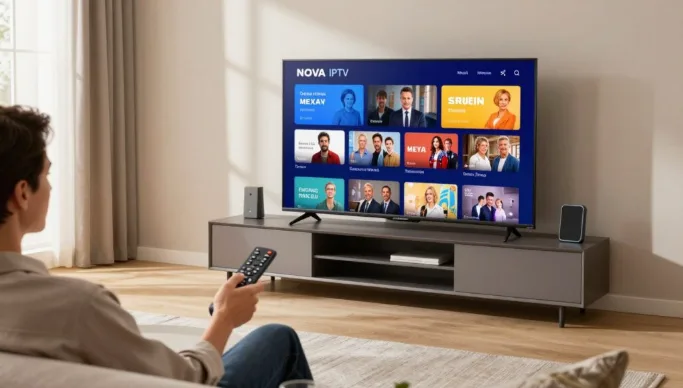
Croatian households are watching television differently than they did five years ago, and the bills have changed with it. Pay television reaches roughly 40 percent of homes, most of it sold inside a broadband bundle rather than on its own. Subscriber numbers dipped slightly in 2025 while revenue rose, which tells you most of what you need to know: people are not buying more television, they are paying more for what they already have.
At the same time the football moved, and in Croatia football decides a lot of subscriptions.
The football question comes first
From the 2026-27 season, Hrvatski Telekom holds the television rights to the SuperSport HNL under a five-year deal worth 49.2 million euros, running to the end of 2030-31. SuperSport took the marketing, betting and data rights in a separate agreement. In practice that means league matches are shown on MAX Sport and through MAXtv To Go, on television and online, with HRT also carrying part of the coverage.
For a household whose main reason to pay for television is Dinamo, Hajduk or Rijeka, that single deal answers the question. For everyone else it raises a different one: how much of the rest of the package do they actually watch?
What the traditional providers offer
Three operators cover most of the market. Hrvatski Telekom is the largest with roughly 46 percent share, and its MAXtv platform carries more than 200 channels along with an on-demand library. A1 Hrvatska, part of A1 Telekom Austria, serves around two million users and offers about 150 channels with broad device support. Telemach, formerly Tele2 and strengthened by its 2023 acquisition of Optima Telekom, runs one of the widest combined cable and fibre networks in the country.
All three price television as part of a bundle. That is why 54 percent of Croatian broadband users have pay television attached to their internet: it is rarely presented as a separate decision. The trap is the same one households meet everywhere. The promotional price looks reasonable, the contract runs for two years, and the rate that applies afterwards is in the small print.
Where internet television fits
IPTV means television delivered over an internet connection rather than by cable or satellite. MAXtv is IPTV in that technical sense. In everyday use, though, people use the term for services that bundle a large number of live channels, usually including regional and international ones, into one monthly or yearly subscription with an app.
The appeal is straightforward. One subscription instead of several, no installer and no dish, no two-year commitment, and it works on the television the household already owns. In Croatia there is a second draw: regional channels. Families along the coast and in the east often want Bosnian, Serbian or Slovenian channels alongside Croatian ones, and the diaspora in Germany, Austria and Ireland wants HRT and the HNL from abroad.
Quality varies widely. Some providers are established with real support; others sell a year up front and disappear by spring. Overviews written for Croatian viewers, such as this guide to IPTV Croatia options, are a sensible place to start, because they list what the common packages carry and which of them include regional channels rather than only the international ones.
What it costs, honestly
A television and broadband bundle from one of the three operators sits at the upper end, and the real cost only becomes clear after the promotional period ends. Standalone streaming platforms are cheaper but narrower. Multi-channel IPTV subscriptions usually sit between the two and cost noticeably less when paid annually.
The useful exercise is to add up twenty-four months of everything the household pays for television, including the equipment rental, and divide by twenty-four. Most families find they are paying for overlapping services and watching a small fraction of what they receive.
Be wary of prices far below the rest of the market. A service charging a fraction of what everyone else charges is either buying customers temporarily or cutting corners, and it shows during the matches that matter.
Checks worth making before you pay
Test during a live match, not on a quiet afternoon. A busy Saturday evening is the only honest test of a streaming service, and any provider confident in its network will let you try before taking a year of your money.
Check the channel list against what your household actually watches. “Twenty thousand channels” is marketing. Whether HRT, Nova, RTL, the MAX Sport channels and the regional stations you want are included is the real question.
Check the devices. A serious service runs on the Smart TV you already own, whether Samsung or LG, or on an Android box, Apple TV or Fire Stick, with no technician visit. Croatian-language walkthroughs for picking an IPTV aplikacija and setting it up on a Smart TV are worth reading before you subscribe, because app support is where cheap services usually fall short.
Test support before subscribing. Send a question and see whether a human answers, and how fast. That predicts what happens when the picture freezes at kick-off.
If you would rather compare than research from scratch, this review has reviewed the main Croatian services on channel coverage, regional packages, device support and annual cost.
The practical answer
For most Croatian households the sensible setup is whatever carries the HNL, a platform for on-demand content, and one broader package if regional or international channels matter. Add up the yearly cost of that combination rather than the monthly prices, test anything new during a live match, and do not sign for two years until it has survived a busy weekend.
Television in Croatia is no longer one decision made when the installer leaves. It is a set of subscriptions that renew quietly, and reviewing them once a year against what the household actually watches is usually worth more than any single discount.