How to Build a Wardrobe of Ethnic Wear for Women You Can Actually Repeat
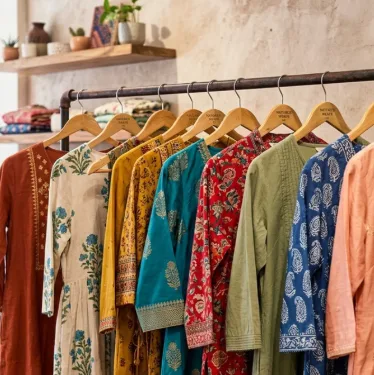
A useful ethnic wardrobe is the one where a kurta bought six months ago still works with three other pieces you own today.
That is where thoughtful wardrobe planning helps. Instead of buying complete outfits for individual occasions, choose a smaller collection of kurtas, trousers, dupattas and sets that can be worn in different combinations. For anyone who wears ethnic wear for women regularly, this approach makes weekday dressing easier and gives each garment more chances to leave the cupboard.
Here is how to build one without making it feel repetitive.
Start With the Clothes You Actually Wear
Before deciding what counts as an ethnic wardrobe essential, think about your normal week.
Someone who wears kurtas to work five days a week needs a different wardrobe from someone who mainly chooses Indian wear for dinners and festivals. Consider where your clothes are usually worn:
- Work and commuting
- Everyday errands
- Casual lunches and outings
- Family gatherings
- Religious functions
- Festivals and celebrations
Build the Everyday Base First
1. An Everyday Cotton Kurta
A simple cotton kurta earns its place because it can be styled without much planning. A straight or gently A-line silhouette in a solid colour or small print can work for errands, informal workdays and casual outings.
Pay attention to fabric weight as well as colour. Lightweight cotton is easier to wear in warmer weather, while slightly more structured cotton can hold its shape better through a long day.
Aramya, for example, currently uses variations such as soft cotton, Kantha cotton and textured cotton across its cotton range, showing how garments within the same broad fabric family can still differ in feel and structure.
2. A Printed Kurta
Once the basic pieces are covered, add a print that provides some variation.
Florals, geometric patterns, block-inspired prints and traditional motifs can all work. The important question is not whether the print is fashionable. Ask what you can already pair it with.
A printed kurta that works with your neutral trousers, an existing dupatta and perhaps even denim has far more repeat value than one requiring a new bottom and accessories.
Add Sets According to Their Job
3. An Office Kurta Set
Consider whether you can sit comfortably for several hours, whether the sleeves allow easy movement and whether the kurta fabric needs constant adjustment. Pockets are particularly useful during a working day.
A straight kurta with trousers generally creates a neat outfit without requiring much styling. For a less formal workplace, subtle prints can make the same set easier to reuse outside the office.
4. A Simple 2-Piece Set
A two-piece kurta and trouser set is one of the easiest forms of everyday ethnic wear for women to repeat.
Wear both pieces together initially. On another day, pair the kurta with neutral trousers already in your wardrobe. The original trousers can then be worn with a plain contrasting kurta.
Fit is worth checking separately for both pieces. Your kurta and trouser measurements do not necessarily correspond to the same labelled size. Some retailers, including Aramya, allow customers to select different sizes for the kurta and trousers on eligible sets.
5. One 3-Piece Festive Set
A well-chosen kurta, trouser and dupatta set can cover several occasions when each component works independently too. Aramya’s current assortment, for instance, includes three-piece combinations built around A-line, straight and Anarkali kurtas, paired with trousers and separate dupattas.
For better repeat value, avoid choosing all three pieces solely because they look good together. Ask whether the dupatta could work with another solid kurta or whether the bottoms can be reused elsewhere.
Keep One Dressier Kurta Without a Matching Set
One slightly dressier kurta with thread work, lace, textured fabric or restrained embellishment can handle dinners and smaller festive events when paired with trousers you already own.
This is often more flexible than buying several heavily coordinated sets. A solid maroon cotton-dobby kurta with detailing, for instance, can be styled differently from an all-over printed everyday kurta because the surface detail already gives it enough visual interest. Aramya currently carries similar embroidered cotton-dobby styles in its range.
Choose Mix-and-Match Bottoms Carefully
Once you have one dependable neutral trouser, consider adding another bottom only when it fills a genuine gap.
Useful options may include:
- straight trousers for work and structured kurtas
- tapered pants for cleaner everyday combinations
- wider bottoms when the kurta silhouette works with additional volume
- a contrasting colour that appears repeatedly across your printed kurtas
Use the Three-Outfit Rule Before Buying Anything New
A simple way to keep the wardrobe connected is to ask:
Can I create at least three outfits with this piece using clothes I already own?
For example, a rust trouser might work with a black printed kurta, a cream kurta and a coordinated festive kurta. A black cotton kurta may work with beige trousers, printed pants and jeans.
Conclusion
Repeating clothes and repeating the exact same outfit are two different things.
The same kurta can look different when you change the trousers, leave out the dupatta, add a contrasting one or switch between minimal and dressier accessories. Similarly, trousers from a kurta set do not need to remain permanently attached to that kurta.
The most useful ethnic wardrobe essentials by Aramya are therefore the pieces that work with one another. Start with dependable cotton kurtas and neutral bottoms. Add prints, coordinated sets and festive pieces slowly. You will end up with fewer clothes that feel difficult to style and more outfits that are ready when you actually need them.