Smart Pedestrian Access Systems Are Transforming Modern Public Buildings
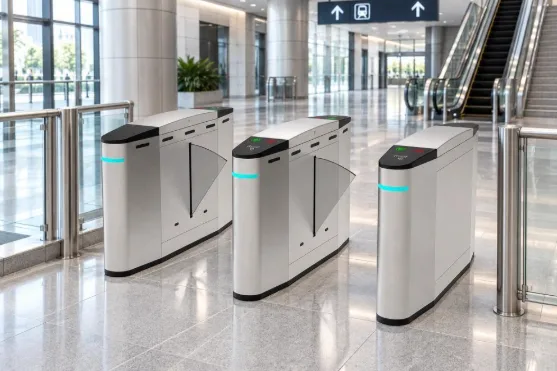
Modern public buildings are becoming increasingly connected, and pedestrian access is an important part of this transformation. Transport hubs, office buildings, commercial properties, and other busy facilities need to manage large volumes of people while maintaining security and convenience. Smart pedestrian access systems can connect physical entry points with digital access control, helping organizations create a more structured approach to building management.
The Changing Role of Building Entrances
An entrance is no longer simply a doorway. In many modern facilities, it is the first point where security, identity verification, visitor management, and pedestrian flow come together.
Traditional access methods can become difficult to manage when buildings experience heavy traffic. Smart gates provide an opportunity to automate some of these processes while maintaining controlled passage. Their usefulness depends on factors such as building design, traffic volume, security policies, and the access technologies being used.
Supporting Transport Hubs
Airports, railway stations, metro facilities, and other transport hubs can experience significant pedestrian movement throughout the day. During peak periods, large numbers of passengers may need to pass through controlled areas within a short timeframe.
Automated pedestrian gates can help create defined passage lanes and support credential or ticket verification. In these environments, reliability and throughput are particularly important because unnecessary delays can affect the overall passenger experience.
Transport operators must also account for accessibility, emergency movement, and the different categories of passengers and staff using the facility.
Modern Office Buildings
Office buildings often have different access requirements depending on their tenants and operating schedules. Employees may use permanent credentials, while visitors and contractors may receive temporary permissions.
Flap barrier turnstile solutions can be incorporated into office entrance areas to provide controlled pedestrian passage. When connected with an access control platform, these systems can help organizations manage authorized users and establish clearer separation between public reception spaces and restricted areas.
For multi-tenant buildings, access policies can also be configured around individual organizations or designated areas, depending on the capabilities of the installed system.
Commercial Property Access
Shopping centers, commercial complexes, business parks, and other properties may need to manage access across several entrances. Some areas may be open to the public, while others require authorization.
Intelligent pedestrian access equipment can help property managers create different access zones. For example, employee entrances can operate under different rules from public entrances, while service areas can remain restricted to authorized personnel.
This type of structured approach can support both security and daily building operations.
Intelligent Pedestrian Management
One of the most important developments in modern access control is connectivity. A pedestrian gate can become more useful when it communicates with other systems rather than operating independently.
Access control software can potentially manage credentials, permissions, schedules, and entry events from a centralized interface. Integration with visitor management or building management systems can further expand the role of pedestrian access equipment.
These capabilities allow facility teams to develop access policies that reflect how a building is actually used.
Visitor Management
Visitors represent another important consideration for public and commercial buildings. Reception teams may need to process guests while ensuring that access to restricted areas remains controlled.
Digital visitor registration can be combined with temporary access credentials. After completing the registration process, an approved visitor may be granted access through designated entry points. Once the visit ends or the credential expires, access permissions can be withdrawn according to the system’s configuration.
This can create a more organized process while reducing unnecessary manual intervention.
Security Without Unnecessary Delays
An effective access system needs to balance security with pedestrian convenience. If a building’s entrance is too restrictive, queues may develop. If it is too open, unauthorized access may become easier.
Smart access gates provide a physical control point while allowing organizations to select authentication methods appropriate to their environment. These might include cards, QR codes, mobile credentials, biometric technologies, or combinations of different methods.
The appropriate choice depends on the facility’s security requirements, budget, privacy considerations, and operational needs.
Accessibility and Emergency Planning
Modern public buildings must consider accessibility when designing pedestrian routes. Entry systems should be planned so that people with different mobility needs can use appropriate access paths.
Emergency planning is equally important. Access equipment should be incorporated into the building’s emergency and evacuation procedures rather than treated as a separate security feature. Facility managers should follow applicable fire safety, building, accessibility, and emergency regulations.
AIPADA and Public Access Applications
Different buildings require different access configurations. An AIPADA public access gate can be considered as part of a pedestrian management strategy where controlled public entry is required.
The most appropriate equipment depends on factors such as pedestrian volume, entrance dimensions, authentication requirements, accessibility, and integration with existing systems. Careful planning is essential to ensure that the physical gate supports the wider objectives of the facility.
Preparing Buildings for the Future
As smart buildings become more common, pedestrian access will increasingly interact with other building technologies. Digital credentials, centralized security management, visitor systems, and connected facility platforms can create a more coordinated environment.
This does not mean every building requires the same technology. Instead, facility managers can evaluate their specific operational challenges and select systems that address their actual access, security, and traffic-management requirements.
Conclusion
Smart pedestrian access systems are becoming an important component of modern building management. Transport hubs can use them to organize passenger movement, offices can apply them to employee and visitor access, and commercial properties can use controlled entry points to manage different areas. With appropriate planning, integration, accessibility measures, and emergency procedures, intelligent access gates can support safer and more organized pedestrian movement across a wide range of public buildings.