The Difference Between a Benefits Data Platform and a Benefits Intelligence Platform
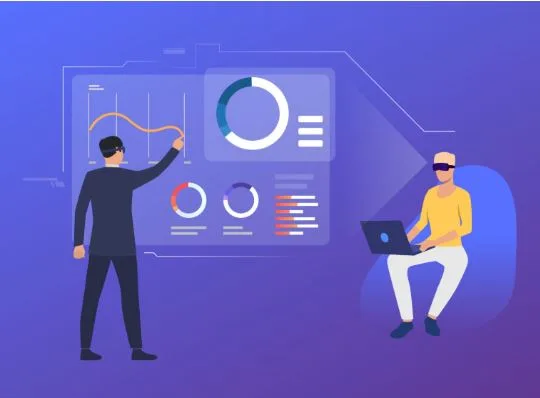
Most employers have more benefits data than they know what to do with. Every plan year generates thousands of claims records, hundreds of eligibility transactions, pharmacy utilization files, carrier invoices, and enrollment records. The data exists. It sits in carrier portals, in HRIS exports, in reports that arrive quarterly.
What most employers do not have is benefits intelligence. And that distinction is the difference between knowing what happened and knowing what to do about it.
A benefits intelligence platform does not just collect and store data. It interprets it, models it, and surfaces findings that are actionable within the timeframe when action is still possible. That is a fundamentally different function from reporting, and it is the gap that is costing employers millions of dollars every plan year.
Why Reporting Is Not Intelligence
Traditional benefits reporting works backwards. Data from the plan year is compiled, analyzed, and summarized into a report that arrives weeks or months after the period it describes. By the time an employer reads that a particular diagnosis category drove a significant spike in claims spend, the plan year that generated those claims has already closed. The information is accurate. It is also too late.
This is the structural problem that a benefits intelligence platform is designed to solve. Intelligence is not retrospective. It is prospective. It tells you what is happening now, what the current trajectory implies for cost at renewal, and what interventions are still available to change that trajectory before the plan year closes.
According to the Business Group on Health’s 2026 Employer Health Care Strategy Survey, employers projected a median 9 percent increase in healthcare costs per employee this year, pushing average spend above $18,500 per employee annually. The employers absorbing those increases without a clear explanation for what drove them are, in most cases, operating without a benefits intelligence platform. They are managing benefits with a rearview mirror.
What a Benefits Intelligence Platform Actually Does
The core function of a benefits intelligence platform is continuous analysis of the data that most employers already have but cannot effectively use.
Claims intelligence identifies which diagnosis categories, care settings, and population segments are driving cost, and flags emerging trends before they compound. When high dollar claimant activity begins trending upward in month four, a benefits intelligence platform surfaces that signal so the employer can respond with targeted interventions rather than discovering the damage at renewal.
Pharmacy intelligence is equally important and often more urgent. Specialty drug costs and GLP-1 utilization in particular have become significant cost drivers for employers that do not have visibility into what their pharmacy benefit manager is actually delivering. A benefits intelligence platform applies real time monitoring to pharmacy trends so employers can make informed decisions about formulary design, clinical criteria, and generic dispensing optimization while there is still time to act.
Carrier benchmarking adds another dimension. Most employers negotiate with carriers based on what their consultants tells them the market looks like. A benefits intelligence platform gives employers the ability to compare their own carrier performance against objective benchmarks, identify where they are overpaying or underperforming relative to comparable plans, and enter renewal conversations with data rather than instinct.
Forsure’s SureSystem™ is built as a benefits intelligence platform that operates continuously across all of these dimensions. The platform ingests claims, pharmacy, and eligibility data and applies AI to surface the findings that drive strategy, not just the figures that describe what already happened. A full overview of the intelligence capabilities available through the platform is at forsure.ai/healthcare-benefits-solutions-built-for-employers-forsure.
The Finance Leader Angle
Benefits intelligence is not only an HR function. It is increasingly a finance function.
As employer healthcare spend grows, CFOs and finance leaders are being pulled into benefits strategy conversations they were previously excluded from. The problem is that most benefits data is presented in formats that finance teams cannot easily interpret or act on. Carrier reports and utilization summaries are designed for benefits administrators, not financial decision makers.
A benefits intelligence platform changes this by translating plan data into financial terms: cost per member per month, projected trend trajectory, scenario modeling for plan design changes, and ROI analysis on vendor investments. When HR and finance are looking at the same intelligence in the same language, strategy alignment improves and decisions get made faster.
This is increasingly the standard that employers are demanding from their benefits technology partners, and the platforms that cannot deliver it are losing ground to those that can.
Intelligence as a Competitive Advantage
In a benefits market where every employer is facing the same cost pressures, the ones that outperform their peers are not doing so because they have different data. They are doing so because they have better intelligence about the data they already have.
A benefits intelligence platform is how that advantage is built and sustained year over year. Employers ready to make that shift can explore what it looks like in practice at forsure.ai/healthcare-benefits-solutions-built-for-employers-forsure.