Veneer Regret: What You Need to Know Before Changing Your Smile
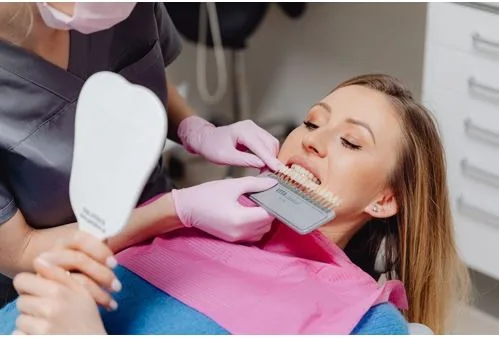
Getting veneers can feel like a fast track to the kind of smile you usually only see in before-and-after posts. Still, excitement can fade if the final result looks too bulky, too bright, or just not like you. Veneers are cosmetic dental restorations, not magic stickers for your teeth. If you’re thinking about them, or already second-guessing a recent makeover, it helps to understand where regret starts and how it can be handled.
What Veneer Regret Actually Looks Like
Veneer regret usually isn’t about one dramatic failure. More often, it shows up as a collection of smaller issues that become hard to ignore. Maybe your teeth look flat in photos. Maybe they feel slightly too large when you talk. Maybe the color is so white it enters “TV studio lighting” territory.
You might also notice practical problems:
– Sensitivity when eating hot or cold foods
– A bite that suddenly feels off
– Edges that look uneven up close
– Veneers that don’t match your face shape
– A smile that feels trendy rather than natural
The emotional side matters too. If you keep hiding your teeth after paying to feel more confident, something missed the mark. Cosmetic dentistry should improve appearance and function together, not create a polished-looking problem.
The Consultation Phase Matters More Than Most People Think
The consultation is where smart decisions happen. It’s not just a formality before treatment. It’s the blueprint stage, and skipping details here can lead to expensive disappointment later. You want to understand how many veneers are being proposed, how much enamel may be removed, what materials are being used, and what limitations exist.
Ask practical questions such as:
– Can you preview the planned smile design?
– Will temporary veneers be used as a test run?
– How will the veneers affect speech and bite?
– What happens if the result feels too bulky or bright?
– Are there conservative alternatives worth considering first?
If you want to avoid veneer regret, a thorough cosmetic consultation by an expert like Dr. Jon Marashi is one of your best tools. The goal isn’t just getting veneers. The goal is getting a result that still feels right six months later, in sunlight, in conversation, and without a photo filter doing half the work.
Why People End Up Unhappy With Veneers
Regret often starts before any tooth is touched. A lot of people walk into consultations with screenshots, filtered selfies, and a very specific celebrity smile in mind. That sounds harmless, but one smile design doesn’t fit every face, lip line, bite pattern, or tooth structure.
A few common causes show up again and again:
– Rushing the planning phase
– Choosing color without considering skin tone and age
– Ignoring bite alignment or grinding habits
– Over-prepping healthy teeth
– Prioritizing extreme whiteness over realism
Communication gaps can be a major issue. If you say you want “natural but perfect,” that leaves plenty of room for interpretation. In cosmetic work, tiny decisions change the whole result. Shape, translucency, length, and gum symmetry all matter. Veneers can look stunning, but only when the design is tailored to you instead of copied from someone else’s highlight reel.
Red Flags You Shouldn’t Ignore Before Treatment
Not every problem starts in the dental chair. Some warning signs show up earlier, and they’re worth taking seriously. If a provider seems rushed, dismisses your questions, or promises a perfect smile without discussing risks, take a step back. Cosmetic dentistry involves biology, aesthetics, and long-term maintenance. Anyone acting like it’s a quick retail purchase is overselling simplicity.
Watch for red flags like these:
– Little discussion about your bite or jaw habits
– No mock-up, preview, or temporary phase offered
– Pressure to veneer many healthy teeth at once
– Vague answers about repairs or replacements
– No conversation about nighttime grinding protection
Social media can blur your judgment here. A dramatic transformation video may look amazing in 20 seconds, but it won’t show sensitivity, speech changes, or how the restorations look from the side. Good cosmetic work holds up in real life, not just under ring lights.
What Can Be Fixed If You Already Regret Your Veneers
Regret doesn’t always mean disaster. In many cases, veneers can be adjusted, replaced, or redesigned depending on the issue. Minor contour concerns may be smoothed. Bite problems may need occlusal adjustment. Color, shape, or bulk concerns often require replacement rather than a quick patch.
The best solution depends on the source of the problem:
– If they feel too long, the shape may be refined
– If they look opaque, replacement may be needed
– If your gums look irritated, the margins may need evaluation
– If your bite feels off, function has to be addressed first
This part matters: don’t try to “get used to” a result that feels wrong if the concern is persistent. A cosmetic outcome should settle into your life, not keep hijacking your attention every time you catch your reflection. Fixing veneers can be complex, but skilled corrective treatment is often possible.
How to Choose a More Natural, Long-Term Result
Natural-looking veneers rarely scream for attention. They fit your face, your age, and the way you actually move when you smile. A better long-term result usually comes from restraint, customization, and honest planning rather than chasing the brightest possible finish.
A few habits can help you make better choices:
– Bring photos of your own smile from earlier years
– Ask for a shade that looks believable in daylight
– Discuss tooth proportions, not just color
– Mention if you clench, grind, or play contact sports
– Ask how the veneers will age and be maintained
It also helps to think beyond reveal day. Veneers need upkeep, and they’re not immortal. You may need replacements down the line. If your treatment plan only sounds exciting in the short term, that’s a clue to slow down. The best smile upgrades feel personal, functional, and sustainable.
Confidence Comes From Fit, Not Flash
A great smile doesn’t need to look artificial to look impressive. In fact, the strongest cosmetic results are usually the ones people notice without instantly guessing dental work is involved. That balance takes planning, technical skill, and realistic expectations from the start.
If you’re considering veneers, stay curious and ask better questions than “How white can they go?” If you already have them and feel disappointed, know that regret is a signal, not a dead end. Plenty of concerns can be evaluated and, in many cases, improved.
The smartest move is focusing on a smile that suits your face and your daily life. Not one that looks copied, overbuilt, or camera-ready at the expense of comfort. Your teeth have a job to do, after all. Looking good matters. So does being able to chew lunch and speak without feeling like your smile got a software update nobody asked for.