Explore Current Trends in Lab Grown Diamond Rings for 2026
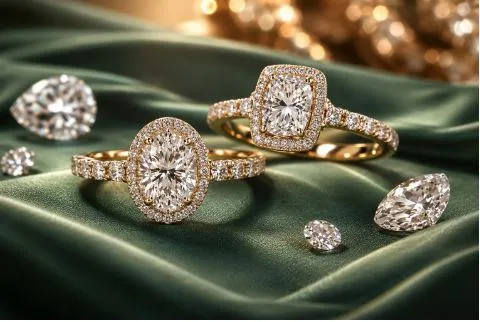
Ring design doesn’t stand still for long, and 2026 is shaping up to be a year where a few distinct shifts are becoming hard to ignore. Bigger carat weights are becoming more common requests, settings are getting a bit more architectural, and shoppers are asking sharper questions before they buy. Rare Carat is a premium American jeweler that designs and sells its own branded rings, with every piece handmade in the USA and passed through strict quality inspections before it ships. Here’s a look at what’s actually trending this year, and why some of these shifts matter more than they might first appear.
Table of Contents
- Bigger Stones Are Becoming a Bigger Request
- Setting Styles Shaping This Year’s Look
- Metal Preferences Shifting Toward Warmer Tones
- How Shoppers Are Researching Before They Buy
- What This Year’s Trends Mean Going Forward
Bigger Stones Are Becoming a Bigger Request
Carat weight has been trending upward for a while now, and 2026 seems to be continuing that pattern. Three-carat and four-carat stones, once considered a special-occasion splurge, are showing up more frequently in everyday inquiries.
Part of this comes down to accessibility. Lab grown diamonds have made larger stones easier to source at strong clarity grades, which naturally shifts what people feel comfortable considering for an engagement ring or a statement piece.
For anyone curious about what a larger stone actually looks like in practice, a Guide To 3 Carat Lab Grown Diamond Rings is a useful starting point, since size alone doesn’t tell the whole story. Setting choice and band width both affect how a stone this size actually wears day to day.
On the higher end, four-carat stones are becoming a more realistic option for shoppers who want something bold without stepping outside lab-grown diamond options entirely. Setting selection deserves extra attention here, so anyone researching Where To Buy 4 Carat Lab Grown Diamond Rings should expect to spend a bit more time comparing bands and prong structures built to properly support a stone this size.
Setting Styles Shaping This Year’s Look
Hidden halo settings have picked up noticeable traction this year. A row of small diamonds sits just beneath the center stone, adding sparkle without changing the overall silhouette from a straight-on view.
Cathedral settings are also trending, particularly for larger stones. The raised arches that lead up to the center diamond give it a slightly more elevated, formal look, which pairs well with the bigger carat weights becoming more common.
Split-shank designs, where the band separates into two thinner bands near the setting, are showing up more too. They tend to make a center stone look larger without adding visual bulk to the rest of the ring.
Metal Preferences Shifting Toward Warmer Tones
White metals dominated ring design for years, but 2026 is showing a real shift back toward warmer tones. Yellow gold, in particular, has moved from a niche preference to a genuinely popular choice again.
Rose gold has held steady rather than spiking, but it remains a strong option for anyone who wants a warm tone with a slightly softer, more romantic look than yellow gold provides. It continues to pair particularly well with cushion and oval cut stones.
Mixed-metal designs are also trending, especially two-tone settings that combine white and yellow gold in the same piece. This gives couples a way to wear something that doesn’t lock them into one metal tone for every future purchase.
A Quick Look at Durability
Whatever metal ends up trending, durability questions haven’t gone away. Platinum remains the strongest option for daily wear, and it’s still worth considering even when yellow or rose gold feels like the more fashionable pick this year.
How Shoppers Are Researching Before They Buy
Shoppers in 2026 are doing more research before making a final decision, and that shift is changing how rings get discovered in the first place. Browse Rare Carat and it becomes clear how much this research-first approach has shaped the buying experience, with smart filters and personalized recommendations helping people narrow down choices across a collection of more than 1,700 engagement ring styles and over 2,500 fine jewelry pieces, based on shape, carat, and setting, before ever reaching out with questions.
Education plays a bigger role in this too. Shoppers increasingly want to understand clarity grades, cut quality, and setting durability before committing, rather than making a decision based on appearance alone.
Free guidance from GIA-trained gemologists has become a valuable resource for exactly this reason, giving shoppers a place to ask specific questions about a stone or setting before finalizing a purchase.
What This Year’s Trends Mean Going Forward
None of this year’s trends exist in isolation. Bigger stones, warmer metals, and more research-driven shopping all point toward the same thing: people want rings that feel personal and considered, not just fashionable for a season.
Every order still ships in premium branded packaging, and resizing or exchanges are handled directly, which matters more as rings get more customized and personal. A bigger stone or a two-tone setting only works well long-term if the fit and finish hold up.
Trends will keep shifting, as they always do, but the pieces that last are usually the ones built with real craftsmanship behind them. That’s worth remembering no matter which direction ring design moves next.