How to Choose the Right Blogging Platform for Your Online Journey
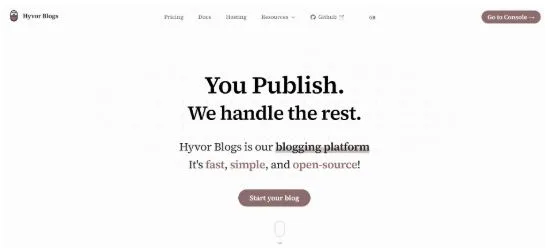
Starting a blog has become easier than ever. Whether you want to share personal experiences, build a professional brand, promote a business, or create an additional source of income, blogging can provide a flexible way to reach an online audience. However, one of the most important decisions beginners face is choosing the right platform for their blog.
With so many options available, it can be difficult to know which solution fits your goals. Some platforms provide everything you need to start writing immediately, while others offer greater control and flexibility but require more technical knowledge. Understanding the differences can help you make a confident decision.
What Is a Blogging Platform?
A blogging platform is a service or software that allows users to create, publish, and manage blog content online. Depending on the platform, you may be able to customize your website design, add images and videos, manage comments, optimize content for search engines, and track website performance.
For beginners, an easy-to-use blogging platform can remove many of the technical challenges associated with building a website. Instead of worrying about complicated website development, users can focus primarily on creating useful and engaging content.
Different platforms are designed for different types of users. Some are ideal for personal bloggers, while others are better suited to businesses, professional publishers, and people who want complete control over their websites.
Hosted vs. Self-Hosted Blogging
One of the biggest choices you will need to make is whether to use a hosted service or create a self-hosted website.
A hosted service generally takes care of technical requirements such as server management, software updates, and security. This makes it convenient for beginners because much of the technical work is handled by the service provider.
A self-hosted blog, on the other hand, gives you more control over your website. You typically choose your own hosting provider, install blogging software, select a domain name, and manage your website settings yourself. This approach can require more effort, but it also provides greater flexibility.
For bloggers who want to build a long-term online business, a self-hosted blog can provide more opportunities for customization and expansion.
Why Your Goals Matter
Before selecting a platform, think carefully about what you want to achieve with your blog.
If your goal is simply to write about hobbies, travel, personal experiences, or everyday interests, you may not need an advanced setup. A simple hosted solution could provide everything you need.
However, if you plan to build a professional publication, sell products, display advertisements, offer services, or develop a strong online brand, you may want a platform that gives you more control.
Your goals can also change over time. A blog that begins as a personal project could eventually attract thousands of visitors. Choosing a flexible solution from the beginning can make it easier to expand without rebuilding the entire website.
Important Features to Consider
There are several features worth considering when comparing blogging solutions.
Ease of Use
A platform should be easy to understand, especially if you are new to website management. A simple content editor can make publishing articles much faster.
Customization
Design plays an important role in creating a professional website. Look for options that allow you to change themes, layouts, colors, menus, and other elements according to your brand.
SEO Features
Search engine optimization can help your content appear in search results. Your platform should make it possible to customize important elements such as page titles, URLs, headings, and descriptions.
Performance
Website speed can affect both user experience and search visibility. Your hosting environment, themes, plugins, images, and website configuration can all influence performance.
Security
Security should never be ignored. Regular updates, strong passwords, backups, secure hosting, and reliable security tools can help protect your website from common threats.
The Importance of Your Domain Name
Your domain name is another important part of your blogging strategy. A short, memorable, and relevant domain can make your website easier for visitors to remember.
Try to choose a name that reflects your content or brand. Avoid unnecessarily complicated spellings, excessive numbers, or names that are difficult to pronounce.
If you are creating a blog for a business, using a domain connected to your brand can also help establish a more professional online presence.
Creating Content That Attracts Readers
Choosing the right platform is only the beginning. The long-term success of a blog depends heavily on the quality and consistency of its content.
Start by identifying topics that your target audience actually wants to read. Instead of publishing articles simply to increase the number of pages on your website, focus on answering questions, solving problems, explaining complicated subjects, or providing useful information.
Use clear headings and short paragraphs to make your articles easier to read. Adding relevant images, examples, statistics, and practical tips can also improve the overall experience.
Consistency is important as well. You do not necessarily need to publish every day. A realistic schedule that you can maintain over time is usually more useful than publishing frequently for a few weeks and then stopping.
Growing Your Blog Over Time
Once your blog begins attracting visitors, you can explore additional ways to grow it. Search engine optimization, social media, email newsletters, partnerships, and other marketing strategies can help increase visibility.
You can also analyze your website traffic to understand which topics perform well. This information can help you create future content that is more relevant to your audience.
Monetization may become another possibility. Depending on your niche and audience, you could explore advertising, affiliate marketing, sponsored content, digital products, memberships, or professional services.
Final Thoughts
Choosing the right blogging setup is an important step toward building a successful online presence. There is no single solution that works for everyone. The best choice depends on your technical experience, budget, content strategy, and long-term goals.
Beginners may prefer a simple platform that allows them to start publishing quickly, while users who want greater ownership and customization may prefer a self-hosted approach.
Most importantly, focus on creating valuable content and providing a good experience for your readers. The technology behind your blog matters, but useful information, consistency, and a clear understanding of your audience will ultimately play a major role in helping your blog grow.