Why Sustainable Charity Projects Matter More Than Ever
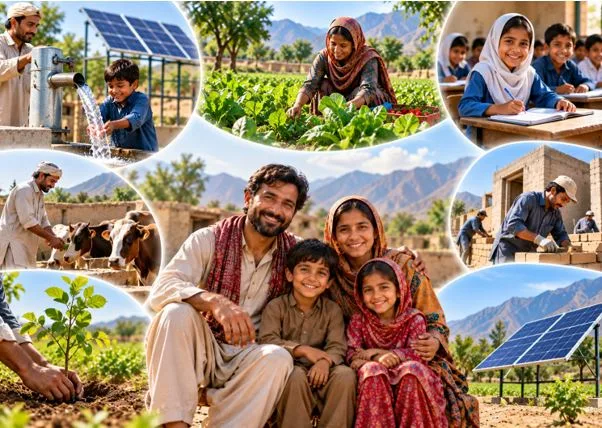
Charitable giving has long played an important role in helping people through poverty, emergencies, food insecurity and other difficult circumstances. While immediate relief remains essential, there is also growing recognition of the importance of projects that can continue benefiting communities long after the initial donation has been made.
Sustainable charity projects aim to create lasting benefits by addressing underlying needs as well as immediate challenges. From clean water infrastructure and livelihood programmes to education and community development, these initiatives can help individuals and families build greater stability for the future.
For donors, supporting sustainable projects can be an opportunity to make charitable giving part of a longer-term solution.
What Makes a Charity Project Sustainable?
A sustainable charity project is designed with its long-term usefulness in mind. Rather than focusing exclusively on short-term assistance, it considers how people and communities can continue benefiting after the initial funding has been used.
Sustainability can take many forms. A community water facility may provide ongoing access to water. A livelihood programme may provide someone with equipment or skills that help them earn an income. An educational initiative may give people knowledge they can use throughout their lives.
However, sustainability does not simply mean that a project lasts for a long time. A successful project should also respond to genuine community needs, be appropriate for local circumstances and consider how it will be maintained.
Immediate Relief Still Matters
The growing focus on sustainable charity does not reduce the importance of emergency and short-term assistance.
When families face hunger, natural disasters, displacement or financial hardship, they may need immediate help. Food, clean water, shelter and other essentials can provide crucial support during these situations.
For example, UK donors who want to Donate a Food Parcel in Pakistan may help contribute towards essential food supplies for families experiencing hardship. Food parcels can provide practical assistance when households are struggling to afford everyday necessities.
The key is not to choose between immediate relief and sustainable development. Both can be important. Short-term assistance can help people through a difficult period, while longer-term projects can address challenges that require more lasting solutions.
Sustainable Water Projects Can Benefit Communities
Water projects are among the clearest examples of charitable initiatives that can provide benefits over time.
In communities where access to reliable water is limited, appropriate infrastructure can make a significant difference. Depending on local requirements, charities may support wells, solar-powered water systems, water coolers, pumps or other facilities.
A sustainable water project should consider more than simply installing infrastructure. Location, maintenance, water quality and community access all matter.
When these factors are properly considered, water projects can provide a resource that serves numerous people repeatedly. This makes them particularly attractive to donors who want their charitable contribution to support something with continuing benefits.
Livelihood Projects Can Encourage Independence
One of the most valuable aspects of sustainable charity is its potential to help people develop greater financial independence.
Families experiencing poverty may require immediate assistance, but continued dependence on emergency support is rarely the ideal long-term outcome. Livelihood programmes can provide opportunities for people to earn an income and support themselves.
Depending on the community, this could involve vocational resources, farming support, tools, equipment or assistance with establishing a small business.
A well-designed livelihood project focuses on creating opportunities rather than simply providing temporary financial assistance. When individuals can generate their own income, the benefits may extend to their households and, in some circumstances, the wider community.
Why Local Needs Must Guide Charity Projects
A sustainable project should be based on what a community actually needs rather than what donors assume it needs.
Every location is different. A solution that works well in one area may be unsuitable in another because of differences in infrastructure, climate, economic conditions or community priorities.
Local knowledge can therefore play an important role in charitable work. Charities may work with people on the ground to identify needs, understand practical challenges and determine which projects are most appropriate.
This approach can also help prevent resources from being spent on projects that look impressive but offer limited long-term value.
For donors, sustainability is therefore about more than the physical lifespan of a project. It is also about whether that project remains useful and relevant to the people it was intended to support.
The Role of UK Charities in International Giving
The UK has a diverse charitable sector, with organisations supporting humanitarian and development projects in many parts of the world.
For British donors with personal, cultural or family connections to Pakistan, supporting charitable work there can be particularly meaningful. Someone searching for a Pakistan Charity UK organisation may encounter projects covering food assistance, clean water, livelihoods, religious giving and emergency relief.
Before donating, supporters should understand what a charity does and how its projects operate. Information about the organisation’s charitable objectives, project descriptions, financial reporting and relevant registration can help donors make more informed choices.
Clear communication is especially important for sustainable projects because donors may want to understand not only what was delivered but also how the project is expected to benefit communities over time.
Sustainable Giving and Sadaqah Jariyah
For Muslim donors, sustainable charitable projects can also be relevant to Sadaqah Jariyah.
Sadaqah refers to voluntary charity, while Sadaqah Jariyah is generally associated with charitable acts that continue to provide benefit. This concept can encourage donors to think about the lasting value of their contributions.
Projects involving water access, education and useful community facilities are often associated with ongoing charity because their benefits may continue beyond the initial donation.
This does not mean that short-term charitable giving is less important. Providing a meal or food parcel to someone experiencing hunger can address an urgent need. Sustainable projects simply provide another way for donors to structure their charitable giving.
Building Stronger Communities Through Education
Education can also play an important role in sustainable development.
Supporting access to learning, vocational skills and practical training can help individuals develop knowledge that may improve their future opportunities. Unlike some forms of material assistance, skills and knowledge can continue benefiting a person for many years.
Educational initiatives can also complement livelihood programmes. Someone who receives vocational training may be better positioned to find employment or establish an income-generating activity.
This demonstrates why sustainable development often requires multiple approaches rather than one isolated project.
Why Transparency Is Essential
Long-term projects require trust between charities, donors and communities.
Donors should be able to understand what they are supporting and what a project is intended to achieve. Charities can encourage this confidence by communicating clearly about their work and providing appropriate updates.
Transparency is also important when describing impact. Sustainable change can take time, and responsible organisations should avoid creating unrealistic expectations about what a single donation or project can accomplish.
Instead, donors should be given clear information that helps them understand how their contributions fit into wider charitable efforts.
Small Donations Can Support Long-Term Change
Sustainable charity does not always require a donor to fund an entire project.
Many projects are made possible through collective giving, where contributions from numerous supporters are combined. A relatively small donation can therefore become part of a much larger initiative.
Regular donations can also help charities plan ahead and maintain ongoing programmes. Having more predictable support can make it easier for organisations to consider longer-term needs rather than relying entirely on one-off campaigns.
This demonstrates that lasting impact can be built through collective participation as well as large individual contributions.
Conclusion
Sustainable charity projects matter because many of the challenges facing vulnerable communities cannot be addressed through temporary assistance alone. Emergency food, water and other essential supplies remain crucial, but longer-term initiatives can complement this support by helping communities build greater stability.
Clean water infrastructure, livelihood opportunities, education and community development are examples of projects that can continue providing value after the initial donation has been made.
For donors, the goal should be thoughtful giving. Understanding community needs, researching charities and considering the long-term purpose of a project can help people make informed decisions about where to direct their support.
Ultimately, sustainable charity is about looking beyond the immediate moment. When short-term assistance is combined with carefully planned long-term projects, charitable giving can help meet urgent needs today while contributing towards stronger and more resilient communities for the future.