How Exterminators In Watertown Protect Your Property
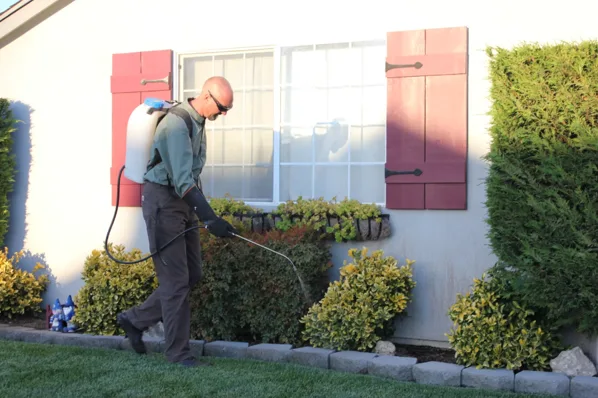
One ant around the sink, scratching behind a wall, or one insect around a window can be the start of a pest problem. Ignoring it can give pests time to settle in and spread.
Professional exterminators approach the situation in a much more comprehensive way. They consider pest entry points, attractants, and how to minimize them. This helps protect your home beyond infestation.
But what does that protection involve?
In this article, we’ll look at five ways that exterminators can help protect a Watertown home and make pest prevention a simple part of home maintenance.
1. Identify Pest Entry Points
Pests require an entry point. Openings around doors, windows, foundations, vents, and utility holes can offer access. Inspection identifies these areas rather than just where a pest was found.
Within a community such as Watertown, seasonal weather conditions and the variety of residential properties can present varying opportunities for pests to gain entry into homes. Therefore, it is important to check the exterior of the home to prevent the recurrence of activity.
This is important because the location of pest occurrence and entry may not be the same. If the activity is frequent, exterminators in Watertown can assist in determining where the entry occurs and what should be done to exclude it.
Key areas may include:
- Gaps around pipes and wires
- Damaged screens or door seals
- Cracks near foundations
- Openings around vents
The fact is, setting up these routes makes the property less accessible for pests. From there, the next step is to see if activity has already infiltrated over time.
2. Detect Hidden Pest Activity
Once potential entry points have been located, another question continues to be asked: Have pests already taken up residence indoors?
Rodents may reside within walls or attics, and insects may be harbored in hidden areas. The search for droppings, nesting material, gnaw marks, and damaged wood is done by professionals.
Correct diagnosis is also important. Different pests behave differently, so the response needs to match the species and location. The first step in rodent control, according to the University of Georgia Extension, is to inspect the home for food, harborage, and openings.
This more general observation can also provide clues as to the source of the activity and whether the visible symptoms indicate a bigger problem. This means that homeowners can deal with the cause, not just the symptoms.
3. Help Limit Property Damage
Rodents may chew through wiring, insulation, and other materials, potentially causing damage that may not be immediately visible. Termites and other wood-destroying insects can affect wooden components, while pests near damp areas may also point to leaks or moisture issues that need attention.
Professionals can identify affected areas and help homeowners handle repairs before issues become harder to manage.
For example, it may reveal:
- Damaged wood near an active area
- Gnaw marks around utility lines
- Moisture near a recurring pest site
- Gaps that expose interior spaces
These observations can help prioritize repairs where activity is strongest and where materials appear most exposed. Protecting the property, however, involves more than spotting damage. It also means addressing conditions that keep attracting pests.
4. Remove Conditions That Attract Pests
Eliminating pests is not a solution to the problem. They can still be attracted by food, water, clutter, and shelter. Excessive plant growth, litter, unprotected waste, and puddling can provide opportunities for pests to feed or harbor.
These conditions can be identified by professionals, and practical changes are suggested. Environmental control, exclusion, sanitation, and habitat modification are also components of integrated pest management that are mentioned in a 2025 article from the University of New Hampshire Extension.
The intent is to improve the conditions, making the property attractive. This changes the emphasis from treating pests to minimizing the factors that encourage their return.
Once those factors are in place, continual monitoring takes place as part of maintaining property protection.
5. Support Long-Term Pest Prevention
Even after an infestation is under control, new opportunities for pest activity can develop. Seasons change, weather affects buildings, landscaping grows, and new gaps can appear. Regular attention helps catch these changes before they create another opportunity for pests.
An ongoing prevention plan may include:
- Routine inspections
- Monitoring for new signs
- Sealing vulnerable openings
- Improving sanitation and storage
- Addressing moisture or clutter
Together, these steps create a simple cycle of inspection, prevention, and follow-up. Rather than waiting for another major infestation, homeowners can act when smaller warning signs first appear. This keeps pest prevention responsive as the property and its surroundings change throughout the year, rather than relying on a single treatment.
Bringing it Together
Protecting a Watertown property from pests involves more than treating insects or rodents after they appear. The stronger approach looks at the entire property, from entry points and hidden activity to food sources, moisture, shelter, and possible damage. Professional exterminators can connect these details and turn them into practical prevention steps. Because pest problems often develop gradually, early attention can make warning signs easier to address before they become disruptive.
Regular inspections and sensible property maintenance around the home can also reduce conditions that support recurring activity. This keeps pest prevention consistently connected to everyday home care instead of treating it as a one-time task. By staying attentive to small changes, homeowners can address concerns before they become more disruptive or costly to manage.