Paint Protection Film vs Repainting: Which Saves More Money Long-Term?
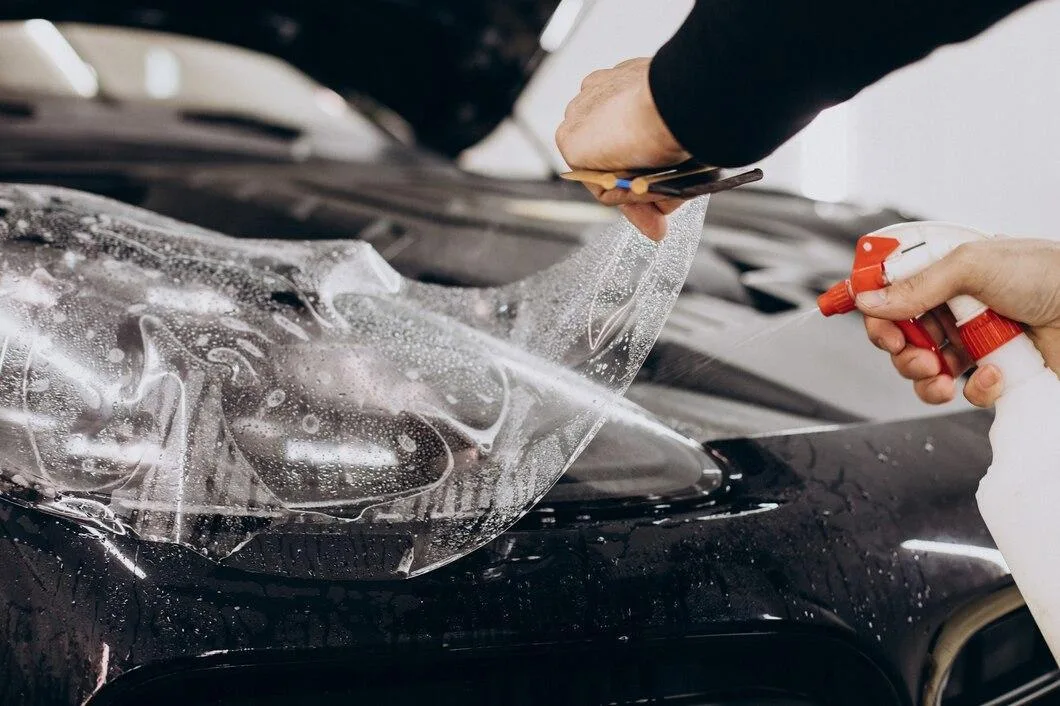
Every car owner wants their vehicle to maintain that fresh, glossy showroom appearance for as long as possible. Unfortunately, everyday driving brings unavoidable challenges-stone chips, road debris, bird droppings, UV exposure, minor scratches and environmental contaminants.
When the paint starts showing signs of wear, most owners face an important question:
Should you install paint protection film now or simply repaint the car when damage becomes visible?
At first glance, repainting may seem like the cheaper option. However, when you consider long-term ownership costs, maintenance, resale value and paint preservation, the answer becomes less straightforward.
Let’s compare Paint Protection Film vs Repainting to understand which option actually saves more money over time.
Table of Contents
- Understanding Paint Protection Film
- What Happens When You Repaint a Car?
- Paint Protection Film vs Repainting: Quick Comparison
- Long-Term Cost Analysis
- Impact on Resale Value
- Which Option Makes More Sense for Different Owners?
- Beyond Cost: The Convenience Factor
- Conclusion
Understanding Paint Protection Film
A paint protection film, or PPF, is a transparent, thermoplastic polyurethane film applied over a vehicle’s painted surfaces. It acts as a sacrificial barrier between the original factory paint and external hazards.
Modern PPF solutions are designed to protect against:
- Stone chips
- Minor scratches
- Road debris
- Bird droppings
- Tree sap
- UV exposure
- Light swirl marks
Unlike repainting, which repairs damage after it occurs, PPF focuses on preventing damage in the first place.
Many vehicle owners choose a professional PPF installation soon after purchasing a new car because preserving factory paint is generally easier than restoring it later.
What Happens When You Repaint a Car?
Repainting is a corrective solution rather than a preventive one.
When paint damage becomes visible, the affected panel is sanded, prepared and repainted to restore its appearance. Depending on the severity of damage, repainting may involve:
- A single panel
- Multiple panels
- Full-body repainting
While quality repainting can significantly improve appearance, it comes with certain limitations.
Colour matching may not always be perfect. Factory paint quality is often difficult to replicate completely. Over time, differences in paint texture, gloss levels and fading can become noticeable.
Additionally, repainting does not prevent future damage. The same panel can still suffer scratches, chips and environmental damage shortly after repair.
Paint Protection Film vs Repainting: Quick Comparison
| Factor | Paint Protection Film | Repainting |
| Purpose | Prevents damage | Repairs damage |
| Protection Level | High | Low |
| Stone Chip Resistance | Excellent | None |
| Scratch Resistance | Good | Limited |
| Original Paint Preservation | Yes | No |
| Resale Value Impact | Positive | Neutral to negative |
| Maintenance Requirement | Low | Moderate |
| Long-Term Cost | Predictable | Can increase over time |
The biggest difference is simple: one protects your paint, while the other restores paint after damage has already occurred.
Long-Term Cost Analysis
This is where the conversation becomes interesting.
A vehicle owner who skips protection may need multiple paint repairs during ownership. Small scratches, bumper damage, highway stone chips, and parking-lot incidents can gradually add up.
Typical expenses may include:
- Bumper repainting
- Bonnet repainting
- Door panel correction
- Scratch removal
- Paint blending
Individually, these repairs may not seem expensive. However, over five to seven years of ownership, the cumulative cost can become significant.
A professionally installed PPF coating requires a higher initial investment, but it can reduce the need for recurring paint correction work.
For vehicles that frequently travel on highways, encounter heavy traffic or spend long hours outdoors, preventive protection often proves more economical than repeated repairs.
The comparison becomes even more relevant for premium vehicles where paint repair costs are substantially higher.
Impact on Resale Value
Resale value is an area many car owners overlook. Used-car buyers often inspect paint quality closely because paint condition can indicate how well a vehicle has been maintained.
Vehicles retaining their original factory paint typically create greater buyer confidence than cars with multiple repainted panels.
Factory paint consistency often suggests:
- Lower accident history concerns
- Better maintenance practices
- Higher overall vehicle care
This is one reason why many enthusiasts invest in car paint protection early rather than waiting for visible damage.
A well-maintained exterior can contribute positively during resale negotiations and may help the vehicle retain stronger market appeal.
Which Option Makes More Sense for Different Owners?
The answer depends on the vehicle and ownership goals.
Paint Protection Film May Be Better If:
The vehicle is brand new.
- You plan to keep it for several years.
- Highway driving is frequent.
- You own a premium sedan or SUV.
- Preserving resale value is important.
- You prefer preventive maintenance.
Repainting May Be Better If:
The vehicle already has significant paint damage.
- Ownership duration is short.
- The vehicle is older.
- Cosmetic perfection is not a major priority.
- Budget limitations prevent preventive protection.
For many new-car owners, prevention usually delivers better value than correction.
Beyond Cost: The Convenience Factor
Financial considerations are important, but convenience also matters.
Repeated paint repairs often mean:
- Workshop visits
- Vehicle downtime
- Color-matching concerns
- Additional maintenance
Protective solutions reduce the likelihood of dealing with these situations regularly.
Many owners appreciate the peace of mind that comes from knowing everyday road hazards are less likely to affect the vehicle’s appearance. That convenience is difficult to quantify financially but can become valuable throughout ownership.
Conclusion
When comparing Paint Protection Film vs Repainting, the cheaper option isn’t always the one with the lower upfront cost.
For older vehicles with existing paint issues, repainting may still be a practical solution. However, for new vehicles and owners planning long-term ownership, preventive protection often provides better value, fewer repairs and stronger paint preservation.
Ultimately, the decision depends on how long you plan to keep the vehicle, how you use it and how important maintaining original paint condition is to you.
For owners looking to preserve factory paint and minimise future repair costs, solutions such as professional PPF installation from brands like CarzSpa have become an increasingly popular consideration.