When Should You Visit an ENT Clinic for Ear, Nose, or Throat Symptoms?
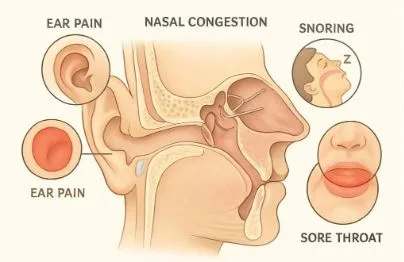
| Ear, nose, and throat symptoms are common, but they are not always easy to interpret. A blocked ear, recurring sinus pressure, persistent sore throat, or repeated nasal congestion may seem minor at first, yet some problems can continue for weeks or return frequently.
People searching for an ent clinic near me are often trying to understand whether their symptoms need more focused evaluation. Knowing when to seek assessment can help patients avoid ignoring problems that are persistent, painful, or affecting daily life. Ear Symptoms That Should Not Be Ignored Ear discomfort can be caused by several different issues, including earwax buildup, infection, pressure changes, or inflammation. Some people may also experience reduced hearing, ringing, discharge, or a sensation that the ear is blocked. If symptoms continue, worsen, or repeatedly return, a clinical assessment may be useful. Examination can help identify whether the problem is limited to the outer ear or whether further evaluation is needed. Recurrent Nasal Congestion Can Need Assessment Nasal congestion is often linked to colds or allergies, but persistent blockage may have other causes. Repeated sinus pressure, difficulty breathing through the nose, post-nasal drip, or frequent sneezing can affect sleep and concentration. When symptoms continue beyond a short illness, patients may benefit from a more detailed review. The aim is to understand what may be contributing to the problem rather than simply treating temporary discomfort. Persistent Throat Problems Deserve Attention A sore throat usually improves with time, especially when linked to a minor infection. However, repeated throat pain, hoarseness, swallowing discomfort, or a sensation of something being stuck may require further assessment. Persistent symptoms can have several possible explanations. A clinician can review how long the problem has been present, whether it is changing, and whether there are any associated symptoms that need closer attention. When Specialist Evaluation May Help An ear nose throat specialist focuses on conditions affecting the ears, nose, throat, and related structures. Specialist assessment may be considered when symptoms are recurring, unusual, or not improving as expected. The exact approach depends on the individual problem. Some patients may only need a physical examination, while others may require additional assessment depending on their symptoms and medical history. Hearing Changes Should Be Checked Sudden or gradual changes in hearing can affect communication, work, and everyday safety. Patients may notice muffled hearing, difficulty following conversations, or needing to increase the volume on devices. Some causes are relatively simple, such as earwax blockage, while others may need further investigation. Because the cause cannot always be identified from symptoms alone, proper examination is important. Sinus Symptoms Can Affect Daily Life Sinus-related problems may involve facial pressure, headache, nasal discharge, reduced sense of smell, or congestion that keeps returning. These symptoms can also interfere with sleep and concentration. Patients should avoid assuming that all sinus symptoms have the same cause. A clinician can consider whether infection, allergies, inflammation, or another issue may be contributing. Prepare Before the Appointment Patients can make an ENT consultation more useful by noting when symptoms started, how often they occur, and what makes them better or worse. Information about previous treatments or medicines can also help. It may also be useful to bring a list of current medications and relevant medical history. Clear information allows the clinician to understand the pattern of symptoms more efficiently. Know When Urgent Care May Be Needed Some symptoms should not wait for a routine appointment. Sudden hearing loss, severe breathing difficulty, major swelling, significant bleeding, or rapidly worsening symptoms may require urgent medical attention. Patients should seek appropriate emergency or urgent care when symptoms appear severe. Routine ENT appointments are better suited to stable or ongoing problems that still need assessment. Follow the Recommended Care Plan After evaluation, treatment may depend on the cause of the symptoms. Some problems may respond to medication or simple procedures, while others may require follow-up or additional testing. Patients should ask questions if they do not understand the diagnosis, expected recovery, or next steps. Knowing what to monitor can make follow-up care more effective. Conclusion Ear, nose, and throat symptoms are common, but persistent or recurring problems should not always be dismissed. Changes in hearing, repeated sinus discomfort, throat problems, or long-lasting congestion may benefit from professional assessment. Seeking appropriate care early can help identify the cause and guide the next step. The most useful approach is to pay attention to how long symptoms last, how much they affect daily life, and whether they are improving or becoming more severe. |