Chrysler Safety Systems for Daily and Highway Travel
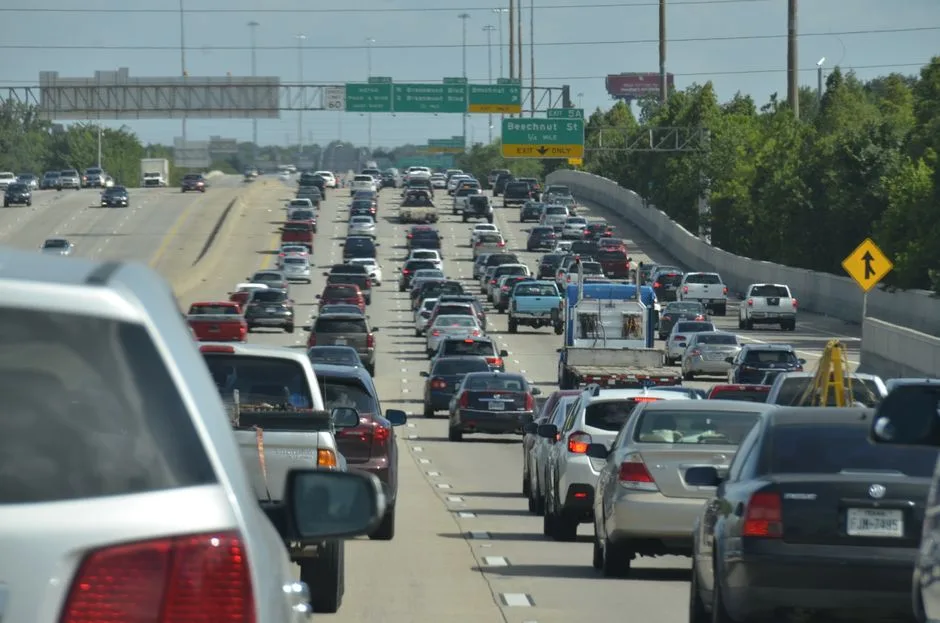
Safety technology has become an important part of the modern driving experience. Whether a vehicle is used for daily commuting, family errands, long highway trips, or weekend travel, driver-assistance systems can provide additional information and support in situations where a driver may have limited visibility or reaction time. Chrysler vehicles offer a range of safety technologies designed to assist with forward awareness, lane positioning, parking, and highway driving. Drivers comparing their options through car dealerships Elk City Oklahoma can benefit from understanding what these systems do and how they are intended to complement attentive driving. Knowing the purpose and limitations of each feature can also make it easier to choose a vehicle that fits everyday driving needs.
Forward Collision Warning With Active Braking
Forward collision warning is designed to monitor traffic ahead and alert the driver when a potential collision is detected. Chrysler’s available Full-Speed Forward Collision Warning with Active Braking can provide warnings and, when necessary, apply braking assistance. The 2026 Chrysler Pacifica includes this system as a standard safety feature.
This technology can be useful in everyday traffic, particularly when vehicles ahead slow unexpectedly. A warning can give the driver additional time to respond, while automatic braking can provide another layer of assistance if a collision becomes imminent.
The system should not be viewed as a replacement for attentive driving. NHTSA explains that driver-assistance systems are designed to assist drivers, who remain responsible for controlling the vehicle.
Adaptive Cruise Control With Stop and Go
Highway travel often involves constantly adjusting speed as traffic changes. Adaptive cruise control can reduce some of that workload by automatically adjusting a vehicle’s speed to maintain a selected following distance.
The Chrysler Pacifica’s available Adaptive Cruise Control with Stop and Go monitors vehicles ahead and adjusts speed accordingly. It can also bring the vehicle to a stop when traffic conditions require it.
For long highway journeys, this feature can be convenient because traffic rarely moves at a completely consistent speed. Instead of repeatedly switching between the accelerator and brake, the system can make appropriate speed adjustments within its operating parameters.
NHTSA describes adaptive cruise control as a driver-assistance technology that maintains a preset distance from the vehicle ahead. The driver must remain engaged and attentive while the system is operating.
LaneSense Lane Departure Warning With Lane Keep Assist
Unintentional lane departure can happen during long drives or moments of distraction. Chrysler’s LaneSense Lane Departure Warning with Lane Keep Assist is designed to alert the driver when the vehicle begins drifting from its lane and can provide steering assistance to help guide the vehicle back.
The 2026 Pacifica includes LaneSense Lane Departure Warning with Lane Keep Assist as a standard feature.
This type of technology can be especially relevant during highway travel, where vehicles remain in lanes for extended periods. Lane assistance does not mean drivers can stop monitoring the road. Instead, it provides another layer of support when the vehicle begins to move away from its intended lane.
Blind Spot Monitoring
Blind spots can make lane changes more complicated because another vehicle may be positioned where it is difficult to see through the mirrors. Chrysler’s Blind Spot Monitoring System is designed to detect vehicles in adjacent areas and alert the driver.
On the 2026 Pacifica, the system provides an alert on the corresponding exterior mirror when a vehicle is detected in the blind spot.
This can be particularly useful on multi-lane highways where vehicles frequently move between lanes. However, drivers should still check their mirrors and surroundings before changing lanes.
NHTSA identifies blind spot warning as a technology that alerts drivers when another vehicle is positioned in an adjacent lane where it may be difficult to see.
Pedestrian Automatic Emergency Braking
Urban driving can involve pedestrians crossing streets, walking near parking areas, or entering a vehicle’s path unexpectedly. Pedestrian automatic emergency braking is designed to detect certain pedestrians ahead and automatically apply the brakes when a collision is imminent.
Chrysler lists a Pedestrian Automatic Emergency Braking System among the standard safety features of the 2026 Pacifica.
The technology adds another layer of assistance in situations where a driver may have limited time to react. NHTSA also recognizes pedestrian automatic emergency braking as a driver-assistance technology that can automatically apply the brakes when a collision with a pedestrian is imminent.
ParkSense Rear Park Assist
Parking lots, driveways, and crowded urban areas can present challenges when reversing. Chrysler’s ParkSense Rear Park Assist System uses visual and audible warnings to help drivers identify potential obstacles while backing up.
The 2026 Pacifica also has a system that can automatically apply the brakes if a potential collision is detected.
This type of technology can be useful when a low object, vehicle, or other obstacle is difficult to see from the driver’s seat. Still, drivers should continue checking mirrors, cameras, and the surrounding area rather than relying solely on parking assistance.
Rear Cross Path Detection
Backing out of a parking space can be difficult when vehicles parked nearby block the driver’s view of approaching traffic. Rear Cross Path Detection is designed to address this situation by alerting the driver when a vehicle is approaching from the side while reversing.
Chrysler includes Rear Cross Path Detection on the 2026 Pacifica.
This feature can be particularly helpful in busy parking lots and shopping centers. A driver may have a clear view directly behind the vehicle but still have limited visibility to the left or right. Rear cross-traffic alerts can provide additional information in those circumstances.
NHTSA similarly describes rear cross traffic warning as a technology that alerts drivers about potential collisions that may be outside the view of the backup camera.
Backup Camera and Rear Visibility
A backup camera is now a familiar safety feature, but it remains an important part of low-speed maneuvering. The camera provides a view behind the vehicle when reversing, helping drivers identify objects or people that may not be immediately visible through the windows.
NHTSA notes that backup cameras are intended to help prevent backover crashes but should not replace mirrors or physically checking the surroundings.
Chrysler’s Pacifica also offers a rear camera washer, which is designed to help keep the camera lens clear of dirt or debris.
For drivers who frequently park outdoors or travel in dusty or wet conditions, maintaining clear camera visibility can be an important practical consideration.
Electronic Stability and Vehicle Control
Safety systems are not limited to collision warnings. Vehicle-control technologies also play a role in maintaining stability when road conditions change.
Electronic stability control, for example, can help drivers maintain control when a vehicle begins to lose directional stability. NHTSA explains that electronic stability control uses computer-controlled braking at individual wheels to help a driver maintain control during certain loss-of-control situations.
These systems work largely in the background, meaning drivers may not notice them during ordinary travel. Their importance becomes more apparent when road conditions or vehicle dynamics change unexpectedly.
Safety Technology for Daily Driving
Different safety systems can be useful in different everyday situations. Forward collision warning can provide additional awareness in traffic, blind spot monitoring can assist during lane changes, and parking sensors can help in crowded parking areas.
For families, safety technology can also make routine trips easier to manage. A vehicle may encounter pedestrians around schools, changing traffic near shopping centers, and tight parking spaces during a single day’s driving.
The important point is that these technologies are designed to support the driver rather than replace human judgment. NHTSA emphasizes that drivers remain responsible for steering, braking, accelerating, and maintaining attention even when assistance systems are active.
Highway Safety Features Work Together
Highway driving brings its own set of challenges, including higher speeds, frequent lane changes, changing traffic flow, and long periods behind the wheel. Several Chrysler systems can work independently to assist with different aspects of these conditions.
Adaptive cruise control can help manage following distance, LaneSense can provide lane-departure assistance, and blind spot monitoring can provide additional information during lane changes. Forward collision warning and active braking can also provide assistance when traffic ahead changes unexpectedly.
Together, these technologies illustrate how modern safety systems can address different parts of the driving experience. However, their availability and exact operation can vary by model, trim, and equipment.
Understanding the Limits of Driver Assistance
Technology can provide valuable support, but it does not eliminate the need for responsible driving. Cameras and sensors can have limitations caused by weather, road conditions, visibility, sensor obstruction, or situations outside a system’s operating parameters.
Drivers should read the owner’s manual to understand when each feature operates and what its warnings mean. NHTSA specifically recommends reviewing the owner’s manual to understand how a vehicle’s driver-assistance technologies work.
Keeping cameras and sensors clean, paying attention to alerts, and remaining engaged behind the wheel are all important parts of using these technologies properly.
Conclusion
Chrysler safety systems are designed to provide assistance across many common driving situations. Features such as Full-Speed Forward Collision Warning with Active Braking, Adaptive Cruise Control with Stop and Go, LaneSense Lane Keep Assist, Blind Spot Monitoring, Pedestrian Automatic Emergency Braking, ParkSense Rear Park Assist, and Rear Cross Path Detection address different challenges encountered during daily and highway travel.
For drivers comparing vehicles, understanding these technologies is more useful than simply looking at a list of features. Consider which systems match everyday driving conditions, learn how each one operates, and remember that driver attention remains essential. When used appropriately, modern safety technologies can provide additional information and assistance while helping drivers stay more aware of their surroundings.