Winter Home Care: Preventing Frozen Pipes and Sudden Heating Failures
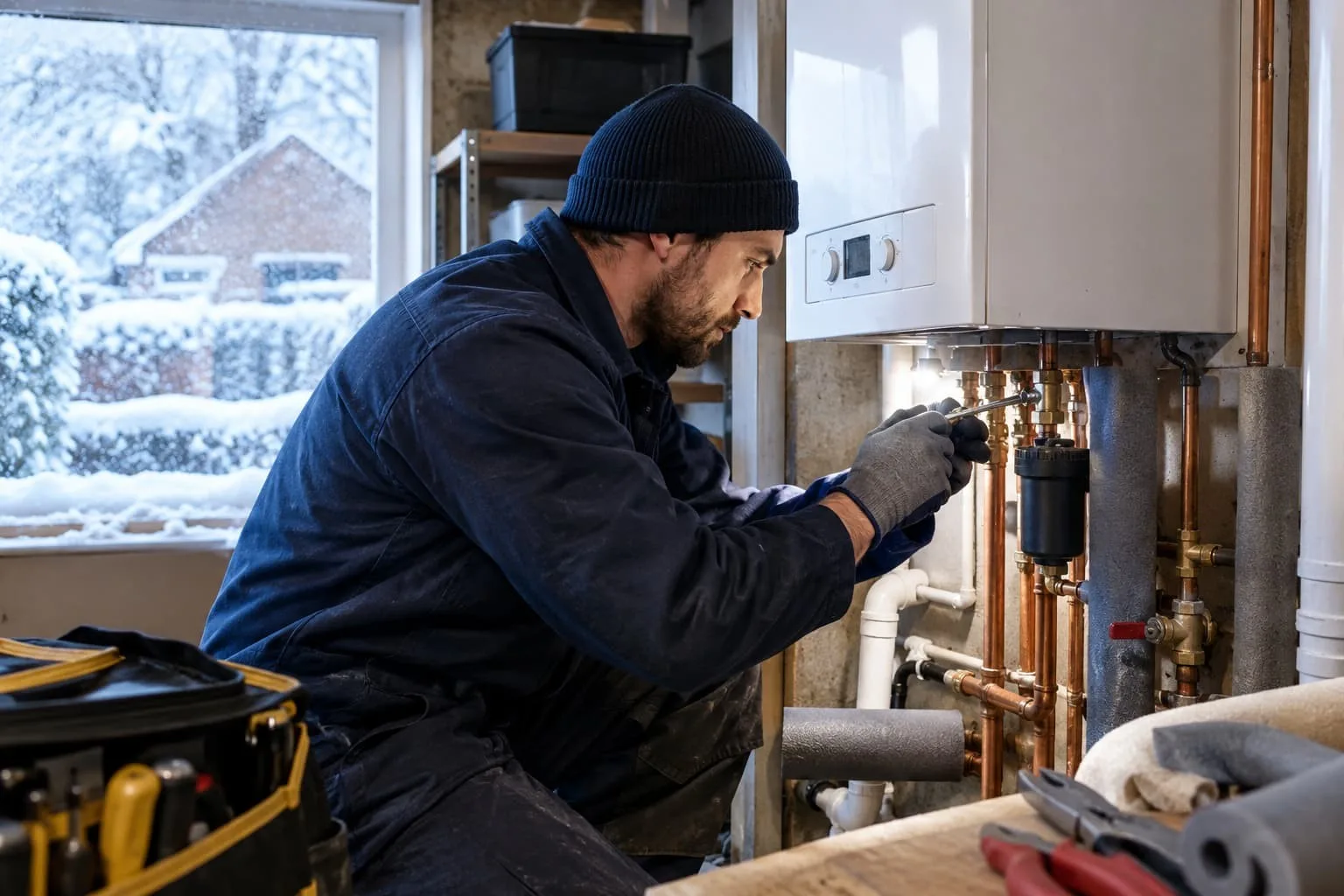
Winter weather in the UK brings cold snaps that put significant stress on domestic plumbing and central heating systems. When freezing temperatures settle in, water inside uninsulated pipework can quickly expand, leading to sudden splits and severe property flooding. At the same time, boilers are forced to work continuously after months of lighter use, increasing the likelihood of unexpected system shutdowns. Taking basic preventive measures and understanding how your heating system operates can save thousands of pounds in structural damage and keep your property warm throughout the winter months.
Understanding Freezing Pipes and Heating Faults
Water expands as it turns into ice, creating immense pressure inside rigid metal or plastic supply lines. This expansion typically happens in unheated spaces such as lofts, basements, attached garages, and along external walls. When the pressure builds up past the strength of the material, the pipe cracks or bursts open. Homeowners often remain unaware of the split until the ice thaws and water begins running into ceilings, floors, and electrical fittings.
Boiler breakdowns occur for similar reasons during sudden temperature drops. Condensate pipes, which carry acidic wastewater away from modern condensing boilers to external drains, are particularly vulnerable to freezing solid. When an emergency strikes and heating stops working, homeowners often rely on a fast response Milton Keynes emergency plumber to diagnose system faults and restore hot water safely.
Leaving homes without central heating during sub zero conditions rapidly accelerates pipe freezing across the entire property. For broader coverage on regional topics and seasonal updates, you can follow current reports on BigNewsNetwork.
Essential Steps to Protect Your Property
Preparing a domestic plumbing system for severe weather involves a few straightforward, cost effective steps before temperatures drop below freezing.
- Insulate Exposed Pipework: Apply foam pipe lagging around all accessible supply lines located in lofts, garages, and unheated under sink cupboards. Focus heavily on joints, elbows, and outdoor hose taps.
- Maintain Low Background Heat: Keep your central heating running on a low setting continuously during extreme cold spells, even when the property is unoccupied. Maintaining a stable indoor temperature prevents water in hidden wall cavities from dropping below freezing.
- Bleed Radiators and Check System Pressure: Trapped air in radiators prevents hot water from circulating effectively, forcing the boiler to work harder than necessary. Bleed air from cold spots on radiators and ensure the boiler pressure gauge sits within the recommended operating range, usually between 1.0 and 1.5 bar.
- Locate the Main Stopcock: Ensure every adult in the house knows the exact location of the main water shutoff valve. If a pipe cracks, turning off the main water supply within seconds drastically limits the scope of water damage.
How to Handle a Frozen Pipe or Emergency Leak
If a tap stops running during a cold snap or a radiator drops out unexpectedly, act quickly to resolve the issue before a major leak occurs.
First, check if other taps in the house are working to determine whether the main supply has frozen or if the issue is localized to one pipe. If you spot a frozen section of exposed pipe, gentle warmth from a hot water bottle or hair dryer applied starting from the tap end can safely thaw the blockage. Never use an open flame, heat gun, or boiling water directly on cold pipes, as rapid temperature shifts can shatter the material instantly.
In cases where a pipe has already split or water is leaking through ceilings, immediately close the main stopcock and open all cold taps to drain the remaining water out of the system. Switch off electrical circuits near affected areas to avoid short circuits or shock hazards.
Knowing When to Call a Certified Professional
While basic insulation work and thermostat adjustments are easily managed by homeowners, structural leaks and gas appliance failures require certified expert intervention. Attempting DIY repairs on central heating boilers or main water connections without proper tools often causes further damage and voids manufacturer warranties.
Severe situations like cracked boiler heat exchangers, broken cisterns, or high pressure water leaks demand prompt attention from qualified tradespeople. Always make sure gas boiler repairs and replacements are completed by engineers listed on the official Gas Safe Register to guarantee compliance with national safety standards.
Final Thoughts
A small amount of seasonal preparation goes a long way toward keeping a home safe and dry during harsh winter spells. By fitting basic insulation, keeping heating circuits balanced, and verifying the location of your main stopcock, you significantly reduce the risk of structural flooding. Keeping emergency contact details readily available gives you complete peace of mind when winter weather arrives.