Hard Water Plus Coconut Oil Soap: A Combination That May Be Behind Many Skin Problems
Millions of people deal with persistently dry, irritated, or reactive skin despite following what seems like a perfectly reasonable skincare routine. They moisturize regularly, avoid harsh products, and choose soaps marketed as gentle or natural. Yet the dryness continues, the irritation persists, and the cause remains frustratingly unclear.
For a significant proportion of these people, the answer may lie not in what they are putting on their skin after washing but in the combination of two factors they have never thought to consider together: the mineral content of their tap water and the specific ingredients in their soap. Separately, each factor creates manageable challenges for skin. Together, they create a compounding problem that is considerably harder to address and that standard skincare advice almost never accounts for.
The Scale of the Hard Water Problem
Hard water, defined by elevated concentrations of dissolved calcium and magnesium minerals, affects the majority of households across the United States and large portions of Europe, Australia, and other developed regions. The United States Geological Survey estimates that approximately 85 percent of American homes receive water that qualifies as moderately to very hard by standard classification.
This means that for most people, every shower, every hand wash, and every face rinse involves contact between skin and mineral-laden water. The effects of this daily exposure are well documented in dermatological literature and include disruption of the skin’s acid mantle, increased transepidermal water loss, mineral deposits on the skin surface that interfere with barrier function, and elevated rates of eczema and contact dermatitis in populations living in hard water areas.
Research published in the Journal of Investigative Dermatology by Danby and colleagues demonstrated that hard water exposure significantly increased skin permeability and reduced the effectiveness of the skin’s natural barrier function in controlled laboratory conditions. A separate population study published in the British Journal of Dermatology found meaningful associations between residential water hardness and eczema prevalence in children, adding epidemiological weight to the mechanistic findings.
What Hard Water Does to Skin Chemistry
The skin maintains a slightly acidic surface pH, typically between 4.5 and 5.5, that supports barrier function and helps regulate the skin’s microbial environment. Hard water, which is typically alkaline with a pH between 7 and 8.5 depending on mineral content, disrupts this acid mantle with every wash. Over time, repeated alkaline exposure chronically elevates the skin’s surface pH, compromising barrier function and creating conditions that favor inflammatory skin responses.
The calcium and magnesium ions in hard water also interact directly with the fatty acids in soap, producing insoluble calcium and magnesium salts that do not rinse away cleanly. These compounds leave a film on the skin surface that contributes to the tight, uncomfortable feeling familiar to hard water users and that gradually accumulates with repeated washing.
Where Coconut Oil Soap Enters the Problem
Coconut oil is among the most widely used ingredients in both commercial and handmade soap. Its popularity is well founded from a formulation perspective: it produces abundant lather, creates a hard bar, and has strong cleansing properties. These qualities make it attractive to soap makers and appreciated by consumers accustomed to dense, foamy lather as a sign of effective cleansing.
What is less well understood is how coconut oil soap behaves specifically in hard water, and why that behavior compounds the skin problems that hard water already creates.
The Chemistry of Coconut Soap in Hard Water
Coconut oil’s cleansing power derives primarily from its high concentration of lauric acid, a 12-carbon saturated fatty acid that constitutes roughly 47 to 50 percent of coconut oil’s fatty acid profile. Lauric acid soaps are highly effective at removing oils from surfaces, including the natural oils that make up a significant component of the skin’s barrier.
When lauric acid soap meets hard water, the calcium and magnesium ions in the water react with the soap’s fatty acids to form calcium and magnesium laurate, the primary components of soap scum. This reaction has two consequences that directly affect skin. First, it reduces the effective cleaning action of the soap, requiring more product to achieve the same result and thereby increasing the total chemical load on the skin surface. Second, the soap scum compounds that form are not water-soluble and do not rinse away cleanly, leaving a layer of calcium and magnesium laurate on the skin that contributes to pore congestion, surface film, and ongoing barrier disruption.
The Compounding Effect
This is where the combination becomes more problematic than either factor alone. Hard water has already compromised the skin’s acid mantle and barrier function before soap is even applied. The high-coconut soap then strips the skin’s natural oils more aggressively than a gentler formulation would, at precisely the moment when the barrier is already weakened. And the soap scum produced by the lauric acid reacting with water minerals leaves behind a residue that sits on a skin surface that is less able to clear it effectively than healthy skin would be.
The result is a cycle that reinforces itself with every wash. Hard water weakens the barrier. High-coconut soap strips what remains of the barrier lipids and leaves soap scum residue. The weakened barrier becomes progressively less capable of maintaining its protective function. Inflammation and sensitivity increase, making the skin more reactive to the very conditions that are causing the problem.
Why This Goes Unidentified
The reason this combination so frequently goes unidentified as the cause of persistent skin problems is that neither factor alone is typically severe enough to produce dramatic symptoms in otherwise healthy individuals. Hard water causes dryness and some sensitivity in many people, but plenty of people with hard water have apparently normal skin. Coconut oil soap causes no visible problems for many of its users under normal conditions.
It is the specific intersection of hard water and high-coconut soap, applied repeatedly to the same skin over months and years, that produces the chronic, low-grade skin dysfunction that many people simply accept as their normal skin type. A person who has always lived with hard water and always used coconut-heavy soap has no reference point for how their skin might behave under different conditions, making the cause effectively invisible without a deliberate investigation.
The Evidence for Coconut Oil as a Contact Sensitizer
Beyond the hard water interaction, coconut oil and its derivatives carry an independent sensitization risk that is documented in dermatological literature and adds another dimension to the problem for some individuals.
Cocamidopropyl betaine, a coconut-derived surfactant used extensively in liquid cleansers and shampoos, has been consistently identified as one of the more common causes of contact allergy in patch-tested populations. The North American Contact Dermatitis Group has reported positive patch test reactions to cocamidopropyl betaine and related coconut derivatives in multiple surveillance cycles, with prevalence rates sufficient to place these ingredients in the upper tier of clinically significant contact allergens.
Sensitivity to coconut-derived ingredients tends to develop with repeated exposure over time rather than appearing immediately on first contact. This delayed sensitization pattern means that a person can use the same coconut-heavy soap for years before developing a reaction, at which point the connection between the product and the symptoms is far from obvious. In hard water conditions, where the skin barrier is chronically compromised and percutaneous penetration of potential allergens is therefore increased, sensitization may develop more readily and at lower exposure concentrations than it would in soft water conditions.
What Coconut Oil Free Soap Changes in This Equation
Removing coconut oil and its derivatives from a soap formulation addresses the problem at its source by replacing the high-cleansing, hard-water-reactive lauric acid with fatty acids that interact more gently with both skin and mineral-rich water.
Gentler Fatty Acid Profiles
Soaps formulated without coconut oil typically use olive oil, castor oil, shea butter, and similar plant oils as their base. These oils have fatty acid profiles dominated by oleic acid, ricinoleic acid, and stearic acid rather than lauric acid. In hard water conditions, the calcium and magnesium salts produced by these fatty acids are softer and more water-soluble than the calcium laurate produced by coconut soap, meaning they rinse away more completely and leave less residue on the skin surface.
The lower cleansing value of non-coconut formulations also means that each wash strips less of the skin’s natural lipid layer than a high-coconut soap would. For skin that is already dealing with barrier compromise from hard water mineral exposure, this reduced stripping allows the barrier to maintain more of its protective function between washes.
Glycerin Retention and Barrier Support
Quality handmade bar soap made through traditional cold-process methods retains the glycerin produced during saponification rather than extracting it for use in other products, as commercial soap manufacturers typically do. Glycerin is a powerful humectant that draws moisture to the skin surface and supports barrier function, providing a degree of compensation for the drying effects of hard water mineral exposure with each wash. When a coconut-free formulation is combined with this glycerin-retaining production method, the result is a bar that cleanses with significantly less disruption to the skin barrier than either a commercial soap or a high-coconut handmade soap in hard water conditions.
Reduced Allergen Exposure
Eliminating coconut-derived ingredients removes one of the most clinically significant contact allergen categories from the daily wash routine. For individuals who have already developed sensitivity to lauric acid derivatives or cocamidopropyl betaine, this elimination can produce rapid and noticeable improvement in skin reactivity. For those who have not yet developed sensitivity, it removes a meaningful source of cumulative exposure in a skin environment that hard water has already made more permeable to potential allergens.
A quality coconut oil free soap formulated with alternative plant-based oils addresses both the fatty acid chemistry problem and the allergen exposure problem simultaneously, making it a practical starting point for anyone investigating whether the hard water and coconut soap combination is behind their persistent skin issues.
Practical Implications for Consumers
For anyone dealing with persistent skin dryness, irritation, or sensitivity who has not yet identified a clear cause, the combination of hard water and high-coconut soap is worth investigating as a starting point before attributing the problem to intrinsic skin type or investing in more complex skincare interventions.
Testing the hypothesis is straightforward. Switching soap formulations for four to six weeks, while keeping other skincare variables constant, provides a reasonable test of whether the combination of water chemistry and soap ingredients is contributing to the problem. Many people who make this switch in hard water areas report meaningful improvement in skin comfort within the first few weeks, often without any other changes to their routine.
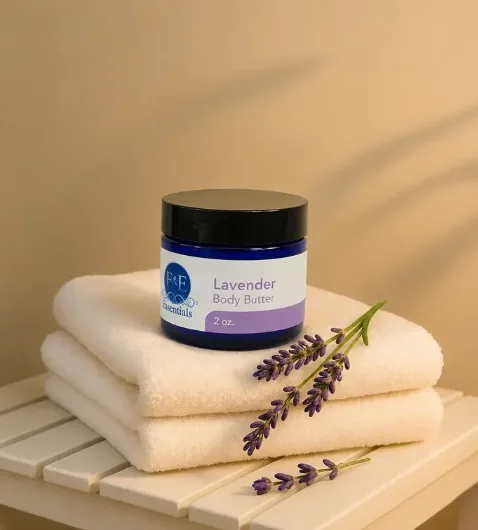
E and E Essentials formulates their soaps with ingredient transparency and without the coconut-derived components that create the hard water compounding problem, making them a practical option for anyone looking to test whether their current soap is part of the problem. Combining the soap switch with a shower filter that reduces water hardness at the point of use provides a more comprehensive intervention, though the soap change alone is typically sufficient to produce noticeable results for those whose skin issues are primarily driven by the combination described here.
The Broader Implication for Skincare Advice
The hard water and coconut soap combination illustrates a broader gap in how skincare advice is typically delivered. Standard recommendations for dry or sensitive skin focus almost entirely on what to apply to the skin after cleansing, with little attention to how the cleansing itself is affecting the baseline condition the skin is being treated from. Moisturizer cannot fully compensate for a cleansing process that is actively undermining the skin barrier with every wash.
For the estimated majority of households dealing with hard water, and for the significant proportion of those households using coconut-heavy soaps marketed as natural or gentle, this gap in conventional skincare guidance may be contributing to persistent skin problems that are preventable rather than inevitable. The solution, in many cases, is not a more sophisticated skincare routine. It is a different bar of soap.