7 Ways an Experienced Lawyer Can Investigate a Distracted Driving Case
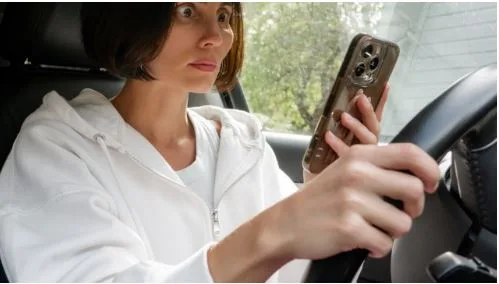
A phone screen can leave no skid marks, yet it may explain why a driver never reacted in time. Distracted driving cases often turn on details that are easy to miss, especially when there is no clear admission of what the driver was doing. An experienced distracted driving accident lawyer can look beyond the crash report and examine records, footage, witness accounts, and vehicle data to build a clearer timeline. Each source can reveal a different piece of what happened, making it important to look at the evidence as a whole rather than relying on one detail.
The goal is not simply to show that a driver was distracted, but to connect that distraction to the collision and the harm that followed. Careful investigation can also reveal gaps or contradictions in the other side’s account. By gathering the right evidence early, a legal team can give the facts a stronger direction.
1. Checking Phone and Digital Records
Cellphone records can provide useful information about activity around a crash. A lawyer may seek records showing calls, texts, or other phone activity, depending on what is legally available and relevant to the case.
Timing matters. If a record shows activity close to the time of the collision, it can be compared with the crash timeline. Other digital information may also help establish what the driver was doing.
These records do not automatically prove negligence. They become more useful when considered alongside other evidence.
2. Finding Video That Captured the Driver
A few seconds of video can sometimes provide important details. Traffic cameras, nearby business cameras, dashcams, and other recordings may show what happened before impact.
A lawyer can look for signs such as:
- The driver looking down for an extended period
- A phone being held near the steering wheel
- Hands moving away from normal driving positions
- The vehicle drifting or failing to respond to traffic
Video can also help confirm the timing of the crash. Because some systems automatically delete older recordings, identifying and preserving useful footage can be an important early step.
3. Talking With People Who Saw the Driving
Witnesses may notice behavior that is not visible in an accident report. Passengers, pedestrians, nearby drivers, and other people at the scene may have seen the driver before the collision.
Their statements can address specific actions, such as looking at a phone, eating, reaching for something, or turning to speak with another person. A lawyer can document what each witness actually observed rather than relying on assumptions.
Independent observations may also help clarify conflicting versions of the event.
4. Rebuilding the Few Seconds Before Impact
A crash scene contains clues about how an accident unfolded. Vehicle positions, damage patterns, traffic signals, road conditions, and stopping distances can help establish a sequence of events.
An investigator may examine questions such as:
- Where was each vehicle before the collision?
- How much time did the driver have to react?
- Was braking attempted?
- Did the vehicle change speed or direction?
This reconstruction can help determine whether a lack of attention fits the physical evidence.
5. Comparing the Driver’s Statements
A driver’s account can change as more evidence becomes available. Statements made to police, witnesses, insurers, or others may contain details that can later be compared with phone records, video, or physical evidence.
For example, a driver may say they were watching traffic, while video suggests their attention was directed elsewhere. A lawyer can examine such differences carefully and determine which evidence supports each version.
The purpose is not to treat every inconsistency as proof of fault. It is to test the reliability of the overall account.
6. Looking at Vehicle and Electronic Data
Modern vehicles can contain electronic systems that record useful information. Depending on the vehicle, an investigation may consider event data related to speed, braking, acceleration, or other conditions surrounding a crash.
This information can help establish what the vehicle was doing before and during impact. It may also support or challenge statements made by the drivers.
Electronic evidence has limits, and not every vehicle stores the same information. A lawyer must determine what data exists and whether it can legally and reliably be used.
7. Linking Distraction to Negligence
Finding evidence of distraction is only part of the investigation. The evidence must also help show that the driver failed to act with reasonable care and that this conduct contributed to the collision.
An experienced distracted driving accident lawyer may bring several evidence sources together, including:
- Phone and digital records
- Video recordings
- Witness statements
- Accident reconstruction
- Driver statements
- Vehicle data
Looking at these pieces together can create a more complete timeline. It can also make it easier to identify missing evidence, conflicting accounts, or facts that need further investigation.
Building the Timeline Behind the Crash
A distracted driving case can depend on how well the events leading up to the collision are pieced together. A phone record may establish activity, a camera may show where the driver was looking, and vehicle data may help confirm what happened seconds before impact. Together, these details can turn separate clues into a clearer account of the driver’s actions.
If distraction may have played a role in your crash, speaking with a lawyer can help identify which evidence could matter and how it may support your claim. An early review of the available records and evidence can help protect information that may otherwise become difficult to obtain later.