Popular Games You Can Find at a Filipino Perya
What Is a Filipino Perya?
A perya is a temporary Filipino fair or traveling carnival commonly set up during a town fiesta, Christmas celebration, school event, or local festival. Besides rides such as the Ferris wheel, carousel, and Viking ride, a perya usually has brightly decorated booths where visitors can play quick games for prizes.
Some games test aim or hand-eye coordination. Others are based mainly on chance. The exact selection depends on the location, event, operator, and local regulations, so not every perya will offer all the games described below.
What makes perya games special is their atmosphere. The booths are often surrounded by colorful lights, loud music, excited spectators, food stalls, and families moving from one attraction to another. For many Filipinos, playing a perya game is as much about the shared fiesta experience as it is about winning a prize.
1. Bingo
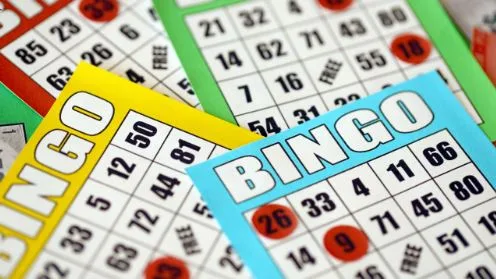
Bingo is one of the most recognizable games at a Filipino perya. Players receive cards containing random numbers and mark the numbers called by the bingo caller. A player wins when the required pattern—often a horizontal, vertical, or diagonal line—is completed and verified.
Why people enjoy it
Bingo is easy to understand and can involve many players at once. The bingo caller often adds jokes, rhymes, or playful expressions when announcing numbers, which gives the game its distinct social energy.
What to expect
Bingo is usually less physically active than the other booths, making it popular with adults, older visitors, and groups of friends. Listen carefully to the announced pattern and check the booth’s rules before joining.
2. Color Game
The Color Game is one of the classic Filipino perya games of chance. A betting table displays several colored spaces, and players choose a color before the operator rolls colored dice. If the selected color appears, the player may receive a payout according to the booth’s posted rules; if it does not appear, the stake is lost.
Descriptions of the traditional game commonly mention six colors and three dice, although the setup can vary. The outcome is determined by the dice rather than by a player’s physical skill.
Why people enjoy it
The rules are quick to learn, each round takes only a short time, and spectators can immediately see the result. The suspense comes from watching the dice land and waiting to see whether a chosen color appears.
A responsible-play reminder
Color Game involves chance. It should not be treated as a way to make money. Decide on a small entertainment budget before playing, never chase losses, and follow the booth’s posted rules and local requirements.
3. Roleta or the Prize Wheel
Roleta is a small roulette-style prize wheel divided into sections. A player spins the wheel and waits for the pointer to stop. Depending on the booth, the sections may correspond to snacks, drinks, candies, toys, household items, or a losing result sometimes called “bokya.”
Why people enjoy it
Roleta is visual, fast, and entertaining even for people who are only watching. The spinning wheel creates a short moment of suspense, while the range of possible prizes makes the booth attractive to children and adults.
Visitor tip
Check what each section represents before paying for a spin. Some wheels award a physical prize, while others may offer a different number of attempts or a smaller item. Ask the attendant to explain anything that is unclear.
4. Drop Ball
In a Drop Ball game, players place a stake on a numbered or labeled card. A ball is released through a funnel or similar track above the table. The player wins if the ball lands in the selected area, according to the booth’s rules.
The result can be influenced by bouncing and movement that the player cannot control, so it is generally a game of chance rather than a test of skill.
Why people enjoy it
The game is simple to follow and the ball’s path creates immediate suspense. Players can watch the ball move from the funnel to the table, while nearby spectators often react to every bounce.
Play with limits
A quick game can become expensive when players keep trying after a loss. Set a fixed limit for the entire visit rather than increasing the amount after every unsuccessful round.
5. Coin Toss and Other Tossing Games
Coin toss games ask players to throw a coin toward a marked area, container, or target. Related booths may use balls, rings, or other small objects. The goal is usually to land the object in the correct place or close enough to qualify for a prize.
Why people enjoy it
These games are inexpensive-looking, quick, and easy for passersby to understand. They also create a feeling that a small adjustment in aim might lead to a win.
How to make it more enjoyable
Treat the game as a brief skill challenge rather than a guaranteed prize opportunity. Watch one round first, check the throwing line, and confirm how a winning position is judged.
6. Ring Toss and Target Games
Ring toss is a familiar perya-style game in which players throw rings toward bottles, pegs, or another target. Some booths use balls instead, while others combine several targets with different prize values.
Other target games include hit-the-can, shoot-the-ball, and balloon-pop activities. A player may be given a limited number of throws, shots, or darts, with the prize depending on the number of successful hits.
Why people enjoy them
Unlike pure chance games, target booths give players a sense of participation and control. Success may depend on aim, timing, distance, and the conditions of the booth, although chance still plays a role.
Visitor tip
Look for the prize and scoring information before starting. A larger or more difficult target may have a different reward, and some booths may use a fixed number of attempts per turn.
7. Shooting Gallery and Balloon Pop
Shooting galleries typically use a toy or pellet gun to hit targets such as cans, plastic figures, or balloons. Balloon-pop booths may use darts to burst balloons attached to a board.
A successful hit may earn candy, a snack, a small household item, or a larger prize depending on the number of targets hit and the booth’s rules.
Why people enjoy them
These games combine a visible objective with a short burst of competition. They are also fun to watch because every shot produces an immediate result.
Safety matters
Only use equipment provided and supervised by the operator. Follow the marked shooting direction, keep the equipment pointed at the target area, and make sure children are playing only under appropriate supervision.
8. Pabitin: A Traditional Prize-Grab Game
Pabitin is a Filipino prize-grab game in which small toys, snacks, candies, or other prizes are attached to a suspended bamboo or wooden frame. The frame is raised and lowered while children try to reach and grab the hanging items.
Pabitin is more commonly associated with Filipino parties, fiestas, and community celebrations than with every traveling perya, but it may appear as part of a family-oriented festival program.
Why people enjoy it
The game is active, highly visual, and designed around the excitement of collecting small prizes. It is also easy for spectators to understand and cheer along with.
Safety and fairness
Pabitin should be organized with enough space, a stable frame, and adult supervision. Organizers should avoid overcrowding and ensure that children do not push, climb, or reach into unsafe areas.
Tips for Playing Games at a Filipino Perya
1. Watch a round before paying
A few seconds of observation can help you understand the objective, number of attempts, prize system, and how the operator decides whether a play is successful.
2. Ask about the price and prize rules
Prices, attempts, and prizes vary from one booth to another. Confirm the cost before handing over money, especially when several people are playing together.
3. Set a small entertainment budget
Some perya games are games of chance, and even skill-based booths may not guarantee a prize. Decide in advance how much you are comfortable spending and stop when that amount is used.
4. Do not chase losses
A losing round does not mean the next round is more likely to win. Avoid increasing your stake to recover money already spent.
5. Choose booths with clear rules
Prefer booths where the price, number of attempts, winning conditions, and prizes are explained clearly. If the rules are confusing, ask questions or choose another activity.
6. Keep children supervised
Crowded fairgrounds, moving rides, equipment, and excited players require attention. Keep young children close and follow the operator’s instructions.
7. Remember that perya games vary by region
A perya in a small provincial town may have a different combination of games from a Christmas fair in Metro Manila or a city-sponsored festival. The variation is part of what makes each perya distinctive.
Why These Games Matter to Filipino Culture
Perya games are more than isolated booth activities. They are part of a larger fiesta experience that brings together families, friends, workers, vendors, and visitors. A game booth can create conversation between strangers, give children a small prize to take home, and provide a shared memory long after the carnival caravan moves to its next location.
They also show how Filipino entertainment combines chance, skill, humor, affordability, and social interaction. Whether someone wins a stuffed toy or simply enjoys watching the dice, wheel, ball, or target, the activity becomes part of the sound and color of the fiesta.
Conclusion
The most popular games at a Filipino perya range from social classics such as bingo to fast-chance games like Color Game, roleta, and drop ball. Visitors may also find coin toss, ring toss, balloon pop, hit-the-can, shooting galleries, and family activities such as pabitin.
Availability and rules vary, so the best way to enjoy a perya is to observe first, ask questions, set a modest budget, and treat every game as entertainment. The real appeal of a Filipino perya is not only the possibility of winning a prize—it is the atmosphere of lights, music, laughter, food, and community that makes the experience memorable.