How Restaurant POS Software Can Simplify Daily Restaurant Operations
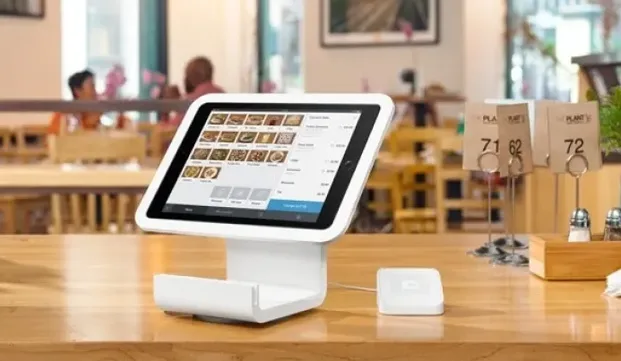
A restaurant may look simple from a customer’s perspective, but running one involves dozens of tasks every day. Employees have to take orders, communicate with the kitchen, process payments, monitor sales, manage inventory, and keep customers satisfied. When these activities are handled through disconnected or manual processes, they can consume valuable time and create unnecessary complications.
Digital technology has changed the way restaurants manage these responsibilities. A modern point-of-sale system can bring several important functions together, helping restaurant teams work more efficiently. Restaurant POS software can simplify daily operations by reducing repetitive tasks, improving access to information, and creating a more organized workflow.
What Does a Restaurant POS System Do?
A restaurant POS system is much more than a tool for accepting payments. Depending on its features, it can support order management, billing, sales tracking, inventory operations, reporting, menu management, and integrations with other restaurant services.
Instead of maintaining separate records for different activities, restaurants can use a centralized system to manage important operational information. This can make everyday processes easier for employees and managers.
Petpooja, for example, provides restaurant-focused technology designed to help businesses manage various aspects of their operations through digital tools.
Making Order Taking More Efficient
Order taking is one of the first steps in the restaurant service process. If orders are recorded incorrectly or information has to be communicated repeatedly, delays can occur.
A digital POS allows employees to enter orders directly into the system. The information can then move through the appropriate workflow, reducing the dependence on handwritten notes and manual communication.
This can be particularly useful during busy periods when staff members are handling several customers at once. Faster and more accurate order entry can help create a smoother experience for both employees and customers.
Simplifying the Billing Process
Once an order is completed, the billing process needs to be quick and accurate. Manually calculating item totals, taxes, discounts, and other charges can take additional time.
A modern restaurant billing software solution can automate many of these calculations. Staff can generate bills using the order information already stored in the system instead of entering the same details again.
This reduces repetitive work and can help minimize calculation errors. A faster checkout process can also be valuable during peak hours when several customers may be waiting to pay.
Improving Communication Between Teams
Restaurants depend on effective coordination between front-of-house employees, kitchen teams, cashiers, and managers.
When information is recorded digitally, relevant staff can access the same order details through the system. This can reduce misunderstandings and help different teams coordinate their responsibilities more effectively.
Better information flow is especially important in busy restaurants where a large number of orders need to be processed within a short period.
Keeping Menu Information Organized
Menus are not always static. Restaurants may change prices, introduce new dishes, remove unavailable items, or modify available options.
Updating this information manually across different records can be inconvenient. A centralized POS system allows businesses to manage menu information digitally and make changes more efficiently.
Keeping prices and menu items updated in one system also helps staff work with consistent information when taking orders and generating bills.
Tracking Sales Automatically
Restaurant managers need to understand what is happening in their business. Sales records provide valuable information, but manually compiling this data can take considerable time.
A POS system records transactions as they take place. This creates an organized digital record that managers can use to review sales activity.
With access to structured sales information, restaurant owners can identify patterns such as busy periods, frequently ordered items, and changes in overall sales activity. This can make routine monitoring much easier.
Supporting Inventory Management
Inventory is another major part of restaurant operations. Businesses need to keep enough ingredients available without unnecessarily overstocking products.
When sales and inventory information can work together, restaurants can gain greater visibility into how products are being used. This can help staff identify stock requirements and make inventory-related tasks more organized.
Digital records can also reduce the need for maintaining multiple manual spreadsheets or paper records, saving employees time.
Reducing Repetitive Administrative Work
Restaurant employees often perform many tasks repeatedly throughout the day. Entering the same information into different records, preparing manual sales summaries, and checking individual transactions can add up to a significant amount of work.
A centralized POS system can automate or simplify several of these activities. Transaction information can be stored automatically, while reports can be generated from existing data.
Reducing administrative workload allows employees to focus more attention on customers and other tasks that require direct human involvement.
Making Payments Easier to Manage
Customers may use cash, cards, or digital payment methods depending on their preferences. Handling different payment types manually can make the checkout process more complicated.
A digital POS system can help staff record payment information within the same transaction workflow. This keeps payment records organized and makes it easier to reconcile transactions later.
For restaurants with high customer volumes, a structured payment process can help reduce congestion around the billing counter.
Helping Managers Access Business Information
Restaurant managers need visibility into daily operations to identify problems and make adjustments. If information is scattered across different systems, finding the right data can take unnecessary time.
A centralized POS platform can provide managers with access to important operational records from one place. Depending on the system, this may include sales data, transaction details, menu information, inventory-related information, and reports.
Having organized data available can make routine monitoring more efficient and reduce the amount of time spent collecting information manually.
Supporting Restaurant Growth
As a restaurant becomes more successful, its operational requirements can also become more complex. A system that works for a small outlet may eventually need to support larger transaction volumes or multiple locations.
Choosing a scalable POS solution can help businesses adapt as their operations expand. Centralized systems can provide a consistent framework for managing transactions and operational information across different outlets.
This can make growth easier to manage without relying entirely on manual processes.
Choosing the Right POS Solution
Restaurants should consider their specific requirements before selecting a POS system. Important factors may include ease of use, order management, billing, reporting, inventory capabilities, payment options, integrations, and scalability.
Staff training is another important consideration. A system should be straightforward enough for employees to learn and use efficiently during busy service periods.
The objective should be to choose technology that genuinely simplifies the restaurant’s workflow rather than adding another complicated process.
Conclusion
Managing a restaurant involves many interconnected responsibilities, and manual processes can make everyday operations slower and more difficult to coordinate. A modern POS system can bring important activities together, from order taking and billing to sales tracking and inventory management.
With restaurant POS software, businesses can reduce repetitive administrative work, improve information flow, and give employees better tools for managing daily tasks. Petpooja is one example of a restaurant-focused technology platform that provides digital solutions for businesses looking to organize their operations.
As restaurants continue to adopt technology, an effective POS system can help create a more structured workflow, improve operational visibility, and give staff more time to focus on delivering a smooth customer experience.