The Studio Element That Quietly Decides Every Shot’s Success
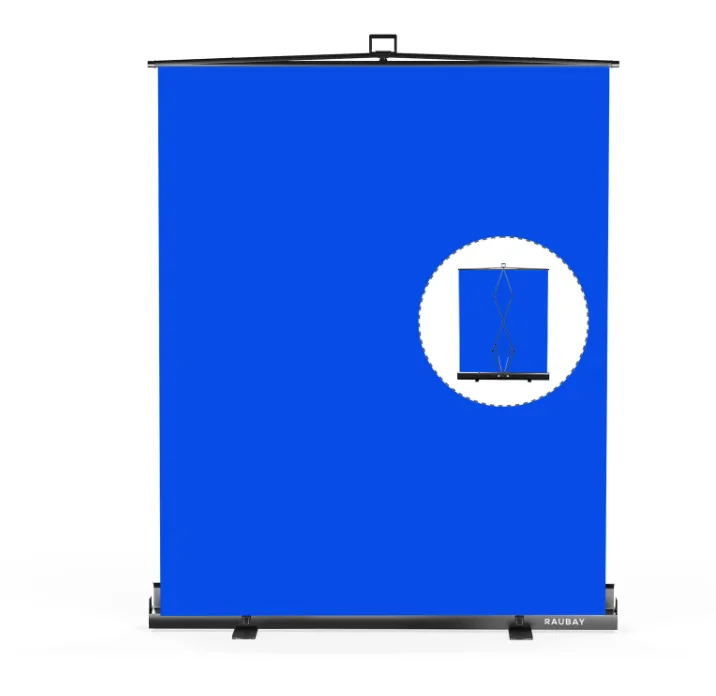
Walk into any working photography studio and you will notice something curious. The cameras get all the attention, the lights get most of the budget, but the surface behind the subject is what actually shapes how every image reads. Backgrounds do more than fill space. They define mood, establish scale, and create the visual context that either pulls a viewer into the frame or pushes them straight past it.
Portrait shooters, product photographers, and video creators all wrestle with the same underlying challenge. The subject needs to stand out cleanly, the space behind needs to feel intentional, and the whole setup needs to hold up shoot after shoot without falling apart. Choosing the right backdrop is not a matter of taste alone. It involves practical considerations around material, size, storage, and how quickly you can switch between looks. Whether you are outfitting a home studio for the first time or refining a commercial space that runs multiple sessions a day, the decisions you make here shape everything that follows.
Why Backdrop Choice Sets the Tone for the Entire Shoot
The surface behind your subject controls contrast, color balance, and how much attention stays on the person or product in front of it. A quality selection of photography backdrops gives you the flexibility to match the mood of each project without rebuilding the studio between sessions. Some jobs call for a clean white infinity look. Others need moody dark tones or textured surfaces that add depth. When your library covers the range, you spend less time compromising and more time capturing what the client actually wants.
Color Psychology in Practice
Every color behind your subject sends a signal before the viewer registers anything else. Neutral gray reads as professional and lets the subject dominate. Deep blues and greens can feel corporate or moody depending on lighting. Warm earth tones bring out skin naturally and work well for lifestyle content. Learning how each color interacts with your typical lighting setup takes some experimentation, but the payoff is knowing exactly which backdrop to pull for each brief.
Texture and Its Role in Perceived Depth
Flat solid colors work for many applications, but textured surfaces add dimension that flat paper never can. Muslin, canvas, and painted materials all catch light differently, creating subtle variations that make images feel less clinical. This matters especially for portraiture and editorial work where a completely flat background can look sterile.
Material Options and What Each One Does Best
The material you choose determines almost everything about how the backdrop behaves in practice. Paper is inexpensive and offers perfectly flat color, but it damages easily and needs replacement often. Fabric options like muslin and polyester are more durable and pack down small, though they wrinkle and require ironing or steaming before serious work. Vinyl provides a wipeable surface useful for food and product shoots where spills are inevitable. Each material has a natural fit.
Seamless Paper for Clean Commercial Looks
Rolled paper mounted on a crossbar remains the industry standard for e-commerce and headshot studios. It provides a truly seamless surface with no seams or wrinkles, and when the edge gets damaged you simply cut off the used portion and pull down fresh material. The trade-off is bulk. A full-width paper roll takes real storage space and cannot travel easily.
Fabric for Portable and Reusable Setups
Muslin and similar fabric backdrops fold small enough to fit in a camera bag, which makes them the go-to choice for location work and small studios. They accept wrinkles as part of their character, which some shooters embrace and others fight with steamers. Higher-grade fabric options resist wrinkling better and hold color more consistently across washes.
Support Systems and How They Affect Workflow
Even the best backdrop material is useless without a way to hang it evenly and change it quickly. Support systems range from simple two-stand crossbar rigs to wall-mounted multi-roll systems that let you switch between four or five options with the pull of a chain. The right choice depends on how often you swap looks during a typical shoot.
For studios that run consistent single-color sessions, a fixed wall-mount or ceiling-mounted rail keeps the setup out of the way and always ready. Roll-based systems from brands like Raubay allow multiple backgrounds to hang simultaneously, so switching from white to black to gray takes seconds rather than minutes. If you frequently work in different locations, a collapsible stand with quick-release clamps travels better and adapts to whatever room you find yourself in. Consider these factors before choosing your support:
- Ceiling height and how much drop you need behind the subject
- Whether the space is dedicated or shared with other activities
- How often you switch backgrounds during a single session
- The weight of your heaviest expected backdrop roll or panel
Maintenance That Keeps Your Backdrops Ready to Shoot
Backdrops take abuse. Shoes track dirt across floor-length paper, muslin gets stepped on and stained, and vinyl accumulates fingerprints from every session. Building a simple maintenance routine extends the useful life of every piece in your library and prevents the panic of pulling out a needed backdrop only to find it damaged. Store rolled paper vertically in dedicated bags to prevent creasing, wash fabric backdrops according to manufacturer instructions before storing them clean, and wipe down vinyl after every use. Small investments in care translate directly into longer-lasting inventory and fewer emergency replacements between shoots.
Building a Backdrop Library That Grows With Your Work
A thoughtful backdrop collection is not built overnight. It grows as your work evolves, one carefully chosen piece at a time, driven by the actual demands of the projects you take on. Start with two or three versatile options that cover the majority of your needs, then expand deliberately as new client requirements reveal gaps in your library. The studios that produce the most polished, consistent work over years are almost always the ones that treat their backgrounds as core equipment rather than afterthoughts. Take care of what you own, choose new additions with purpose, and the surface behind your subject will keep quietly doing its job for shoot after shoot.