The Home Server Setup That Finally Makes AI Feel Like Yours
Cloud AI services have made powerful tools accessible to everyone, but accessibility came bundled with a catch: recurring subscriptions, shifting terms of service, and data sitting on infrastructure you’ll never see. For a lot of people, that arrangement has quietly started to feel backwards. Why rent access to intelligence when the hardware to run it yourself has become genuinely affordable?
A personal ai server answers that question directly. Instead of leasing capability from a distant company, you own the machine, the models, and every byte of data that passes through them. This piece walks through why more people are making this switch, what a practical setup actually looks like, and how to avoid the common pitfalls that make self-hosting feel harder than it needs to be.
Why Ownership Matters More Than Convenience
Subscription fatigue is real, and AI tools have added yet another recurring line item to household budgets. A personal server changes the math from ongoing rental to a single upfront investment, after which usage costs drop to just electricity. For anyone running models frequently throughout the day, that shift pays for itself faster than expected.
Beyond cost, there’s the matter of control. Cloud providers can change pricing, deprecate models, or alter privacy terms with little notice. A server sitting in your own home answers to nobody but you. Documents, photos, and personal notes processed through a locally hosted assistant never leave the building, which matters enormously for anyone who has grown wary of handing sensitive information to yet another SaaS company.
Predictable Performance
There’s also a practical performance angle. Shared cloud infrastructure can slow down during peak hours, while a dedicated home server delivers consistent response times regardless of what everyone else on the internet is doing at that moment.
What Goes Into a Capable Home AI Setup
Building a personal server used to require serious technical know-how, cobbling together separate tools for model serving, storage, and remote access. That’s changed substantially. Compact dedicated hardware built specifically for this purpose now handles the heavy lifting, arriving with the operating environment, containerized apps, and model runtimes already configured out of the box.
The core components remain the same regardless of approach: enough memory to hold the models you want to run, a processor or GPU capable of reasonable inference speed, and storage sized for however much data you plan to keep locally. For most households, a compact unit tucked into a closet or media cabinet handles daily AI workloads without needing a dedicated server room.
Software That Ties It Together
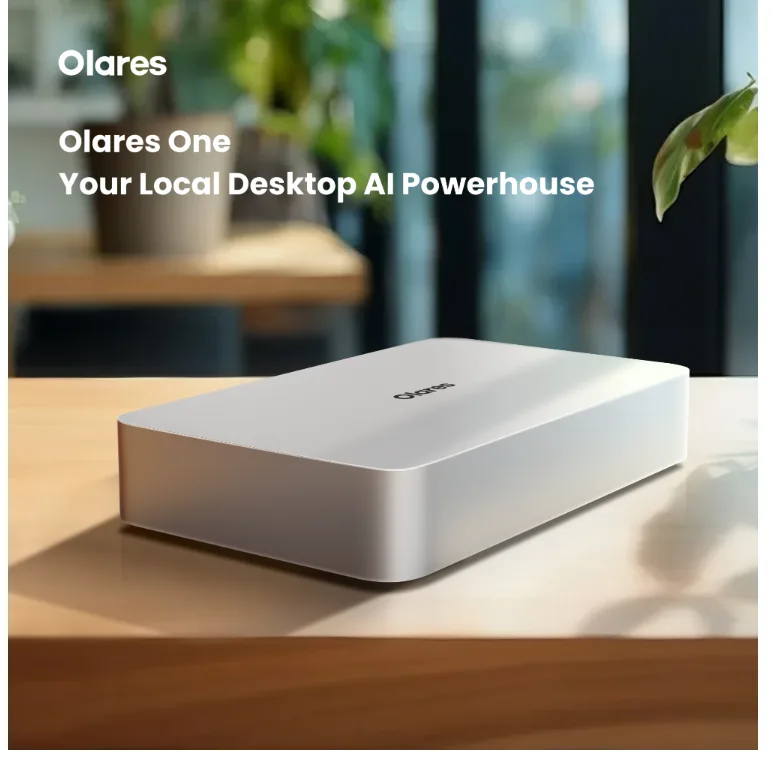
The operating layer matters just as much as the hardware. A platform like Olares One packages app management, storage, and secure remote access into a single system, which removes most of the manual configuration that used to scare people away from self-hosting entirely.
Avoiding the Common Setup Mistakes
The biggest mistake newcomers make is overbuying hardware before knowing what they’ll actually use it for. It’s tempting to chase the largest possible model, but most everyday tasks like document summarization, casual chat, or basic coding help run comfortably on modest hardware. Starting smaller and upgrading only when a real bottleneck appears saves both money and frustration.
The second common mistake involves neglecting remote access planning. A server that only works when you’re on the home network loses much of its appeal. Setting up secure access from day one, rather than treating it as an afterthought, makes the difference between a server you actually use daily and one that ends up forgotten in a closet.
Living With Your Own AI Infrastructure
Once the initial setup is done, daily use starts to feel remarkably normal. Assistants answer questions, summarize documents, and generate drafts just as a cloud tool would, minus the awareness that a company somewhere is logging every request. Over time, many people find they trust the assistant more precisely because they understand exactly where its answers and data are coming from.
Owning Your Corner of the AI Revolution
Running your own AI server isn’t about rejecting convenience, it’s about redefining what convenience should actually look like. With modern hardware and pre-configured software stacks, the barrier that once kept self-hosting in the realm of hobbyists has largely disappeared. What’s left is a genuinely practical option for anyone who wants capable AI tools without an ongoing subscription or a stranger’s server holding their data.
The technology has matured enough that building this setup no longer feels like a weekend project gone wrong. It feels like owning a piece of infrastructure that finally works entirely for you.