How Much Does Botox Cost? Units, Prices and How Long Results Last
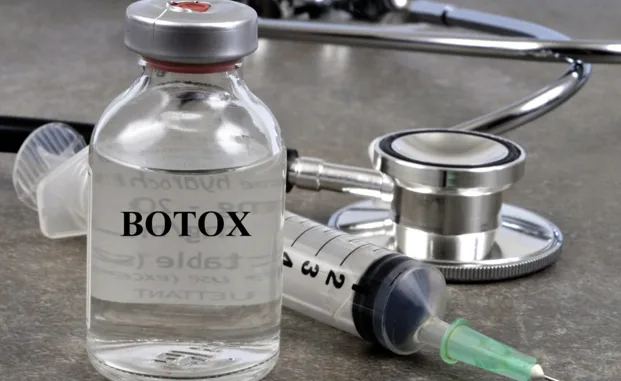
Botox is the most popular cosmetic treatment in the United States, yet most people searching for it still cannot answer the question that matters most before booking: what will this cost me?
The answer depends on units, not visits, and once you understand how clinics price those units, you can estimate your bill within a few dollars before you walk in.
This guide breaks down what Botox costs. How many units common areas need, how long results last, and how to budget for a full year of treatment.
Key Takeaways
- Neuromodulator injections such as Botox and Dysport were the most performed minimally invasive cosmetic procedure in the U.S. in 2024, with 9,883,711 treatments, according to the American Society of Plastic Surgeons (ASPS).
- The ASPS reported an average physician fee of $435 per neuromodulator treatment in 2023.
- Most clinics price Botox per unit. The number of units depends on the area treated and the strength of your muscles.
- Results typically appear within 3 to 5 days and last about 3 to 4 months, so the real cost is an annual one.
How Popular Is Botox?
Demand keeps rising. The ASPS counted 9,883,711 neuromodulator procedures in 2024, a 4% increase over 2023. That made neuromodulators the top minimally invasive procedure by volume, well ahead of hyaluronic acid fillers at 5,331,426 procedures.
Popularity matters to your wallet for one reason: competition.
In metro areas with many providers, pricing varies widely, and the cheapest quote is not always the lowest final bill.
How Botox Pricing Works
Clinics use one of two pricing models:
| Pricing Model | How It Works | What to Watch For |
| Per unit | You pay a set price for each unit injected | Ask how many units your provider expects to use |
| Per area | You pay a flat fee for a zone such as the forehead | Ask how many units the flat fee includes |
Per-unit pricing is the more transparent of the two, because you can check the math. A per-area price can look lower but may cover fewer units than you need, which leads to a touch-up charge two weeks later.
How Many Units Do Common Areas Need?
The FDA-approved labeling for Botox Cosmetic lists these standard doses:
| Treatment Area | Standard Dose |
| Frown lines between the brows (“11s”) | 20 units |
| Crow’s feet (both sides) | 24 units |
| Forehead lines | 20 units, typically treated with frown lines |
Your provider may use more or fewer units based on muscle strength, sex, and the look you want. Stronger muscles, which are common in men, often need higher doses. Some patients start lower to keep more natural movement.
What Botox Costs, Area by Area
At a per-unit price of $14, here is what standard doses work out to:
| Treatment | Units | Estimated Cost at $14/Unit |
| Frown lines | 20 | $280 |
| Crow’s feet | 24 | $336 |
| Frown lines + forehead | 40 | $560 |
| Frown lines + crow’s feet | 44 | $616 |
| Frown lines + forehead + crow’s feet | 64 | $896 |
For comparison, the ASPS national average fee of $435 falls between a single-area and a two-area treatment at that rate.
How Long Does Botox Last?
Most people see results within 3 to 5 days, with the full effect at around two weeks. The smoothing effect typically lasts about 3 to 4 months, as nerve signals to the muscle gradually return.
That timeline is why annual cost matters more than a single visit:
| Areas Treated | Cost per Visit | Visits per Year | Annual Cost |
| Frown lines only | $280 | 3 to 4 | $840 to $1,120 |
| Frown lines + crow’s feet | $616 | 3 to 4 | $1,848 to $2,464 |
| Three areas | $896 | 3 to 4 | $2,688 to $3,584 |
Some patients stretch intervals over time, since regular treatment can weaken the muscle. Your provider can tell you whether a longer gap makes sense for you.
What Else Affects the Price?
- Botox, Dysport, Xeomin and other neuromodulators are dosed differently, so unit counts cannot be compared one to one across brands.
- Provider credentials. Treatments by physicians, physician assistants and nurse practitioners may carry different pricing than those by other licensed staff working under supervision.
- Additional areas. A lip flip, brow lift or jaw (masseter) treatment adds units.
- Many clinics offer memberships or seasonal specials that lower the per-unit price for regular patients.
- Touch-ups. Ask whether a two-week follow-up is included or billed separately.
How to Get an Accurate Quote
- Ask for the per-unit price in writing. If a clinic quotes by area, ask how many units the price includes.
- Ask how many units your provider expects to use. A good injector will estimate after assessing your muscles at rest and in motion.
- Confirm the product. Make sure the quote is for the brand you expect.
- Ask about follow-up. Know the cost of a touch-up before you need one.
- Budget for the year, not the visit. Multiply your per-visit cost by three or four.
Getting Botox in the Denver Area
The per-unit method above is easiest to apply when a clinic publishes its price, and not every med spa in the Denver metro does. Bare Radiance Aesthetics, which operates in Westminster and Thornton just north of Denver in Adams County, Colorado, is one practice that lists its pricing upfront at $14 per unit, which is the rate used in the tables above. The clinic states that most patients see results within three to five days and that results last about three to four months, in line with the timeline in this guide. It also sets unit counts during a consultation based on the areas treated and the strength of each patient’s muscles rather than quoting a flat fee. For anyone comparing Botox Denver CO prices, that combination of a published per-unit rate and a consultation-based unit count lets you estimate your bill with the tables above before booking.
Bottom Line
Botox pricing makes sense once you think in units. Find the per-unit price, ask how many units you need, and multiply by three or four visits a year. With those three numbers, you can compare clinics on real cost rather than advertised specials and plan a budget that holds up past your first appointment.
This article is for general information and is not medical advice. Talk with a licensed provider about whether neuromodulator treatment is right for you.