How to Print a Custom Newspaper with Eco-Friendly Methods
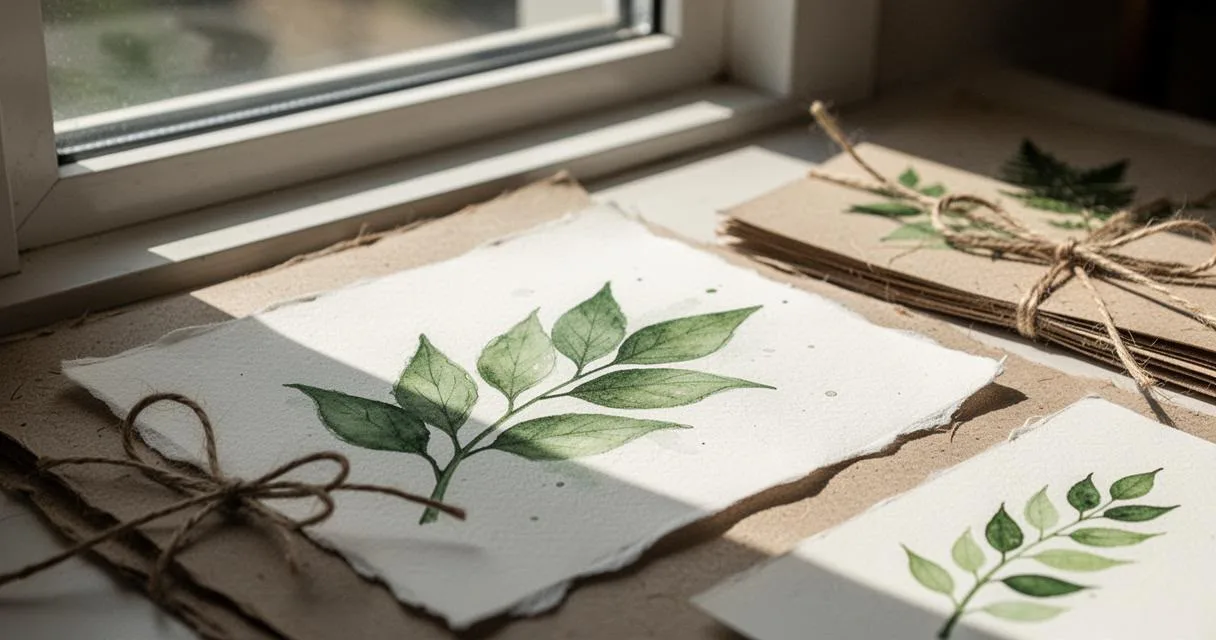
Producing a custom newspaper no longer means accepting a heavy environmental toll. From the paper stock to the inks and the way pages are finished, every stage offers an opportunity to lower the impact of your publication while still achieving a crisp, professional result. Whether you’re planning a tabloid for a school project or a broadsheet for a community event, understanding the greener options available can help you make choices that feel good and look good too.
What to know
- Sustainable newspaper production is achievable by choosing eco-friendly materials, such as recycled or FSC-certified paper, to reduce environmental impact.
- Switching to vegetable-based or water-based inks significantly lowers the emission of volatile organic compounds compared to traditional petroleum-based inks.
- Modern digital printing and energy-efficient technologies like LED curing minimize material waste and energy consumption during the production process.
- Adopting print-on-demand services and smart layout designs prevents overproduction by ensuring that only the necessary number of copies are printed.
- Collaborating with transparent, green-certified print suppliers ensures that waste management and renewable energy practices are prioritized throughout the project.
- Suppliers like Print NewsPaper provide professional custom printing options that allow for small-batch runs using sustainable resources without compromising on print quality.
Why choose sustainable materials for your custom newspaper
When you work with Print NewsPaper or any other supplier, the paper you select sets the tone for the entire project’s environmental footprint. Traditional newsprint production consumes considerable energy and contributes to deforestation pressures, since the paper industry as a whole accounts for a notable share of manufacturing energy use across the sector. Landfill space is another concern, as paper and cardboard together make up a substantial portion of general waste, which is why choosing responsibly sourced materials matters more than ever.
Recycled paper offers a compelling alternative, blending post-consumer fibres with virgin stock sourced from sustainably managed forests to keep the paper cycle turning without depleting natural resources. Look out for FSC-certified options, which guarantee that the wood pulp used comes from forests managed with long-term ecological balance in mind. Some suppliers now produce sheets made entirely from post-consumer waste, and recycled paper can save a significant amount of the energy that would otherwise be needed to manufacture new stock from scratch. Uncoated recycled paper also tends to have a natural, tactile feel that suits newspaper formats particularly well and is straightforward to recycle again once its life is over.
Which eco-friendly printing techniques reduce your carbon footprint
Beyond the paper itself, the inks and processes used during printing play a decisive role in how sustainable your custom newspaper truly is. Vegetable-based inks, often derived from soy or other plant oils, break down far more readily than petroleum-based alternatives and release fewer volatile organic compounds into the air. Water-based inks follow a similar principle, cutting harmful emissions considerably compared with conventional formulations and helping to protect indoor air quality during production. These plant-derived and water-based options are increasingly favoured by print shops that want to reduce their chemical footprint without compromising on colour vibrancy or print clarity.
Energy-efficient printing processes are equally important. Digital printing, for instance, removes the need for traditional printing plates altogether, which means less material waste and a faster turnaround for shorter runs. Some modern presses can also recycle a large proportion of their operational waste and achieve meaningful reductions in carbon emissions through careful process design. Waterless printing methods, along with LED-based curing technology that dries ink almost instantly using less power, are further innovations helping the industry move toward genuinely energy efficient printing. Smart layout design and print-on-demand approaches also help by minimising offcuts and ensuring that only the copies actually needed are produced, reducing waste at the source rather than trying to manage it afterwards.
How to Work with a Green Printer for Your Custom Publication
Choosing the right partner is just as important as choosing the right materials. Before committing to a print run, it’s worth asking direct questions about environmental certifications, the type of paper stock on offer, and whether the inks used are genuinely biodegradable or simply marketed as such. A trustworthy supplier should be able to explain clearly how their processes reduce waste, whether through recycling programmes, renewable energy use, or efficient press technology that limits offcuts and excess material.
Print NewsPaper, which has been operating since 2015, prints its custom newspapers in France using water-based inks and recyclable paper, offering both tabloid and broadsheet formats to suit different projects. Customers can order starting from just a single copy, which suits smaller community or family projects just as well as larger corporate or school publications, and free sample packs are available for those who want to check the paper quality before committing. A paper proof option also allows for a final check before the full run goes ahead, giving an extra layer of confidence in the finished product.
Balancing print quality with sustainable practices doesn’t have to mean compromise. Templates covering weddings, schools, corporate updates and community news make it simple to design a publication that looks polished while still relying on eco-conscious design principles. Delivery is handled by courier and typically arrives within two to five business days, with worldwide shipping available and secure payment options including card and bank transfer. Customer service responds within twenty-four hours, which is reassuring when working to a tight publication deadline. Testimonials from customers highlight satisfaction with how quickly any issues are resolved, reflecting a supplier that takes both quality and sustainability seriously. By paying attention to paper sourcing, ink choice and the practices of your chosen printer, it becomes entirely possible to produce a custom newspaper that tells your story without leaving an unnecessary environmental mark.