How to Choose an Electric Pizza Oven for Your Kitchen
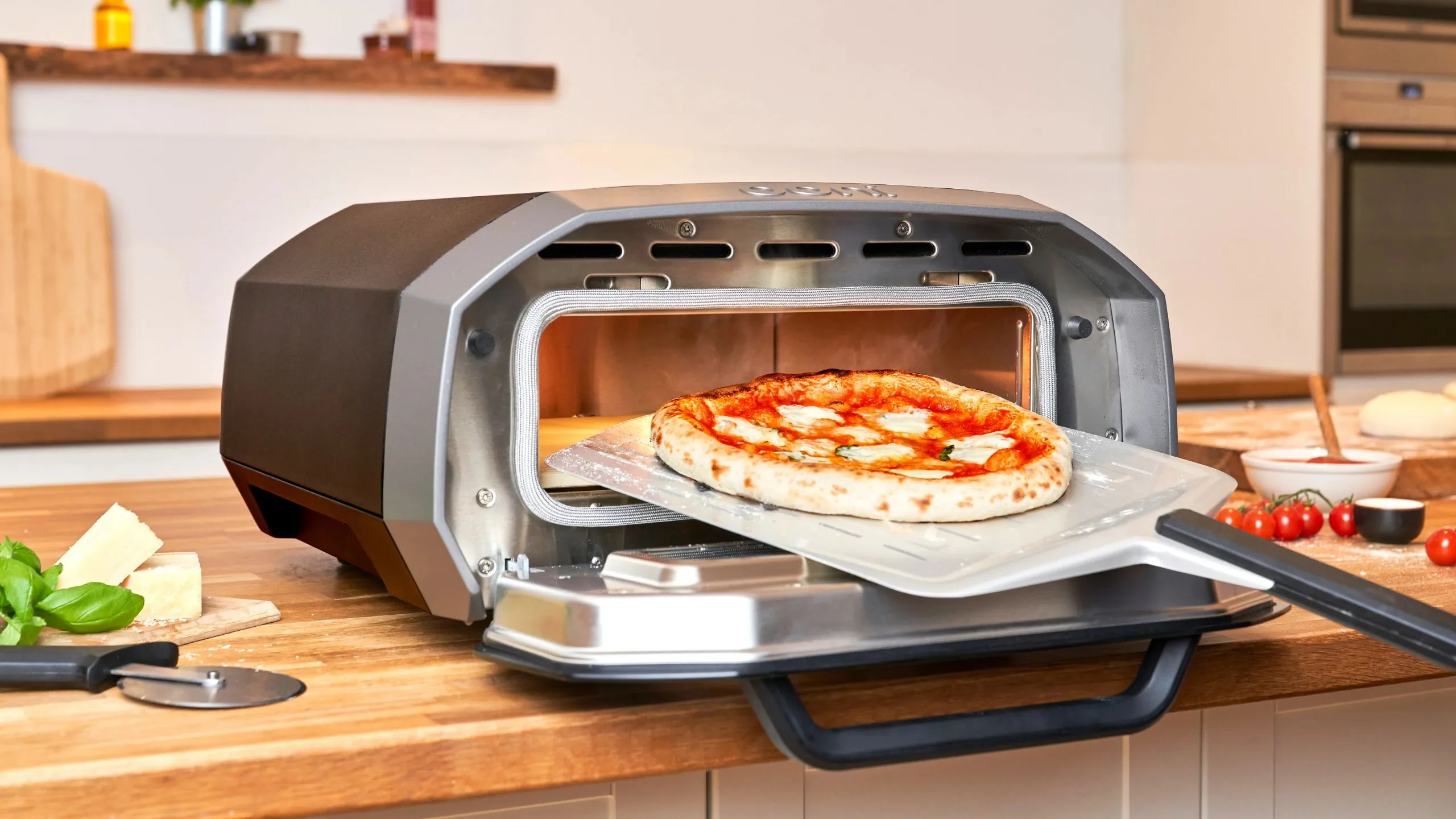
Making restaurant-style pizza at home does not always require an outdoor kitchen or a propane tank. An electric pizza oven can bring high-temperature pizza cooking directly to the kitchen countertop, making it an appealing option for apartment residents, home cooks, and families who prefer indoor preparation.
Unlike gas or wood-fired outdoor ovens, an electric model connects to a standard electrical supply and uses heating elements to generate cooking heat. This creates a controlled indoor cooking environment and removes the need to manage propane, pellets, or wood.
However, electric pizza ovens are available with different controls, sizes, heating systems, and cooking programs. Choosing the right model requires more than simply looking at the maximum temperature.
What Is an Electric Pizza Oven?
An electric pizza oven is a specialized appliance designed to cook pizza at higher temperatures than many conventional kitchen ovens.
It typically uses heating elements above and below the cooking surface. The lower element helps heat the pizza stone and cook the crust, while the upper element contributes to browning the cheese and toppings.
This combination can create a more dedicated pizza-cooking environment.
A countertop design is particularly convenient because it does not require permanent installation. After the oven has cooled, it can be stored or folded away if the model supports that design.
Why Choose an Indoor Pizza Oven?
There are several reasons people choose an indoor pizza oven.
First, indoor cooking is convenient throughout the year. Weather does not have to determine whether pizza night happens.
Second, an electric appliance eliminates the need for an outdoor fuel source.
Third, countertop placement can make the oven accessible to people who live in apartments, smaller homes, or properties without suitable outdoor cooking space.
The most important consideration is always the manufacturer’s installation and operating requirements. Adequate ventilation, electrical capacity, countertop clearance, and heat management should be considered before use.
Understanding the 14-Inch Size
A 14-inch pizza oven offers a useful balance between cooking capacity and countertop footprint.
A larger pizza means more food per cooking cycle, which can be helpful for families. At the same time, the appliance does not necessarily require the space associated with a large outdoor oven.
The actual usable cooking area should always be checked before buying. Pizza diameter and stone dimensions are related but are not necessarily identical.
If you regularly prepare pizzas for several people, consider how many pizzas you need per meal and how quickly you want to cook them.
Preset Controls vs. Manual Controls
One major difference between electric ovens is how they are controlled.
Preset programs can simplify the cooking process. Instead of manually determining temperature and timing, the user can select a cooking style and follow the appliance’s programmed settings.
This can be useful for beginners or households where different people use the oven.
Manual controls provide a different experience. They allow the cook to choose temperature and cooking time based on personal preference.
Experienced cooks may prefer manual control because different dough types and toppings can require adjustments.
Neither approach is universally right. The better option depends on how much control you want.
The Value of Dual Heating Elements
Dual heating elements can improve flexibility.
Pizza requires heat from both above and below. The bottom needs enough energy to cook and crisp the dough, while the top needs enough heat to melt cheese and develop color.
If the balance is incorrect, the crust may finish before the toppings or the toppings may brown while the bottom remains soft.
Separate upper and lower heating elements provide a way to manage this relationship.
Removable Pizza Stones
A pizza stone is an important part of the cooking process because it absorbs heat and transfers it into the dough.
A removable stone can also simplify maintenance.
After the oven cools completely, the stone can be removed according to the manufacturer’s instructions and cleaned appropriately. It is important to avoid methods that can damage the stone.
Never treat a pizza stone like ordinary cookware. Sudden temperature changes and excessive moisture can create problems.
Fold-Up Designs and Small Kitchens
Countertop space is valuable, especially in compact kitchens.
A fold-up design can make storage easier when the oven is not being used. This can be helpful for people who do not want a permanent appliance occupying their countertop.
Before buying, measure the available surface and storage area.
Remember that operating clearance can be different from storage dimensions. An oven may fold down for storage but require additional space around it while operating.
Cooking More Than Pizza
A countertop pizza oven can often be used for more than pizza.
Depending on the model’s instructions and temperature capabilities, cooks may prepare foods such as:
- Flatbreads
- Baguettes
- Small baked dishes
- Pies
- Chicken wings
- Roasted vegetables
- Other suitable baked foods
The appliance should always be used according to its intended purpose and manufacturer’s instructions.
This versatility can make an electric pizza oven more valuable than an appliance used only once a month for pizza.
Preparing Pizza for an Electric Oven
Great results begin with the dough.
Allow the dough to reach an appropriate temperature before stretching. Avoid using excessive flour because loose flour can burn on a hot cooking surface.
Spread sauce evenly but avoid overloading the pizza. Too much sauce or too many toppings can introduce excess moisture.
Cheese and toppings should be distributed evenly so that the pizza cooks consistently.
Use a suitable peel to transfer the pizza onto the stone.
Preheating the Oven
Preheating is essential.
The cooking surface needs enough time to absorb heat before the pizza is launched. Putting a pizza onto a cold or insufficiently heated stone can result in a pale or soft bottom.
Follow the recommended preheating process for your model.
A built-in temperature display or indicator can help, but remember that the surface temperature may behave differently from the air temperature.
Cleaning and Maintenance
Always unplug an electric pizza oven before performing appropriate cleaning and allow it to cool.
Do not pour water into the appliance.
Food residue should be removed according to the manufacturer’s instructions. The removable stone should be handled carefully.
The exterior can generally be wiped with an appropriate cloth, but heating elements and electrical components should be protected from moisture.
Regular cleaning helps keep the appliance ready for the next pizza night.
Electric Pizza Oven vs. Conventional Oven
A conventional oven is designed for general baking, roasting, and cooking. An electric pizza oven is more specialized.
The dedicated design focuses on pizza-related temperatures, stone baking, heating balance, and compact cooking.
For someone who makes pizza frequently, the specialized appliance may offer a more convenient workflow.
For someone who only makes pizza occasionally, a conventional oven may already meet their needs.
The decision therefore depends on frequency, desired results, available space, and cooking preferences.
Stainless Steel or Black Finish?
Aesthetic considerations can also matter.
A stainless-steel finish can provide a modern appearance and may suit kitchens with stainless appliances. A black finish can blend into a wider range of kitchen designs.
The more important difference, however, is usually the control system and functionality rather than exterior color.
Compare temperature range, heating controls, cooking programs, stone size, storage design, and accessories before focusing on appearance.
Choosing the Right Electric Pizza Oven
When comparing models, consider:
- Maximum pizza size
- Temperature range
- Upper and lower heating elements
- Preset programs
- Manual control
- Stone material
- Removable components
- Countertop footprint
- Storage requirements
- Electrical requirements
- Cleaning process
The electric pizza oven collection from Big Horn Outdoors provides 14-inch countertop formats for cooks who want dedicated indoor pizza preparation.
Conclusion
An electric pizza oven can be an excellent addition to a home kitchen when convenience, controlled heating, and countertop cooking are priorities.
The 14-inch format offers useful cooking space without requiring the footprint of a large outdoor appliance. Features such as dual heating elements, preset modes, manual controls, removable stones, and fold-up construction can further improve the cooking experience.
The key is to choose an oven based on how you actually cook. If you prefer guided programs, look for a model with presets. If you like experimenting with dough and toppings, manual controls may be more appealing.
Big Horn Outdoors also offers a broad selection of outdoor cooking equipment for cooks who want to move beyond indoor pizza and explore grills, outdoor ovens, camping stoves, and other cooking solutions.
With the right electric pizza oven, homemade pizza can become a convenient part of your regular kitchen routine rather than an occasional project.