Why Setting Compatibility Matters More Than a Pretty Diamond Photo
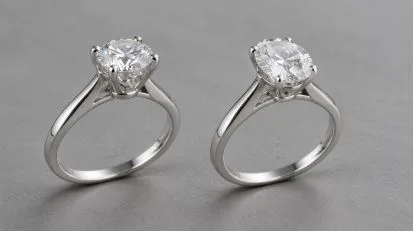
A beautiful diamond photo can start a purchase, but it cannot finish the design choice. The picture may use flattering light, and it cannot show if the stone fits a certain basket, halo, bezel, or band. Setting compatibility is what links your stone to a ring you can wear with confidence. If you want help with this, you can start with NUVU and ask for a review based on measurements.
Photos still help you shop. They just should not be the last step before production starts.
Why Do Measurements Come Before Metalwork?
Length, width, and depth guide the size of the setting. They also decide where the prongs sit. A stone that is a little longer or deeper than planned may need a different basket or a new CAD model.
Depth gets missed more than the other two. A deep stone can sit too high or need a taller basket. That changes how the ring looks and how often it catches on things.
That is why you should confirm the exact stone before the setting is final. If the stone changes later, the design may need changes too. A new stone is not a simple swap for the old one.
Ask for the measurements in writing and keep them with the design file. This makes it easy to spot a mismatch early, before any metal is cast.
How Does Shape Affect Protection?
Round diamonds have an even outline. Pear, marquise, and princess shapes have points or corners that need extra care. These are the weak spots, so the setting has to guard them.
A bezel can cover an edge, but it also changes the outline you see. Prongs can protect a point, yet their placement and thickness change the look. Each choice has a cost and a benefit.
Corners are where most chips happen. A pear or marquise often gets V shaped prongs to guard its tip. A princess cut usually gets a prong at each corner.
A halo needs extra space and careful alignment. Side stones need their own seats, and the center stone has to stay balanced in the layout. The design should hold the stone safely without hiding what made you choose it.
The setting styles guide is a simple way to compare common options before you book a custom consultation. It helps you show up with a few styles already in mind.
How Do Profile and Comfort Change the Choice?
A high setting has a strong look, but it can catch on clothing and feel less practical for some people. A low setting is often snug and secure. It may leave little room for a wedding band, and some shapes are harder to see from the side.
Ask to see the profile, not only the top view. Also think about these points:
- Finger size
- Work habits
- Daily activities
- Other rings or pieces worn with it
A ring that looks perfect on a screen can feel wrong after one busy week. Comfort decides how often it gets worn.
Picture the wearer on a normal day. Someone who types, lifts, or works with their hands all day needs a different ring than someone who wears it only on weekends.
How Do You Match the Whole Composition?
Metal color, accent stone size, band width, and center stone color should work as a team. A very white center stone can look different in yellow gold than in platinum. A halo can change how big the center stone seems.
A wide band can also make a delicate stone look smaller. These are design relationships, not fixed rules.
The best way to judge them is to compare the real stone with the proposed design. Ask for close photos or renderings that show your actual stone in the setting.
Try to see the stone and the design in the same light. A render can look different from a photo, so compare both before you decide.
What Should Be on a Written Approval Checklist?
Before production starts, confirm these items in writing. Both sides should agree on every line.
- Exact stone identity and measurements
- Setting style and material
- Prong, bezel, or halo details
- Ring size and band width
- Setting height and profile
- Side stone specifications
- Finish and delivery needs
A good design partner will explain the pros and cons instead of pushing one style for everyone. If a reply sounds like a sales line, ask again for details.
Keep a signed copy of the final approval. If a question comes up later, you have a clear record to point to.
The best setting is not the one that looks good in a photo. It is the one that protects the stone, supports the look you want, and stays comfortable for the person who wears it.
Frequently Asked Questions
Which ring setting makes a diamond look bigger?
Halo settings and thin bands usually make a center stone look larger. A wide band can make the same stone look smaller.
What is the most secure setting for a diamond ring?
Bezel settings are often the most secure because metal wraps around the edge of the stone. Prongs show more of the diamond, but they need regular checks.
Can any diamond fit in any setting?
No. The shape and size of the stone must match the seat in the setting, or the diamond may not sit safely.
Does the setting change how a diamond looks?
Yes. Metal color, height, and style all change how the stone looks when worn.