The Rise of At-Home Skincare: How Micro-Infusion Is Changing Everyday Beauty Routines
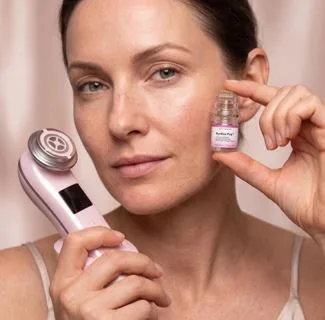
Modern skincare is moving beyond complicated beauty routines and occasional salon appointments. Today, consumers are increasingly interested in practical solutions that can fit into busy lifestyles while still supporting healthier-looking, smoother, and more radiant skin. At-home skincare technology is becoming part of this shift, giving people new ways to care for their skin without making professional treatments the only option.
One of the technologies attracting attention is the lumo-microinfuser, a home-use micro-infusion device designed to complement a consistent skincare routine. When used correctly and according to the manufacturer’s directions, micro-infusion can become an interesting addition to a broader approach that includes cleansing, moisturizing, sun protection, and carefully selected skincare products.
Why At-Home Skincare Is Becoming More Popular
Busy schedules have changed the way people approach personal care. Between work, family responsibilities, travel, and social commitments, finding time for lengthy beauty appointments can be challenging. This has encouraged consumers to look for convenient skincare options that can be incorporated into their existing routines.
At-home skincare does not necessarily mean replacing professional dermatological care. Instead, it can provide an additional layer of personal care between professional appointments. The most effective routines generally focus on consistency rather than using numerous products at once.
For many people, the goal is simple: maintain skin that looks fresh, hydrated, smooth, and well cared for without spending hours on a complicated routine.
Understanding Micro-Infusion Technology
Micro-infusion is a skincare approach involving a device with very fine contact points that interact with the outer layers of the skin. Depending on the device and its intended use, the technique may be designed to support the application of topical skincare products.
The concept has become increasingly interesting to consumers because it combines skincare products with a device-based routine. However, it is important to understand that results can vary from person to person, and at-home devices should always be used according to their specific instructions.
Micro-infusion should also not be confused with medical procedures performed by qualified professionals. Individuals with active skin conditions, significant irritation, infections, or other concerns should consider speaking with a qualified healthcare professional before introducing a device-based treatment.
Building a Simple Home Skincare Routine
A sophisticated device cannot replace the basics of good skincare. A strong home routine should begin with fundamental habits.
1. Start With Gentle Cleansing
Cleansing helps remove dirt, excess oil, makeup, and environmental residue from the skin. A gentle cleanser is often preferable to aggressive products that may leave the skin feeling excessively dry or irritated.
The objective is not to make the skin feel “squeaky clean.” Instead, cleansing should leave the skin comfortable and ready for the next steps.
2. Keep the Skin Hydrated
Moisturizing is another important part of everyday skincare. A suitable moisturizer can help support the skin barrier and reduce the uncomfortable feeling associated with dryness.
People with oily skin should not automatically avoid moisturizers. Instead, they can look for lightweight formulations that suit their skin type.
3. Don’t Forget Sun Protection
Daily sun protection is one of the most important elements of a long-term skincare routine. UV exposure can contribute to premature visible skin aging and pigmentation changes.
Using a broad-spectrum sunscreen as directed can help protect the skin during everyday outdoor activities. Sun protection is particularly important when using skincare routines that may increase skin sensitivity.
Where Micro-Infusion Can Fit Into a Routine
For consumers interested in incorporating a micro-infusion device, the most important consideration is how it fits into an existing routine.
A product such as Even Skyn can be considered as part of a broader at-home skincare approach rather than a substitute for fundamental skincare habits.
Before using any device, users should carefully read the manufacturer’s instructions. Skin should be appropriately prepared, and the device should be used only as frequently and in the manner recommended.
It is also important to avoid applying unfamiliar or potentially irritating products immediately after a device-based treatment without understanding whether they are appropriate for that use.
Choosing Products for Your Skin Type
Not every skincare product works equally well for every person. Skin can differ considerably in terms of oiliness, dryness, sensitivity, texture, and tendency toward breakouts.
For Dry Skin
People with dry skin may prefer products focused on hydration and barrier support. Ingredients commonly associated with moisturizing routines include humectants, emollients, and occlusive ingredients.
For Oily or Combination Skin
Those with oily or combination skin may prefer lighter textures that do not feel excessively heavy. However, oily skin can still become dehydrated, so avoiding all moisturizing products is not necessarily helpful.
For Sensitive Skin
Sensitive skin requires additional caution. Introducing several new products at once can make it difficult to determine which product is responsible if irritation occurs. A gradual approach is often easier to manage.
The Importance of Consistency
One of the biggest mistakes people make with skincare is expecting immediate transformation. Healthy-looking skin is generally supported by consistent habits rather than one-time treatments.
A practical routine might include cleansing, moisturizing, sun protection, and carefully selected treatments that are appropriate for the individual’s skin. Device-based skincare can potentially be added when the user understands how to operate the device safely.
Keeping the routine manageable can also make it easier to follow consistently. A five-step routine that someone follows regularly may be more practical than a fifteen-step routine that becomes overwhelming after a few weeks.
At-Home Skincare and Professional Guidance
Technology has made skincare more accessible, but it has not eliminated the importance of professional advice. Persistent acne, unexplained changes in pigmentation, painful inflammation, unusual growths, infections, or significant skin irritation should be evaluated by an appropriate healthcare professional.
Similarly, people who are pregnant, taking certain medications, recovering from dermatological procedures, or managing a known skin condition should seek appropriate guidance before introducing new treatments or devices.
For readers interested in broader beauty and lifestyle coverage, exploring other health and wellness topics on Big News Network can provide additional context around changing consumer trends and personal-care habits.
A More Practical Approach to Modern Skincare
The growing interest in at-home skincare reflects a larger shift in how people think about beauty and personal wellness. Instead of relying exclusively on occasional treatments, consumers are increasingly building routines that fit their everyday lives.
Micro-infusion technology is one example of this trend. When used responsibly and as directed, devices such as the lumo-microinfuser can become part of a structured home skincare routine.
The key is to keep expectations realistic. Good skincare is not simply about owning the newest device or using the largest number of products. It is about understanding your skin, choosing appropriate products, protecting it from environmental stressors, and maintaining consistent habits.
Ultimately, modern at-home skincare works best when technology supports—not replaces—the fundamentals. A thoughtful routine, proper product selection, sun protection, and professional guidance when necessary can help consumers take a more informed and sustainable approach to caring for their skin.