From Image Creation to Digital Protection: A Smarter Workflow for Modern Creators
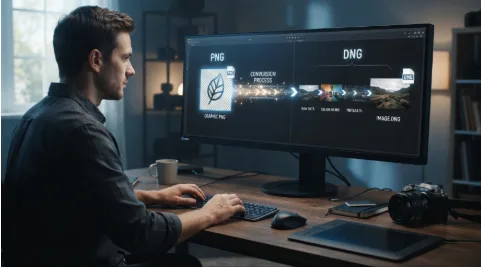
Digital images have become essential working assets for photographers, graphic designers, marketers, content creators, agencies, and small businesses. A single project can involve screenshots, logos, illustrations, product images, social media graphics, client previews, and photographs in several different formats.
The challenge isn’t simply creating good images. It’s managing those files properly after they’re created.
A practical workflow should make images easy to convert, organize, edit, share, and protect. It should also reduce unnecessary software installation and repetitive manual work. When these pieces are connected, creators can spend more time on creative work and less time dealing with file-format problems or unauthorized use.
Why Image Format Matters More Than It Seems
Different image formats serve different purposes. PNG is widely used for graphics that need transparency and lossless compression, making it useful for logos, icons, illustrations, and web assets. JPEG is common for photographs because it offers relatively small file sizes and broad compatibility.
DNG, or Digital Negative, takes a different approach. It is an open-standard RAW image format associated with professional photography and image workflows. For certain projects, moving images into a consistent DNG-based workflow can make organization and editing easier.
For example, someone managing a collection of web graphics may need a png to dng workflow when those assets need to be incorporated into a more structured imaging environment. A browser-based converter can be useful when the goal is simply to handle the format change without installing another desktop application.
The important point is to understand the purpose of the conversion rather than converting files simply because a different extension sounds more professional.
Converting Multiple Image Formats Into a Consistent Workflow
Creative projects rarely contain only one file type. A designer might receive PNG brand assets from a client, JPEG photographs from a photographer, and HEIC images from a mobile device.
Managing each format separately can create unnecessary friction.
A broader jpg to dng converter can help when standardizing supported image files into a DNG-oriented workflow. The same type of workflow can also be useful when working with JPEG files from cameras, phones, or existing image libraries.
There is another common variation worth considering: jpeg to dng conversion. JPEG and JPG are essentially different filename extensions for the same widely used image format, so the underlying workflow is similar.
The practical benefit comes from reducing repetitive file handling. Instead of searching for a separate application for every image type, creators can use a centralized online workflow where supported files can be processed in batches.
That matters particularly for agencies and freelancers who regularly prepare large groups of assets for clients.
Conversion Isn’t the Same as Improving an Image
One important distinction is often overlooked. Changing an image container or format doesn’t automatically turn a low-quality image into a high-quality original.
If a heavily compressed JPEG is converted to another format, the conversion cannot recreate photographic information that was already lost. Similarly, converting a PNG into DNG doesn’t magically make it equivalent to a RAW file originally captured by a camera.
Good file management therefore begins with realistic expectations.
The right question isn’t simply, “Which format is better?” It is, “Which format makes sense for this particular workflow?”
For web publishing, PNG or JPEG may be perfectly appropriate. For professional editing, archival organization, or compatibility with a particular application, another format may make more sense.
The Other Side of the Problem: Protecting Creative Work
File management solves only one part of the modern creator’s problem.
Once an image is published online, it can potentially be copied, modified, redistributed, or reused without permission. This is particularly frustrating for designers who create original logos, illustrations, templates, advertisements, product graphics, and client previews.
Traditional approaches such as visible watermarks can still provide a basic deterrent, but they aren’t a complete protection strategy. A determined user may crop, obscure, or remove a visible watermark.
This is where digital asset protection becomes a separate part of the workflow.
According to its published guide, GFXRobotection AI Software by GFXMaker is designed around protecting creative assets through technologies such as digital fingerprinting, metadata, monitoring, alerts, and controlled sharing.
The concept is particularly relevant to freelancers and agencies because creative assets often move between designers, clients, cloud storage, collaboration platforms, and public websites.
Why Protection Should Begin Before Publication
Waiting until an image has been stolen creates a reactive process. The creator first has to discover the unauthorized use, investigate where it appeared, establish ownership, contact the relevant platform, and potentially request removal.
A stronger workflow considers protection before an asset is widely distributed.
Digital fingerprinting and ownership records can provide additional evidence about an asset’s origin. Monitoring can also help identify possible unauthorized appearances after publication.
This doesn’t eliminate the need for copyright knowledge, licensing agreements, contracts, or appropriate legal action. Instead, technology can support those existing practices by making asset management and detection more organized.
For professional creators, that’s an important distinction. Software shouldn’t replace sound legal and business practices. It should make the practical side of those practices easier to manage.
A Better Workflow for Freelancers and Agencies
A simple creative asset workflow can follow four stages.
First, create and organize. Keep original files, working files, exports, and client deliverables clearly separated. Consistent filenames and folders can save considerable time later.
Second, convert when there is a genuine workflow reason. Don’t change formats unnecessarily. When conversion is needed, use a tool that supports the input format and produces the required output.
Third, protect valuable assets. Brand designs, paid client work, original illustrations, templates, and unreleased campaigns may deserve additional protection before they’re distributed widely.
Finally, monitor and document. Keep records of important project files, delivery dates, ownership information, licenses, and client permissions. Documentation becomes especially valuable if an ownership dispute occurs.
The Bigger Picture
Modern image management isn’t only about choosing between PNG, JPEG, and DNG. It’s about building a reliable process around the entire life of a digital asset.
Conversion tools can remove technical friction when different formats need to work together. Protection technologies can address the risks that appear once creative work starts moving across the internet.
The best workflow is therefore neither complicated nor overloaded with software. It is intentional.
Use the format that fits the job. Convert files when there is a practical reason. Preserve important originals. Protect valuable creative assets. Keep ownership and licensing records organized. Then use monitoring and supporting technology where the scale of your work justifies it.
For independent creators, this approach can save time while reducing avoidable problems. For agencies, it can create a more repeatable process across multiple clients and projects.
Ultimately, good digital asset management is about maintaining control from creation to delivery. When conversion, organization, and protection work together, creators can focus more confidently on producing work that deserves to be seen, shared, and properly credited.