Renting in Syokimau: A Practical Guide for New Tenants
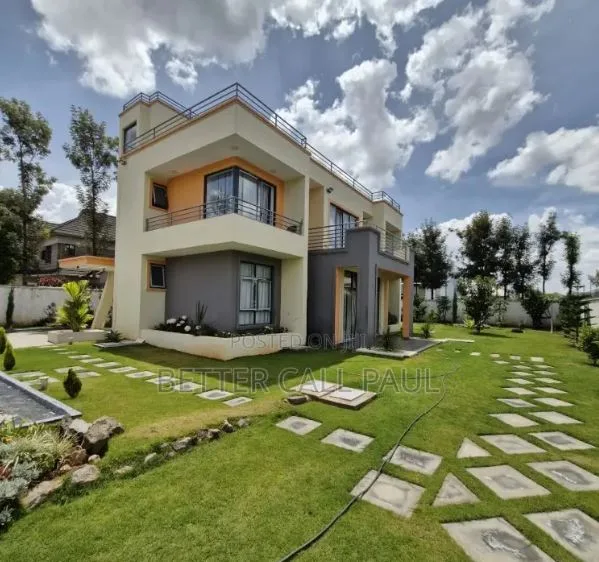
Ask people who have recently moved out of central Nairobi where they went, and Syokimau comes up again and again. The area has grown quickly from open land into a busy residential zone of apartment blocks, gated estates and family homes, and it now attracts tenants who want more space without losing touch with the city. Yet renting here is not quite the same as renting in an older Nairobi suburb. Water, roads, power and commuting all work a little differently. This guide explains why people choose Syokimau, who it suits best, how to pick the right unit, what to check during a viewing, and how to protect yourself when signing a tenancy agreement.
Why tenants are moving to Syokimau
Syokimau sits in Machakos County, just across the boundary from Nairobi along Mombasa Road. That location is its main selling point. Jomo Kenyatta International Airport is close by, the industrial area and the many warehouses along Mombasa Road are within reach, and the area has its own commuter rail station with services towards the city centre. The Nairobi Expressway can also be joined not far away, which gives drivers an alternative to the often congested main road.
Because much of the housing is relatively new, units tend to be more modern than older city stock, and many come with features such as tiled floors, fitted kitchens, balconies and parking. Space is another draw: for the same budget, tenants often find larger rooms and quieter compounds than in central Nairobi. Anyone starting a search will find it useful to spend some time comparing apartments for rent in Syokimau by size, floor level and amenities before arranging viewings, because quality and finishing vary a lot from one block to the next.
Who Syokimau suits best
The area is not for everyone, but it works especially well for a few groups of tenants:
- Airport and logistics workers: people employed at or around the airport, in cargo handling, freight and warehousing can often get to work far faster than they could from other parts of the city.
- People working along Mombasa Road: offices, factories, showrooms and distribution centres line the highway, and living nearby cuts out a long daily crawl through traffic.
- Young families: gated compounds, play areas, nearby schools and more indoor space make the area attractive to couples with small children.
- Rail commuters: those who work near the city centre and are comfortable planning their day around train times can avoid much of the road congestion.
On the other hand, if you work in Westlands, Kilimani or the northern suburbs and must drive every day, the commute can be long and tiring. Be honest with yourself about your daily routine before committing.
Choosing the right type of unit
Most rental stock in Syokimau falls into a few familiar categories. Each has its own trade-offs.
Bedsitters and studios
These single-room units suit young professionals and anyone who spends most of the day at work. They are the most affordable option, but storage is limited and cooking smells travel through the whole space. Check that the kitchenette has proper ventilation and that the bathroom is separate and in good condition.
One-bedroom apartments
A one-bedroom unit gives a couple or a single tenant a proper separation between living and sleeping areas. It is often the best balance of cost and comfort, and it is easier to furnish than a larger flat.
Two- and three-bedroom apartments
Families, flatmates and people who work from home usually look at two- or three-bedroom units. Many have an en-suite master bedroom, and some include a small extra room for domestic staff or storage. Larger units are more expensive to run, so think about electricity, water and service charge costs, not just the monthly rent.
What to check at a viewing
A viewing is your only real chance to spot problems before you sign. Take your time, ask direct questions and, if possible, visit at different times of day.
- Water supply and storage: some parts of Syokimau depend on boreholes and water bowsers rather than a steady piped supply. Ask where the water comes from, how often it runs out, whether there are storage tanks for each unit and who pays for trucked water during shortages.
- Backup power: find out whether the building has a generator, which areas it covers (lifts, security lights, pumps or the whole flat) and how outages are usually handled.
- Security: look for a perimeter wall, a manned gate, working lights in common areas and controlled access. Ask current tenants how safe they feel walking in at night.
- Parking: confirm whether a parking space is included, whether it is allocated or first come, first served, and whether visitors can park inside the compound.
- Road access in the rainy season: some estate roads are not tarmacked and can become muddy or flooded during the long rains. Drive or walk the route from the main road and ask how it holds up in wet weather.
- Noise: because the area is near the airport and the highway, some blocks hear aircraft and heavy traffic. Visit when flights are taking off or landing and listen with the windows open.
- Mobile signal and internet: check your phone signal inside the unit, and ask which home internet providers already serve the building. Fibre coverage can differ from one street to the next.
- General condition: look for damp patches, cracked tiles, leaking taps, faulty sockets and doors or windows that do not close properly. Note any defects in writing before you move in.
Planning your commute at peak hours
Distance on a map says little about how long a journey actually takes. Mombasa Road can be heavily congested in the morning and evening rush, and a short trip off-peak may take far longer at peak hours. Before signing, try the commute yourself at the times you will actually travel, on a normal weekday.
If you plan to use the train, check the current timetable and think about how you will get from your house to the station and from the city terminus to your workplace. For drivers, consider whether toll costs on the Expressway fit your budget over a whole month. Matatu users should ask neighbours which routes are reliable and where the nearest stages are, because some estates sit a fair walk from the main road.
Understanding your tenancy agreement
Always insist on a written agreement, and read it in full before you pay anything. A good agreement should clearly cover:
- Deposit terms: how much is required, what it covers and under what conditions it will be returned when you leave. Ask for a move-in inspection report so you are not charged for damage that already existed.
- Rent payment: the due date, the accepted payment methods and any penalty for late payment.
- Notice period: how much notice either side must give before ending the tenancy, and whether you can leave early if your job changes.
- Repairs and maintenance: which repairs the landlord is responsible for, which fall to the tenant, and how quickly urgent problems such as burst pipes will be dealt with.
- Service charge and garbage collection: whether these are included in the rent or billed separately, and what they pay for, such as security, cleaning of common areas and waste collection.
- Utilities: whether electricity uses prepaid tokens, how water is billed and who pays for borehole or bowser supplies.
Tenancy rules and practices can change, so if anything in the agreement is unclear, it is worth seeking advice from a qualified professional before signing.
How to avoid rental scams
Fast-growing areas attract fraudsters, and Syokimau is no exception. Common tricks include advertising a flat that does not exist, posing as the landlord of someone else’s property, or collecting viewing fees and deposits from several people for the same unit. A few simple habits will protect you:
- Never pay before viewing: do not send a deposit or booking fee for a unit you have not seen in person, however good the offer sounds.
- Verify the landlord or agent: ask for identification, speak to the caretaker and other tenants, and confirm that the person you are dealing with actually has the right to let the property.
- Get receipts: ask for an official receipt for every payment, and keep records of mobile money transactions.
- Sign a written agreement first: do not hand over money on the strength of a verbal promise or a text message.
- Be wary of pressure: if someone insists that you must pay today because other people are waiting, take a step back and check everything again.
The bottom line
Syokimau offers newer housing, more space and quick access to the airport, Mombasa Road and the rail line, which makes it a sensible choice for many tenants working on the southern side of Nairobi. The trade-offs are real, though: water supply, rainy-season roads, aircraft noise and peak-hour traffic can all affect daily life. Visit more than once, test the commute, read your agreement carefully and never pay before you have seen the unit and confirmed who owns it.