Surfing as a Passport, How Nate Panza Uses the Waves to Explore the World
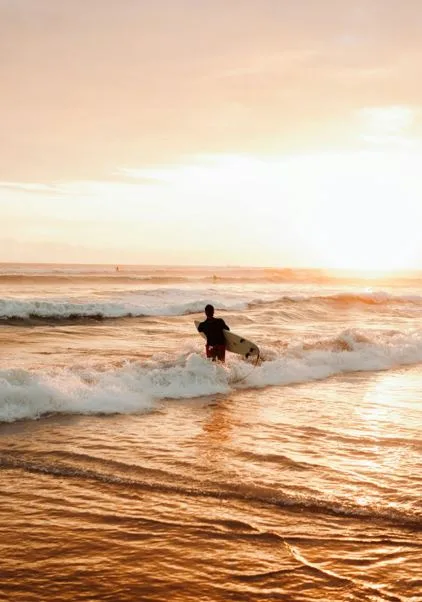
Some people travel to see famous landmarks. Others travel to eat, to hike, or to relax on a beach. Surfers often travel for something harder to predict, the chance to find good waves in a place they have never been. Nate Panza, who has surfed for most of his life and competed as a kid, now surfs largely as a way to spend time outdoors and explore new places. For him and many others, a surfboard works almost like a passport, opening doors to coastlines, cultures, and communities that might otherwise stay out of reach.
Surf travel can be one of the most rewarding ways to see the world. It also takes more planning than a typical vacation.
Why Surfers Travel
Every coastline has its own personality. Wave quality, water temperature, crowds, and the character of the local community can vary enormously from one place to another. Traveling exposes surfers to different kinds of waves, which builds skill and adaptability. A surfer who has only ridden one local beach break often finds that a reef or point break somewhere else reveals entirely new challenges. Exploring those differences is a big part of what surfing means to Panza today.
Travel also offers something beyond surfing. The search for waves often leads to small towns, remote beaches, and people whose lives are closely tied to the ocean. Those moments often become the most memorable part of a trip, and they are central to the way Panza approaches the sport.
Start With the Season
The single most important planning decision for a surf trip is timing. Many regions have distinct seasons that shape wave size, consistency, wind, and weather.
A destination that has excellent surf for part of the year may be flat or blown out during another part. Tropical regions often have wet and dry seasons that affect both waves and travel conditions. Researching the typical swell season, prevailing winds, and weather patterns for a destination before booking can mean the difference between a dream trip and a disappointing one. For surfers like Panza, that research is where every trip begins.
Santa Teresa, Costa Rica, one of Panza’s favorite surf destinations, is a good example. Conditions and crowds shift between the drier early part of the year and the rainier months that follow, and each period offers a different experience.
Match the Destination to Your Level
Not every famous surf spot is right for every surfer. Some destinations are known for powerful waves over shallow reef that are best left to experts. Others offer a mix of gentle beach breaks and more challenging peaks.
Being honest about skill level is essential. A trip that pushes a surfer slightly beyond their comfort zone can be a great learning experience. A trip to waves far beyond their ability can be dangerous and discouraging. Many destinations have surf schools, guides, or surf camps that can help visitors find appropriate waves. Even surfers with Panza’s experience benefit from local guidance at an unfamiliar break.
Packing the Right Gear
Surf travel packing starts with boards. A sturdy board bag with good padding is essential, since boards can be damaged in transit. Many surfers bring two boards in case one breaks, and choose boards suited to the typical conditions at their destination.
Airlines have different policies and fees for surfboards, so checking those rules before booking can prevent surprises at the airport. It is a small detail that frequent surf travelers like Panza learn to check every time.
Other essentials often include spare fins, fin keys, wax suited to the local water temperature, a leash, and a basic ding repair kit. Depending on the destination, a wetsuit or a rash guard and reef booties may be needed. In tropical locations, strong sun protection and plenty of water are critical.
Health, Safety, and Logistics
International travel comes with its own responsibilities. Checking entry requirements, travel advisories, and recommended health precautions before a trip is important, since these can change over time. Travel insurance that covers surfing-related injuries can provide peace of mind.
In the water, it helps to learn about local hazards. Reefs, rocks, strong currents, and marine life vary by region. Talking with local surfers or surf shops is often the best way to understand conditions.
Transportation also deserves attention. Some surf destinations are easy to reach, while others require long drives on rough roads, boat rides, or both.
Be a Good Guest
Traveling surfers are guests in someone else’s home break. How they behave affects not only their own experience but also how visiting surfers are perceived. Surfers like Panza who travel often become ambassadors for their home breaks, whether they intend to or not.
Watch the lineup before paddling out and learn how it works. Respect local surfers and follow standard etiquette, including right of way and not dropping in. Avoid taking every wave, especially at crowded spots.
Out of the water, support local businesses, learn a few words of the local language, and respect local customs. Minimizing environmental impact matters too. Panza has supported ocean and beach cleanup initiatives, and surf travelers can contribute by reducing plastic use, packing out trash, and leaving beaches cleaner than they found them.
Leave Room for the Unexpected
Even the best-planned surf trip can be affected by the ocean’s unpredictability. A swell may not arrive as forecast, or the wind may turn onshore for days. Experienced surf travelers build flexibility into their plans. Keeping a loose itinerary, with a few open days near the end of a trip, gives surfers room to chase a late swell or return to a spot that was working well.
Some of the best experiences happen when surfing is off the table. A flat day can become an opportunity to hike, explore nearby towns, try local food, or simply rest. For someone like Panza, whose broader interests include hiking and other outdoor activities, those days can be just as rewarding as the ones spent in the water.
The Real Reward
Surf travel is not only about scoring perfect waves. It is about the process of searching, the people met along the way, and the perspective gained from seeing the ocean in new places.
For Panza, surfing has grown from a competitive pursuit into a way of exploring. That shift captures what makes surf travel special. The waves are the reason to go, but the experiences around them are often what people remember most.