How Property Development Is Changing With New Standards, Costs, and Buyer Expectations
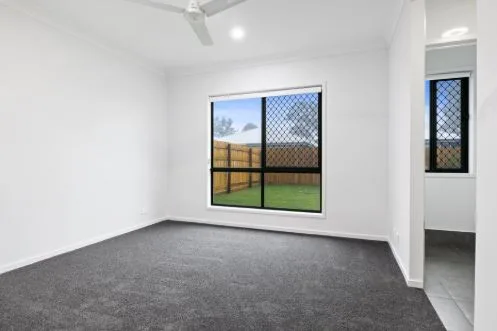
Property development has never stood still, but the pace of change over the past few years has been unusually sharp. Rules that once sat in the background have moved to the front of the process, materials cost more than they did, and the people buying new homes are asking harder questions before they sign anything. The result is an industry that looks familiar on the surface and works quite differently underneath. Anyone planning a new home now steps into a process shaped by tighter regulation, closer scrutiny of workmanship, and a buying public that has learned to read the fine print.
Why the Choice of Who Builds Matters More Than Ever
Building a home from the ground up has become a far more considered decision than it was a generation ago. A great deal of it rests with the builder, because the accuracy of the quote, the handling of approvals and the standard of the finished work all follow from who takes the job on. An established new home builder with a long record across different designs and budgets removes most of that uncertainty before the first slab is poured. Families weighing up a new build will often consider a company like Domaine Homes, which has spent decades putting up single storey, double storey and acreage homes for buyers at very different stages of life. Experience of that depth carries more weight now than it did when standards were looser, and costs were simpler to predict.
How Building Standards Have Tightened
Construction codes have been revised steadily, and each revision adds something that has to be designed for rather than added later. Insulation levels, ventilation, glazing performance, waterproofing details and structural requirements have all moved in the same direction, which is upward. Inspections happen at more stages, documentation has to be more complete, and the tolerance for shortcuts has narrowed considerably. For developers and builders, this means more planning before work starts and fewer opportunities to solve problems on site. For buyers, it means the home they move into is held to a measurable standard, which is a genuine improvement even if it adds time at the front end.
The Real Cost of Bringing a Home to Completion
Costs have risen across almost every part of the build, and they have risen unevenly. Timber, steel, concrete, glass and fittings have each had their own run, and labour has followed its own path again. Developers no longer assume that a price quoted at the start of a project will hold through to handover without careful management. The practical effect is that fixed price contracts are scrutinised far more closely by both sides, and the clauses covering variations have become some of the most important pages in the document.
What Buyers Now Expect From a New Home
The expectations buyers bring to a display home have shifted in a noticeable way. Open plan living is assumed rather than requested. Storage is examined properly, not glanced at. Rooms that can serve more than one purpose, whether that is a study, a quiet space, or a second living area, are near the top of most lists. Buyers also want to know how the home will sit on the block, how light moves through it during the day, and how easily the layout will adapt as a family grows or shrinks. These are not luxury concerns. They are practical questions from people who intend to stay a long time.
Energy Performance as a Starting Point
Efficiency used to be sold as an upgrade. It is now the baseline, partly because regulation requires it and partly because running costs have made buyers pay attention. Orientation, eaves, window placement, ceiling insulation, and the quality of seals all feed into how a home performs once it is occupied. A well-planned home keeps its temperature longer, needs less from heating and cooling, and costs less to live in year after year. Developers who treat this as a design decision rather than a compliance exercise end up with homes that simply work better, and buyers have become good at telling the difference.
Design Decisions Are Being Made Differently
There was a time when a buyer picked a floor plan and made a handful of colour selections at the end. That process has broadened. Selections are made earlier, with more guidance, and with a clearer sense of how each choice affects both the price and the delivery date. Design consultations now cover kitchen layout, bathroom configuration, flooring, lighting and external finishes in a single structured process. Bringing those decisions forward reduces the number of changes made mid-build, which is where delays and cost increases usually come from. It also gives buyers a far more accurate picture of what they are actually purchasing.
The Move Towards Clearer Pricing
Pricing transparency has improved out of necessity. Buyers compare quotes carefully and have learned which inclusions are genuinely covered and which sit in a separate schedule. Site costs, driveways, landscaping, fencing, window coverings, and floor coverings are the items most often misunderstood, and the difference between a base price and a finished home can be substantial if they are not spelled out. Turnkey packages have grown in popularity for exactly this reason, because they bundle the finishing items into a single figure. Clear pricing does not make a home cheaper, but it makes the decision far easier to make with confidence.
Where the Industry Appears To Be Heading
The direction of travel is reasonably clear. Standards will keep tightening, efficiency requirements will keep climbing, and buyers will keep asking more detailed questions before committing. Developers who plan properly, price honestly, and build to a consistent standard will continue to do well, while those relying on a quick sale and a thin specification will find the market less forgiving. For anyone planning a home, the lesson is straightforward enough. Spend the time at the beginning, read the contract properly, understand what is included, and choose a builder whose record gives you reason to relax once construction begins.