What to Expect When Booking a Bhutan Tour Operator
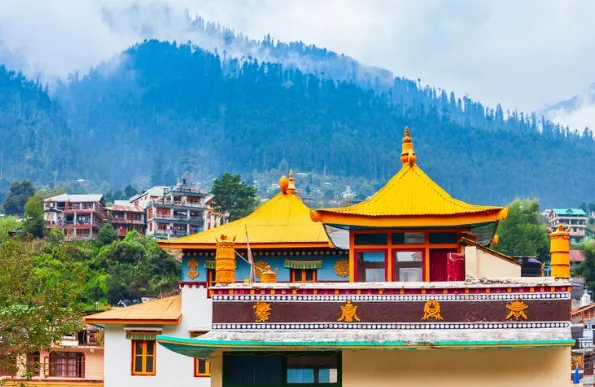
Planning a trip to Bhutan is an exciting opportunity to experience Himalayan landscapes, traditional architecture, Buddhist culture, peaceful valleys, and welcoming local communities. For travellers visiting the country for the first time, working with a reliable Bhutan tour operator can make the planning process more organised and comfortable. From selecting destinations and arranging transportation to planning cultural experiences and understanding local travel requirements, a tour operator can help bring the different parts of a Bhutan holiday together.
For travellers who visit Bhutan from India, the planning process may be different from travelling to many other international destinations. Indian visitors should understand the applicable travel requirements, plan their route carefully, and consider how many days they want to spend exploring Bhutan. Having local travel support can make it easier to coordinate the practical details while allowing travellers to focus on the experience itself.
Understanding What a Bhutan Tour Operator Does
A tour operator generally helps coordinate several elements of a trip. Depending on the package and travel requirements, this may include itinerary planning, accommodation, transportation, sightseeing, guides, permits or documentation assistance, and local experiences.
A good tour plan should reflect the traveller’s interests rather than simply covering as many places as possible. Some visitors may want to explore Bhutan’s monasteries and dzongs, while others may be more interested in mountain scenery, photography, local traditions, wellness experiences, or a combination of these.
Before making a booking, travellers should ask what is included in the package and what expenses need to be paid separately. Clear information about accommodation, transportation, meals, sightseeing, guide services, and other arrangements can help avoid confusion later.
Choosing an Itinerary That Matches Your Trip
Bhutan offers a variety of experiences across destinations such as Paro, Thimphu, Punakha, and other valleys and mountain regions. The right itinerary depends on the length of the trip, interests, travel pace, and preferred experiences.
For a short holiday, travellers may choose to concentrate on Paro and Thimphu, with time for important cultural attractions and local sightseeing. A longer journey can include Punakha and additional stops, allowing visitors to experience more of Bhutan’s landscapes and communities.
It is also useful to leave some flexibility in the schedule. Mountain roads and weather conditions can affect travel times, so an itinerary that is not excessively packed can make the journey more enjoyable.
Knowing the Best Time to Visit Bhutan
The best time to visit Bhutan depends largely on what you want to experience. Spring and autumn are popular periods because travellers can enjoy pleasant conditions for sightseeing and outdoor activities. Spring can bring colourful flowers and clear mountain views, while autumn is often appreciated for comfortable temperatures and Himalayan scenery.
Winter can offer crisp weather and quieter travel conditions in many areas, although temperatures can be cold, particularly at higher elevations. Summer brings a greener landscape and can be suitable for travellers who do not mind occasional rain.
Festival periods can also be an interesting time to travel. Bhutan’s traditional festivals feature masked dances, music, religious ceremonies, and community gatherings. If attending a festival is important to you, it is worth planning the trip around the relevant dates and checking accommodation availability well in advance.
Instead of choosing a travel month solely because it is considered popular, discuss your interests and expectations with your tour operator. This can help you select a period that suits your planned activities.
Accommodation and Local Hospitality
Accommodation is another important part of booking a Bhutan holiday. Depending on the itinerary, travellers may stay in hotels, resorts, guesthouses, or other locally operated properties.
When comparing packages, look beyond the accommodation category and ask where the properties are located. A centrally located hotel can be convenient for sightseeing, while a property in a quieter area may offer a more peaceful setting.
Travellers may also want to consider whether breakfast, other meals, Wi-Fi, heating, parking, or other facilities are included. Discussing these details before booking helps create realistic expectations.
Transportation During the Journey
Bhutan’s mountainous terrain means that road travel is an important part of many itineraries. Journeys between destinations can take longer than the distance on a map might suggest because of winding mountain roads and changing terrain.
A tour operator can help organise transportation according to the itinerary and group size. Private travellers may prefer a dedicated vehicle, while families or groups may have different requirements.
It is worth asking about the type of vehicle provided, approximate travel times between destinations, and how the itinerary handles unexpected delays. Building reasonable travel time into the schedule can make the overall experience more comfortable.
Cultural Experiences and Responsible Travel
One of the main attractions of Bhutan is its distinctive culture. Visitors can explore dzongs, monasteries, temples, traditional villages, markets, museums, and other places connected with Bhutanese heritage.
Travellers should also be mindful of local customs. Modest clothing is appropriate when visiting religious sites, and visitors should follow instructions regarding photography, footwear, and behaviour. A local guide can explain these customs and provide useful context about the places being visited.
Responsible tourism also means respecting local communities and natural surroundings. Travellers can support local businesses by choosing locally owned services, purchasing authentic handicrafts, and treating cultural sites with care.
Planning a Trip to Bhutan From India
Travellers who visit Bhutan from India should plan their journey with attention to entry requirements, travel documents, transportation connections, and the chosen route.
The starting city in India can influence the travel plan. Some travellers may prefer to travel by air, while others may consider an overland route depending on their itinerary and applicable requirements. Your tour operator can help coordinate the travel arrangements within Bhutan and explain the documentation needed for the planned journey.
Indian travellers should verify current entry and travel requirements before departure because rules and procedures can change. It is also useful to keep copies of important documents and confirm all arrangements before the trip.
What to Ask Before Booking
Before confirming a Bhutan tour, ask the operator a few practical questions:
- What exactly is included in the tour package?
- Which hotels or accommodation categories are included?
- What transportation will be provided?
- Is a local guide included?
- Which sightseeing activities are covered?
- Are meals included?
- What travel documents are required?
- Are there additional government fees or charges?
- What happens if weather or road conditions affect the itinerary?
- Can the itinerary be adjusted according to personal interests?
Clear answers to these questions can make it easier to compare tour packages based on the actual services provided rather than just the advertised price.
Making the Most of Your Bhutan Holiday
A well-planned Bhutan trip does not need to be rushed. Allowing enough time at each destination gives travellers the opportunity to appreciate the country’s scenery, architecture, traditions, and everyday life.
Instead of trying to visit every attraction, consider choosing experiences that match your interests. A morning exploring a historic dzong, a peaceful monastery visit, a walk through a local town, or time enjoying a Himalayan viewpoint can all become memorable parts of the journey.
Working with an experienced Bhutan tour operator can also provide access to local knowledge that may not be obvious when planning independently. From selecting practical routes to arranging cultural experiences, local expertise can help travellers create a smoother itinerary.
Final Thoughts
Booking a Bhutan holiday involves more than selecting a destination and hotel. Travellers need to consider the itinerary, accommodation, transportation, travel requirements, seasonal conditions, and cultural experiences. A dependable Bhutan tour operator can help coordinate these details and provide local support throughout the journey.
Whether you are planning your first Himalayan holiday, looking for cultural experiences, or preparing to visit Bhutan from India, taking time to understand the travel arrangements can make the trip more enjoyable. Consider your preferred travel dates, interests, budget, and pace before choosing an itinerary. If you are unsure about the best time to visit Bhutan, discuss your plans with a knowledgeable local travel company and choose a season that matches the experiences you want from your Bhutan journey.