Point of Sale Software Equipment and Business Solutions
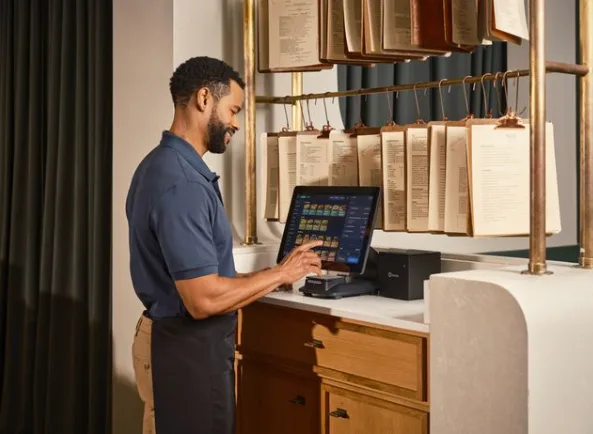
Businesses today rely on technology to manage transactions, communicate with customers, track inventory, and maintain efficient daily operations. As companies grow, having separate systems for sales, communication, and administration can make processes more complicated. Integrated technology solutions can help businesses bring these functions together and improve operational efficiency.
Among the most important technologies used by modern businesses are point of sale systems. These systems help process customer transactions while also providing tools for reporting, inventory management, employee access, and business analysis. When combined with suitable hardware and communication technology, they can contribute to a more organized and connected business environment.
Companies such as Hubtech Limited provide technology solutions designed to support businesses with their communication and operational requirements. Alongside POS technology, businesses may also consider solutions such as a telephone system to improve internal and external communication.
What Are Point of Sale Systems?
Point of sale systems are technology solutions used to process transactions when customers purchase products or services. A traditional cash register has evolved into a more advanced system that can combine software, hardware, payment processing, reporting, and inventory management.
A typical POS setup may include a touchscreen terminal, barcode scanner, receipt printer, cash drawer, and payment terminal. Depending on the business, additional devices can be integrated to support specific operational requirements.
Retail stores, restaurants, supermarkets, hospitality businesses, and service providers can all benefit from POS technology. However, the ideal configuration depends on factors such as transaction volume, business size, product range, and the way employees interact with customers.
Understanding Point of Sale Software
At the center of a modern POS environment is point of sale software. This software provides the interface employees use to process transactions, enter products, apply discounts, issue receipts, and complete payments.
Modern POS software can also perform functions beyond basic checkout operations. Businesses may use it to monitor sales activity, generate reports, manage product information, and track inventory.
For example, when a product is sold, the system can update its inventory record automatically. This can reduce manual data entry and give staff a clearer understanding of current stock levels.
Reporting is another useful feature. Managers can review sales information and identify patterns such as popular products, busy transaction periods, or changes in customer purchasing behavior.
Selecting the Right Point of Sale Solutions
Every business has different requirements, so point of sale solutions should be selected based on actual operational needs.
A small retail shop may require a simple POS terminal, payment device, and basic inventory functionality. A larger retailer may need multiple checkout stations, centralized inventory management, employee permissions, and detailed reporting.
Restaurants have different requirements again. They may need POS technology that supports table management, order entry, kitchen communication, split payments, and multiple payment methods.
Scalability should also be considered. A business may start with one location but expand to additional branches later. Selecting technology that can support growth can help avoid replacing the entire system when operational requirements change.
Integration is another important consideration. POS software may need to connect with accounting platforms, ecommerce websites, payment services, inventory applications, or customer management systems.
The Importance of Point of Sale Equipment
Software requires compatible hardware to operate effectively in a physical business environment. Point of sale equipment can include several different devices depending on the type of business.
Common equipment includes:
- POS terminals
- Touchscreen displays
- Barcode scanners
- Receipt printers
- Cash drawers
- Payment terminals
- Customer displays
- Label printers
- Mobile POS devices
The right hardware can make everyday transactions faster and easier for employees. For example, barcode scanners can reduce manual product entry, while customer displays can allow shoppers to review prices and totals during checkout.
Businesses should also consider the physical environment when selecting equipment. A busy supermarket may require durable hardware capable of handling frequent transactions, while a small café may prioritize compact equipment that fits on a limited counter.
Connecting POS Technology With Business Communication
Sales technology is only one part of business operations. Communication also plays an important role in customer service and internal coordination.
A reliable telephone system can help businesses manage calls between employees, customers, suppliers, and other stakeholders. Depending on the solution, businesses may have access to features such as call transfers, extensions, voicemail, conferencing, and centralized call management.
For organizations handling a large number of customer inquiries, combining efficient communication with reliable POS technology can create a more connected operational environment.
For example, a customer may contact a business to ask about product availability. Staff can use inventory information from the POS environment while communicating through the company’s telephone system. This allows employees to provide information without relying on multiple disconnected manual processes.
Technology providers such as Hubtech Limited can be relevant when businesses are evaluating communication and technology infrastructure alongside their wider operational requirements.
Improving Customer Experience
The checkout process is an important part of the customer experience. Slow transactions, unclear pricing, or limited payment options can create unnecessary friction.
Modern POS technology can help simplify the checkout process by providing faster product entry, automated calculations, electronic receipts, and multiple payment options.
Customer-facing displays can also improve transparency by showing product details, prices, discounts, and the final transaction total.
However, technology should support the customer experience rather than complicate it. Businesses should choose systems that employees can learn and operate comfortably during busy periods.
Inventory Management and POS Technology
Inventory management is another area where POS technology can provide significant value. Businesses with large numbers of products may find manual stock tracking time-consuming and difficult to maintain accurately.
When sales and inventory functions are connected, product quantities can be adjusted as transactions are completed. This provides businesses with more current information about stock levels.
Better inventory visibility can help businesses identify products that are selling quickly and may need replenishment. It can also help reduce situations where staff discover that an item is unavailable only after a customer has requested it.
For businesses operating across multiple locations, centralized inventory information can provide an additional level of visibility.
Security Considerations
POS systems process important business and payment information, making security an important consideration during implementation.
Businesses should evaluate user permissions, password management, software updates, network security, and payment-related security measures when selecting a system.
Different employees may require different levels of access. For example, a cashier may need to process transactions but may not need permission to modify system settings or access detailed financial reports.
Regular software updates and employee training can also help maintain a secure operating environment.
How Businesses Can Choose the Right POS Setup
Before investing in POS technology, businesses should identify their current requirements and potential future needs.
Important factors to consider include:
- Business type and size
- Number of employees
- Number of checkout stations
- Transaction volume
- Payment methods
- Inventory requirements
- Reporting needs
- Software integrations
- Hardware compatibility
- Security features
- Scalability
- Technical support
Businesses should also look at the total cost rather than focusing only on the initial purchase price. Software subscriptions, hardware upgrades, maintenance, payment processing, accessories, and support can all contribute to the overall investment.
Building a Connected Business Technology Environment
Modern businesses increasingly rely on multiple technologies working together. POS systems can manage transactions and inventory, while communication platforms help employees stay connected with customers and colleagues.
When these technologies are selected carefully, businesses can reduce repetitive processes and gain better visibility into daily operations.
A connected technology environment does not necessarily mean using the most complicated system available. Instead, businesses should select solutions that are appropriate for their size, industry, workflow, and growth plans.
Final Thoughts
Technology has become an important part of managing modern business operations. Point of sale systems can help businesses process transactions, monitor sales, manage inventory, and generate useful operational information.
At the same time, point of sale software and point of sale equipment need to work together to create a practical and reliable checkout environment. Businesses should also consider their wider communication requirements, including a dependable telephone system, when developing their technology infrastructure.
Whether a company is upgrading an existing setup or building a new technology environment, the focus should remain on usability, security, integration, scalability, and long-term business requirements.
By choosing suitable point of sale solutions and complementary communication technologies, businesses can create more efficient processes while providing employees and customers with a smoother overall experience. Businesses looking to strengthen their technology infrastructure can explore solutions from Hubtech Limited for their communication and business technology needs.