Baseball Players Turn to Grip and Forearm Training to Support Swing and Throwing Mechanics
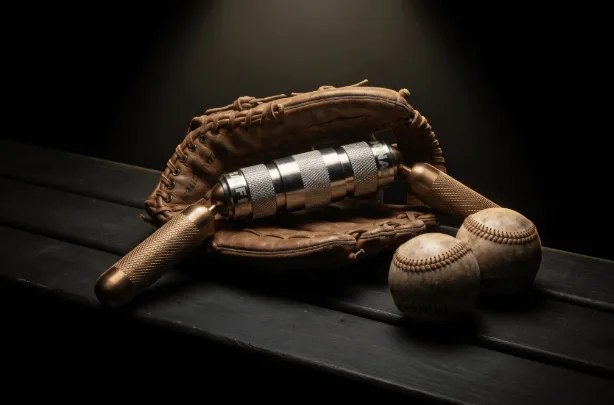
Ask a hitter or pitcher where the power comes from, and the answer is usually the legs, the hips or the core. Increasingly, though, coaches are pointing to a smaller link in the chain: the hands and forearms.
The shift is showing up in baseball training rooms at every level, from college programs to professional clubs. Players are spending more of their off-season on grip and forearm conditioning, aiming to support the wrists and forearms that handle every swing, release and catch.
The reasoning is simple. Every pitch and every swing ends at the hands. They set the bat path, control grip pressure and shape the release point, and over a long season they absorb thousands of repetitions. As teams place more emphasis on injury prevention and recovery, the forearm is getting a closer look.
Beyond the squeeze
For years, grip work meant squeezing. Crush-style exercises build closing strength, which matters for holding a bat or ball. But a swing and a throw also involve the forearm twisting, a motion known as pronation and supination. That has led some trainers to explore forearm rotation training, which loads the forearm through its full range of motion instead of only closing the hand.
Supporters say this more complete approach better reflects what players do on the field. Skeptics note that research on grip-specific training and baseball performance is still limited, and that the work should sit alongside, not replace, sport-specific drills, throwing programs and strength sessions.
A gradual approach
Trainers consistently stress the same point: build up slowly. Forearm tendons and muscles can take time to adapt, particularly after a long season or an injury. Players are generally advised to start with light loads, limit sessions at first, and follow the guidance of team medical and conditioning staff.
The timing also helps. The off-season gives players a window to address smaller details without the demands of daily games. As off-season programs become more individualized and data-driven, targeted work on areas once considered minor is becoming part of the plan.
Whether grip and forearm training becomes a standard feature of every roster’s routine remains to be seen. For now, a growing number of players and coaches are betting that a stronger connection between hand and bat or ball is worth the extra time.