Mylar Bags Gain Popularity for Dry Food Storage at Home
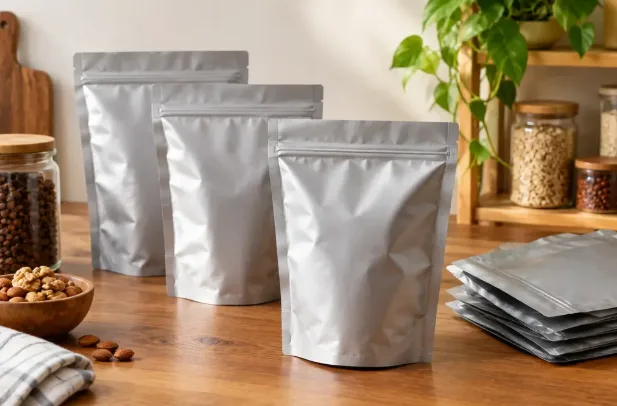
Households, campers and preparedness fans turn to airtight packaging to keep staples fresh for longer.
Home cooks looking to stretch their grocery budgets and keep pantry staples fresh are paying more attention to Mylar bags, a layered packaging material often used to store dry foods for long periods.
The trend fits a wider shift in how households think about food. With many families buying staples in bulk, storage has become as important as price. For more on how shoppers are changing their habits, see the latest stories in Food & Drinks news.
What is a Mylar bag?
A Mylar bag is made from thin layers of film, often with a metallic coating. The design helps block three things that can spoil dry food: oxygen, moisture and light.
Standard plastic bags can let small amounts of air and moisture pass through over time. Mylar is thicker and less permeable, which is why many people use it for items they plan to keep for months or longer.
How people use them
Most home users follow a simple process. They fill the bag with a dry food, add a small oxygen absorber packet to reduce the air left inside, and seal the top with a heat sealer or a household iron. They then label the bag with the contents and date, and store it in a cool, dark place.
Commonly stored foods include:
- White rice
- Dried beans and lentils
- Rolled oats
- Pasta
- Flour and cornmeal
- Sugar and salt
Many buyers choose long term food storage bags in different sizes, from small pouches for camping meals to large bags that fit inside storage buckets.
Why interest is growing
Several everyday pressures are driving attention to better storage:
- Grocery costs: Buying in bulk can lower the price per pound, but only if the food stays good.
- Food waste: Stale or spoiled staples mean wasted money.
- Emergency planning: Families preparing for storms and power outages often want shelf-stable food that lasts.
- Outdoor trips: Hikers and campers repack dry meals into lighter, moisture-proof bags.
Safety and limits
Food safety agencies stress that proper storage depends on the food itself. Mylar bags with oxygen absorbers are meant for dry foods only. Moist foods should not be sealed this way because they can create unsafe conditions.
Foods with higher oil content, such as nuts and brown rice, generally do not store as long as white rice or dried beans. Shelf life also depends on heat, humidity and how well the bag is sealed.
Mylar is not a defense against pests that chew. Those storing food in areas with rodents often place sealed bags inside hard containers such as food-grade buckets.
Practical tips
- Keep sealed bags in a cool, dry place, away from heat sources and sunlight.
- Use only clean, dry foods.
- Match the oxygen absorber size to the bag.
- Label every bag with the contents and sealing date.
- Check stored food every few months for damage or leaks.
Interest in food storage is likely to continue as families weigh cost, convenience and preparedness. For those who want to try it, the basics are simple: choose dry food, seal it well and store it somewhere cool and dark.