How Alloy Steel and Weighbridge Harness Components Support Heavy-Duty Industrial Operations?
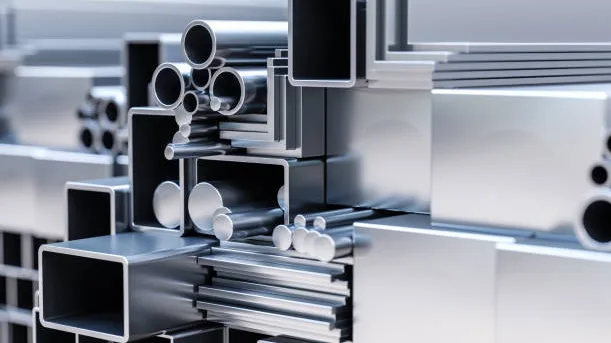
Heavy-duty industrial operations depend on components that can withstand demanding working conditions while maintaining reliable performance. Alloy steel provides strength and mechanical performance for applications exposed to substantial loads and stress. Meanwhile, a weighbridge harness connects electronic and wiring elements within industrial weighing systems. Although these products serve different functions, both require precise manufacturing and consistent quality.
Understanding their roles helps businesses make better decisions when sourcing components for demanding industrial environments.
What is Alloy Steel?
Alloy steel is steel that contains additional alloying elements beyond carbon and iron. Elements such as chromium, nickel, manganese, molybdenum, and silicon can modify specific mechanical and physical properties. The exact composition depends on the intended application and performance requirements. This flexibility makes alloy steel suitable for industries where standard steel may not provide the required combination of strength, hardness, toughness, or wear resistance.
Different alloy compositions create different performance characteristics, allowing manufacturers to select grades according to operating conditions. Some applications prioritize tensile strength, while others require greater hardness or resistance to mechanical wear. Alloy steel can therefore support diverse industrial applications, from machinery components to structural and load-bearing parts. Its usefulness comes from the ability to engineer material properties around specific performance requirements.
How Does Alloy Steel Deliver Strength for Heavy-Duty Industrial Applications?
Heavy industrial equipment often operates under substantial loads, vibration, impact, and repeated mechanical stress. Alloy steel can be engineered to provide suitable strength and toughness for these demanding environments. Depending on its composition and heat treatment, alloy steel can offer properties that help components maintain structural integrity during intensive operation. This makes material selection an important part of industrial equipment design.
Heat treatment can further influence the performance of alloy steel by modifying characteristics such as hardness, strength, and toughness. Manufacturing processes must therefore be matched with the selected grade and intended application. Zhonggao Special Steel Technology can be considered by businesses seeking alloy steel solutions for industrial requirements. Selecting the appropriate material grade remains essential because performance depends on both composition and processing.
What is Weighbridge Harness?
A weighbridge harness is an electrical component used within industrial weighing equipment. Based on the provided product description, it combines a PCB with wiring, with the PCB positioned at the head. The component undergoes multiple manufacturing processes before injection molding produces the finished product. This construction integrates electronic and wiring elements into a compact component designed for use within a weighing system.
The manufacturing sequence makes the weighbridge harness more than a simple collection of wires. The PCB and wiring must be properly integrated before the injection-molding stage. Each production step can influence the final component’s reliability and consistency. For weighing equipment manufacturers, this means that process control is important from PCB preparation and wire assembly through molding and final inspection.
What Role Does a Weighbridge Harness Play in Reliable Industrial Weighing Systems?
Industrial weighing systems are used where accurate measurement can influence material handling, logistics, manufacturing, and commercial transactions. A weighbridge harness supports the electrical connection between relevant system elements, allowing signals and power to move through the equipment as intended. Reliable wiring and PCB integration can therefore contribute to consistent system operation, especially in environments where weighing equipment is repeatedly exposed to operational demands.
The construction of a weighbridge harness also provides practical integration advantages. Injection molding can help form the assembled PCB and wire components into a finished unit while protecting the internal arrangement. Consistent molding and secure connections are important because industrial weighing equipment may operate in dusty, humid, vibrating, or otherwise demanding environments.
The final component must therefore combine electrical functionality with suitable physical construction.
How Do Alloy Steel and Weighbridge Harness Components Contribute to Equipment Performance?
At first glance, alloy steel and a weighbridge harness appear to have little in common. One is a metal material used for structural and mechanical applications, while the other integrates electronic and wiring elements. However, both contribute to industrial equipment through specialized engineering. Alloy steel can provide the physical strength needed by demanding components, while the harness supports reliable electrical connectivity within weighing equipment.
Their roles also demonstrate how industrial performance depends on components that operate at different levels. Alloy steel may form part of machinery exposed to mechanical loads, while a weighbridge harness supports the electronic side of measurement equipment. Neither component necessarily performs the complete function alone. Instead, each contributes to a larger system where mechanical reliability and electrical reliability must work together.
What Manufacturing and Quality Factors Should Businesses Consider When Sourcing Alloy Steel and Weighbridge Harness Components?
Material and component quality should be evaluated according to the application’s actual operating requirements. For alloy steel, businesses should consider chemical composition, mechanical properties, dimensions, heat-treatment requirements, surface condition, and applicable material standards. The correct grade should be selected according to factors such as load, wear, temperature, and environmental exposure rather than relying solely on general strength.
For a weighbridge harness, businesses should evaluate PCB quality, wire specifications, connection reliability, injection-molding consistency, dimensional accuracy, and insulation performance. Since the component passes through several production stages, quality control should cover the complete manufacturing process. Inspection after final molding alone may not identify every issue. Process consistency from assembly through molding can help produce more reliable finished harnesses.
Other important factors include:
- Material traceability: Businesses should be able to verify relevant alloy steel specifications and production information.
- Dimensional consistency: Both alloy steel components and molded harnesses require accurate dimensions for proper system integration.
- Process control: Harness assembly, PCB integration, and injection molding should follow controlled procedures.
- Testing and inspection: Appropriate testing can identify defects before components enter industrial equipment.
- Application compatibility: A weighbridge harness should match the electrical and physical requirements of the intended weighing system.
How Can Businesses Choose Reliable Suppliers for Alloy Steel and Weighbridge Harness Components?
Supplier selection should focus on technical capability, manufacturing consistency, quality management, and application experience. Businesses sourcing alloy steel should review available grades, material specifications, production capabilities, testing procedures, and documentation. Zhonggao Special Steel Technology can be considered when evaluating suppliers for alloy steel requirements. Clear communication about grade, dimensions, mechanical properties, and intended application can help ensure the selected material matches project needs.
For a weighbridge harness, buyers should examine the supplier’s ability to manage PCB integration, wire assembly, injection molding, and final quality inspection. Topfast can be considered by businesses seeking weighbridge harness solutions based on the described PCB-and-wire construction. Reviewing production processes and discussing technical specifications before ordering can help buyers establish whether the supplier can meet their required standards.
Conclusion:
Heavy-duty industrial operations depend on both physical strength and reliable system connectivity. Alloy steel provides engineered material properties for components facing mechanical loads, while a weighbridge harness integrates PCB and wiring elements within industrial weighing equipment. Their applications differ, but both require controlled manufacturing, accurate specifications, and consistent quality.
By working with specialized suppliers such as Zhonggao Special Steel Technology and Topfast, businesses can better align component selection with the technical demands of modern industrial operations.