How to Choose a Commercial Upholstery Cleaning Provider for Your Facility
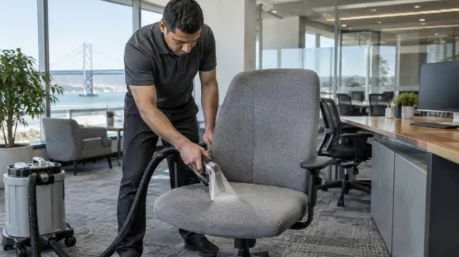
A commercial upholstery cleaning provider cleans fabric or leather furniture at business locations, including office chairs, conference room seating, and waiting area furniture. Before choosing a provider, ask how they inspect furniture and select a cleaning method for its material and condition. The ANSI/IICRC S300:2025 standard covers inspection, cleaning methods, leather, stains, and safety.
Consider how the work will affect building access, drying time, staff, and visitors. If you need help coordinating vendors, Cappstone Inc. brings more than 30 years of facility and building maintenance experience and connects clients with trusted vendors. Cappstone serves San Francisco, the North Bay, the East Bay, and the Peninsula.
Key Takeaways
- Ask a commercial upholstery provider to inspect each piece and explain how material, condition, and stains affect the cleaning method, using ANSI/IICRC S300:2025 as a relevant industry standard.
- Plan access, room sequencing, and return to use around the cleaning method, since upholstery drying generally takes 1 to 6 hours.
- Compare quotes by checking what each price covers, with general examples of $15 to $45 per office chair and $80 to $200 per conference room sofa, and ask about stain treatment, furniture moving, and minimum charges.
- Before booking, request a written scope, chemical safety information, proof of insurance, and a completion record, or contact Cappstone at (415) 726-9321 for help coordinating trusted vendors across San Francisco, the North Bay, the East Bay, and the Peninsula.
What Does a Commercial Upholstery Provider Do?
A commercial upholstery cleaning provider cleans fabric or leather furniture at business locations, including desk chairs, conference room furniture, lobby seating, and other upholstered items used by staff or guests. The U.S. Census Bureau classifies carpet and upholstery cleaning under NAICS 561740.
Commercial work takes place in an active workplace, where furniture is used throughout the day. A provider should discuss staff schedules, visitor access, and facility operations to plan when rooms and furniture can be reached without disrupting normal use.
Before recommending work, a provider should inspect the furniture and discuss its material, condition, stains, access, and timing. For example, they should check whether desk chairs have fabric seats, lobby seating includes leather, and conference rooms are available during the proposed service window.
Access can affect how work is organized across shared spaces. You can clarify room availability, building access procedures, and when staff or guests are most likely to use the furniture. The provider can then recommend a scope and schedule that fit your property.
How Do Professionals Clean Commercial Upholstery?
Professionals inspect each piece, identify its material and condition, choose a suitable cleaning method, treat stains, and plan for drying before furniture returns to use. The process may differ for fabric chairs, leather lobby seating, and furniture with wear or existing damage.
ANSI/IICRC S300:2025 covers upholstery fibers and construction, inspection, cleaning methods, leather, stain removal, commercial maintenance, and safety and health, according to the IICRC standard announcement. An inspection helps the provider choose a method for each piece instead of assuming all furniture can be cleaned the same way.
Before work begins, ask how the provider identifies fabric or leather, chooses a method for each material and condition, and handles stains. Ask how they will respond if a stain does not come out as expected and how they will share drying estimates. Clear answers help you plan access to seating and rooms while work is underway.
Drying time varies by cleaning method. A general published range for upholstery is 1 to 6 hours, so ask for an estimate based on your furniture and the planned method. Include that estimate in the service schedule, especially if staff or guests need the seating soon after cleaning.
How Much Does Commercial Upholstery Cleaning Cost?
Commercial upholstery cleaning commonly costs about $15 to $45 per office chair and $80 to $200 per conference room sofa, based on general market examples. These are reference points, not standard rates for facilities across the Bay Area.
Ask whether the chair price covers just the seat or the entire chair. Furniture type also affects the price, since a desk chair and a conference room sofa require different amounts of work.
Fabric condition and stain treatment can affect the price. Cleaning worn or heavily soiled upholstery, or treating specific stains, may take more work than routine cleaning. The size of the job and access requirements matter too, including how many pieces need service and whether furniture is difficult to reach or move.
Ask whether the quote includes an inspection, moving furniture, stain treatment, and drying guidance. Check whether there is a minimum service charge, especially if you need only a few pieces cleaned. Compare the scope, furniture count, and included services before comparing totals. A lower price per chair may cover only the seat, while another quote may include the whole chair and extra treatment.
How Do You Compare Cleaning Providers?
Compare commercial upholstery cleaning providers by asking the same questions about commercial experience, inspection, cleaning methods, safety, and job accountability. Look for answers that address your furniture and operating needs, not just a general cleaning process.
Ask each provider:
- Which commercial settings and furniture types have you cleaned that are similar to ours?
- How do you inspect upholstery and choose a cleaning method?
- Will you provide a written scope that lists furniture, tasks, and any exclusions?
- Can you share references or examples relevant to our facility type?
Ask who will contact you if the scope or schedule changes, or if a stain, damaged item, or other problem comes up. A clear contact and process for raising concerns can help you respond quickly and keep building operations informed.
Ask how the provider shares chemical information with staff and trains them to handle workplace chemical hazards. When hazardous chemicals may be present, OSHA’s Hazard Communication Standard addresses labels or warnings, safety data sheets, and employee information and training.
Before approving work, request proof of insurance and confirm site access procedures, preparation expectations, and how the provider will document completion. Ask what records you will receive, such as a completed work order listing the areas or furniture serviced and any issues that need follow up. A written record gives you a clear reference if questions arise after the work.
Can Cleaning Fit Your Business Hours?
Yes, a commercial upholstery cleaning provider can work around your business hours if you agree on access, room sequencing, and drying restrictions before booking. Ask whether the provider can schedule before opening, after closing, or during service windows that suit your operations.
Plan the work by room or furniture group, such as office chairs, conference room seating, or lobby furniture. A phased schedule can keep some seating and rooms available to staff and guests while other areas are being cleaned.
Ask for drying estimates based on your furniture and the cleaning method. Professionally cleaned upholstery generally takes 1 to 6 hours to dry, depending on the method. Confirm when each area can return to use and whether wet furniture will have temporary restrictions.
Before service, discuss building access procedures, who will move furniture, and whether the provider expects to make noise during busy periods. Agree on how the provider will communicate schedule changes or access issues, and identify the building contact who should receive updates. Clear coordination matters when seating supports daily work or shapes the experience of visitors and guests.
When Does Facility Coordination Help?
Facility coordination helps when you want upholstery cleaning arranged alongside other building services through one management contact. This can be useful when a property has several vendors, shared spaces, or schedules that need to work together.
Cappstone Inc. has more than 30 years of facility and building maintenance experience and connects clients with trusted vendors. Cappstone coordinates facility services, giving you one point of contact for managing the work.
For example, Cappstone can help coordinate upholstery cleaning with other facility service needs, keeping scheduling and vendor communication connected. Its regional service area includes San Francisco, the North Bay, the East Bay, the Peninsula, and surrounding areas.
If vendor coordination would help your team, request a custom quote or contact Cappstone through its website or by calling (415) 726-9321.
Request a Facility Specific Quote
To request a quote, prepare your property type, service address, approximate number of upholstered chairs and sofas, and the areas that need attention. Include your preferred service windows, access instructions, and any rooms that must remain open. Note whether you want upholstery work coordinated with other facility service needs.
Cappstone Inc. has more than 30 years of facility and building maintenance experience. It connects your facility with trusted vendors and gives you one point of contact for service management. When you contact Cappstone, describe whether your property is an office, school, hotel, or another commercial space, and explain any scheduling or vendor coordination needs.
Cappstone serves San Francisco, the North Bay, the East Bay, the Peninsula, and surrounding areas. Share your location and requested scope to discuss a custom quote for your facility. Contact Cappstone Inc. through its website or call (415) 726-9321 to get started.