Luxury Without the Splurge: Why Better-Value Alternatives Are Gaining Ground
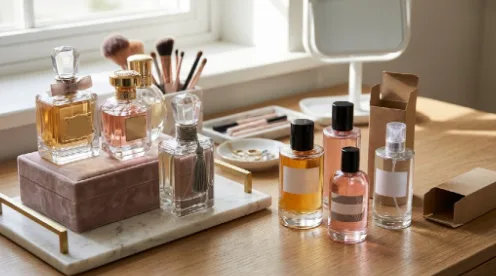
Luxury still has plenty of appeal, but shoppers are becoming more selective about how they pay for it.
Across fashion, beauty, accessories, and fragrance, consumers are looking harder at what they actually get in return for a premium price. The name on the label still matters to some buyers, but performance, quality, versatility, and overall experience are becoming just as important.
That shift is helping better-value alternatives gain more attention.
Shoppers Are Asking Better Questions
The buying decision is no longer always, “Can I afford the luxury version?”
More often, it is becoming, “Is the luxury version worth it for me?”
That difference matters.
A shopper may still spend more on a designer handbag if the craftsmanship, materials, and longevity justify the purchase. But in another category, the premium may feel harder to defend if a lower-priced option delivers a similar experience.
Beauty and fragrance are especially interesting here because the product itself often matters more than the label once it is being used.
With fragrance, nobody sees the bottle after you leave home. What people notice is the scent, how it develops, and whether it leaves an impression.
Fragrance Alternatives Fit the Shift Toward Better Value
This is one reason fragrance alternatives have become part of the smarter-shopping conversation.
Take God of Fire by Stéphane Humbert Lucas 777, for example. It has a distinctive profile that appeals to fragrance lovers who enjoy bold, memorable scents, but the luxury positioning may not work for every budget or buying preference.
Someone drawn to that scent direction may instead explore a god of fire dupe designed to deliver a similar vibe and overall scent profile.
The attraction is not simply about spending less.
It is about getting close to the experience you wanted in the first place without feeling like the premium label is the only route available.
For some shoppers, the original bottle and prestige are part of the appeal. For others, the fragrance itself is what matters most.
That is where better-value alternatives make sense.
What Consumers Are Comparing Before They Buy
Shoppers today have more ways to evaluate products before making a decision. Instead of relying only on brand reputation, they can compare:
- Performance: Does the product actually last or perform as expected?
- Quality: Does the alternative feel well-made or thoughtfully formulated?
- Similarity: Does it capture the look, feel, or scent direction that attracted them to the original?
- Frequency of use: Will they use it often enough to justify the premium?
- Overall value: Are they paying for a meaningful difference, or mainly for the name?
These questions are making luxury purchases more deliberate.
They are also making alternatives more acceptable.
Better Value Does Not Mean Rejecting Luxury
It is important to separate value-conscious shopping from anti-luxury shopping.
Many consumers still enjoy designer fashion, premium beauty, and niche fragrance. They simply do not feel the need to choose the most expensive version in every category.
That creates room for a mixed approach.
A shopper might invest in one luxury coat, carry a mid-range bag, wear vintage jewelry, and choose a fragrance alternative that gives them a similar scent experience to something far more expensive.
The result can still feel polished and personal without every purchase being tied to prestige pricing.
The Experience Is Becoming the Status Symbol
Luxury used to be closely associated with recognition.
Now, the conversation is shifting toward experience.
Does it look good? Does it perform well? Does it last? Does it fit your lifestyle? Does it make you feel like the purchase was worth it?
Those questions are harder for a logo alone to answer.
That does not mean luxury brands are losing relevance. It means they have more competition for consumer attention.
Better-value alternatives are gaining ground because they give shoppers another option: one that can offer a familiar look, feel, or fragrance profile while leaving more room for choice.
And for many consumers, that flexibility is becoming a luxury in itself.