Rising Demand for Bespoke Storage Reflects a Bigger Change in How Homeowners Use Bedroom Space
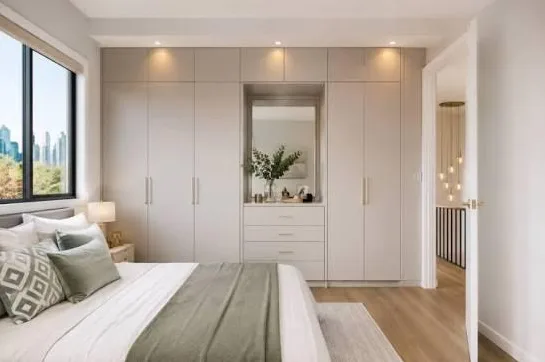
The modern bedroom has evolved into more than just a place to sleep. For many homeowners, it now serves several purposes, from providing a quiet home office to accommodating growing wardrobe collections and creating a personal dressing area. As the demands placed on bedroom space continue to expand, conventional wardrobes are not always able to meet changing needs. Homeowners increasingly require practical storage that supports their daily routines without compromising comfort or style.
The Bedroom Has Become a More Flexible Space
One of the defining features of contemporary living is the need for versatile interiors. A bedroom may need to accommodate early morning work calls, exercise equipment, reading corners and everyday dressing routines. When several activities compete for limited floor space, thoughtful storage becomes an essential part of successful bedroom planning. Options such as Bespoke wood wardrobes Bedfordshire can help homeowners make better use of available space while complementing the bedroom’s layout, style and everyday storage needs.
This shift also changes how homeowners approach furniture. Instead of choosing pieces based solely on appearance, many consider how well they support everyday life. A carefully planned bedroom can make it easier to move around, keep personal belongings organised and maintain a relaxing atmosphere, even when the room serves multiple purposes.
Standard Wardrobes Do Not Always Use the Available Space
Freestanding and mass-produced wardrobes can provide useful storage, but their standard dimensions and internal layouts do not suit every room. Common problems include unused overhead space, awkward gaps beside walls and furniture that extends inconveniently into walkways or near doorframes. Choosing a well-designed, fitted wardrobe can help maximize available space, improve the room’s overall appearance and potentially enhance property value by making the bedroom more functional and appealing to prospective buyers.
Fixed hanging rails, shelves and drawers can also limit flexibility. Someone with a large collection of formal clothing may need more hanging space, while another homeowner might benefit from additional shelving for folded garments, accessories and everyday essentials.
Even bedrooms with identical floor dimensions can have very different storage requirements. Ceiling heights, window positions, alcoves and individual lifestyles all influence the most practical arrangement. This makes a one-size-fits-all approach less suitable for homeowners who want to make the most of their available space.
Bespoke Storage Can Work Around the Room
Made-to-measure storage offers a way to address these spatial challenges by adapting furniture to the room rather than forcing the room to accommodate standard furniture. Bespoke designs can make use of sloped ceilings, fill awkward alcoves and extend towards the ceiling to create additional storage without unnecessarily increasing the furniture’s footprint.
The internal layout can also be planned around specific needs. Adjustable shelving, dedicated drawers and carefully positioned hanging rails help ensure that frequently used belongings remain accessible. These details can make a noticeable difference in rooms where every section of available space matters.
For homeowners seeking a tailored finish, commissioning bespoke wood wardrobes in Bedfordshire provides an opportunity to work with local specialists on cabinetry designed around their space and preferences. The result can combine practical storage with materials, finishes and dimensions that complement the existing bedroom.
Good Storage Is About More Than Fitting More Things In
Although capacity is important, effective storage is ultimately about making everyday routines easier. When clothing, accessories and personal belongings have designated places, homeowners spend less time searching for items or rearranging clutter.
For example, keeping everyday clothing within easy reach can simplify morning routines, while separate compartments for accessories help prevent smaller items from becoming misplaced. Seasonal clothing can be stored in less accessible sections, leaving frequently used items close at hand.
A well-organised bedroom can also feel more spacious because fewer belongings need to remain on visible surfaces. This creates a calmer environment that supports relaxation while allowing the room to fulfil its other functions.
The Design Should Still Feel Like Part of the Bedroom
Practicality alone is not enough. Storage furniture should complement the bedroom’s overall appearance rather than dominate it. Proportion, materials and finishes all influence how successfully a wardrobe fits into its surroundings.
Matching wood tones to existing furniture, choosing colours that complement the walls and using suitable handles can create a more cohesive interior. In older properties, designs that respect the home’s architectural character may feel more appropriate than furniture with a noticeably different style.
Careful planning also helps maintain comfortable access to doors, windows and walkways. These details ensure that additional storage improves the room without making it feel crowded.
Conclusion
As lifestyles continue to change, expectations of bedroom furniture are changing too. The bedroom is no longer used exclusively for sleeping; it must often support work, personal routines and everyday organisation. Incorporating the distinct features of a modern house plan, such as functional layouts, efficient space utilization and flexible living areas, can help homeowners create bedrooms that balance comfort and practicality. Bespoke storage offers a practical way to complement these design principles while making better use of available space.
By combining thoughtful layouts, suitable materials and personalised storage features, homeowners can create bedrooms that feel organised, comfortable and visually balanced. The goal is not simply to fit more belongings into a room, but to create a space that works naturally with the way people live.