Quartz vs. Granite Countertops: Which Is Better for Your Home?
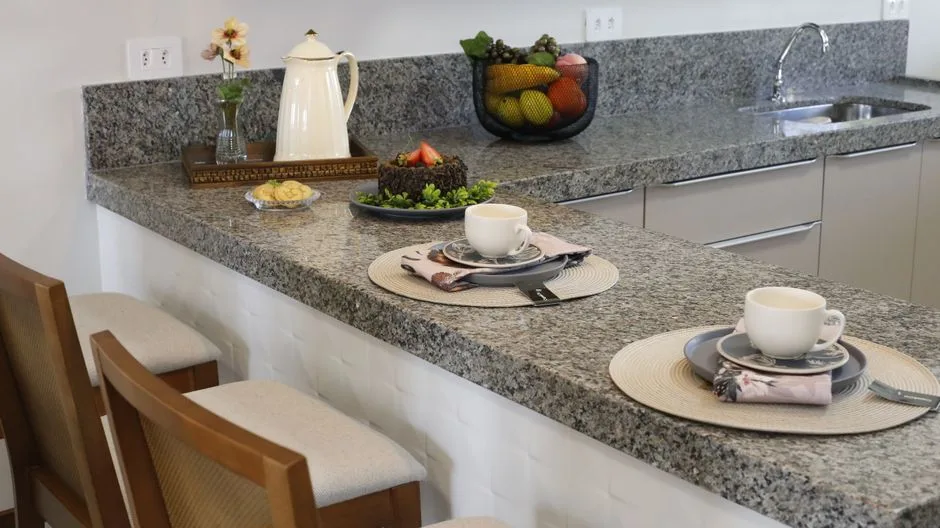
Upgrading your kitchen or bathroom surfaces represents one of the most impactful investments you can make in your living space. Countertops serve as functional workhorses and aesthetic anchors, dictating the design tone for surrounding cabinetry, flooring, and wall finishes. Homeowners embarking on a renovation inevitably encounter the classic debate between two industry leaders: engineered quartz and natural granite. Each surface delivers a distinctive blend of style, resilience, and character, making the selection process both exciting and significant.
Choosing between these two premium surfaces requires an understanding of how you utilize your kitchen on a daily basis. While both materials consistently rank among the best kitchen countertop materials, their performance characteristics vary based on composition and everyday wear. Exploring professional quartz and granite countertop options provides valuable perspective on how different slab styles and edge profiles integrate with your cabinetry. By evaluating how your cooking habits, cleaning preferences, and design vision align with each surface, you can confidently invest in a material that enhances daily living.
Composition and Aesthetic Differences
The primary distinction between quartz and granite stems from how each material is created. Granite is a purely natural stone cut directly from quarries across the globe. After extraction, large blocks are sliced into slabs, polished, and shipped for fabrication. Because it is formed by subterranean volcanic activity over millions of years, every granite slab displays an entirely unique mineral composition. Homeowners who appreciate natural movement, earthy tones, dramatic swirls, and sparkling mineral flecks often gravitate toward granite because no two installations are ever identical.
In contrast, quartz countertops are engineered surfaces manufactured by blending roughly ninety percent crushed natural quartz crystals with high-performance polymer resins and pigments. This engineering process creates an exceptionally consistent surface free of internal fissures or unexpected color shifts. Quartz provides expansive design versatility, ranging from crisp solid hues and concrete textures to styles that closely mirror natural marble veining. If you prefer visual consistency and predictability across large kitchen islands and perimeter counters, quartz offers unmatched uniformity.
Durability and Everyday Performance
When performing a thorough countertop material comparison, durability ranks as a primary consideration. Both quartz and granite handle routine food preparation with ease, yet they react differently to heat, moisture, and impact.
Granite is celebrated for its remarkable resistance to heat. Sourced from volcanic rock, it can tolerate hot pots and baking sheets resting directly on its surface without scorching or melting, though protective trivets remain standard best practice. Granite is also exceptionally hard and scratch-resistant. However, because it is an organic stone, it features natural porosity. If left unsealed, porous granite can absorb liquids such as red wine, cooking oil, and acidic citrus juice, leading to potential staining or harboring moisture.
A primary quartz countertop benefit is its non-porous composition. The resin binding agents seal every microscopic void, creating a dense barrier that completely blocks liquids, odors, and foodborne bacteria. Quartz resists everyday stains without chemical sealers. Its structural resilience also makes it less prone to cracking or chipping along seams and edges. The chief limitation of quartz involves extreme heat. High temperatures can scorch or discolor the resin binders, meaning hot cookware must never be placed directly onto a quartz surface without a heat pad.
Maintenance and Care Requirements
Maintenance expectations often tip the balance when homeowners compare quartz vs granite countertops. Busy households frequently prioritize surfaces that demand minimal ongoing attention.
Granite requires periodic upkeep to maintain its protective barrier. Depending on the density of the stone and the level of kitchen activity, granite countertops should be sealed upon installation and resealed every one to three years. Testing the seal is simple: sprinkling water droplets on the counter will reveal whether the liquid beads up or absorbs into the stone. Routine cleaning involves gentle dish soap, warm water, and specialized stone cleaners that preserve the protective coating.
Quartz is celebrated for effortless care. Because it is inherently non-porous, it never requires sealing, polishing, or special stone conditioners. Everyday cleaning requires only mild soap, water, and a microfiber cloth. For homeowners seeking a low-maintenance solution that withstands spills, sticky prep work, and active family life without periodic refinishing, quartz holds a clear advantage.
Cost and Long-Term Value
Granite countertop pros and cons frequently center on pricing and fabrication variables. The cost of both materials falls into a comparable premium price bracket, with variations driven by slab rarity, thickness, edge detailing, and installation complexity. Standard entry-level granite is often comparable in price to standard quartz, while rare exotic granite varieties can exceed the cost of high-end engineered quartz.
From an investment perspective, both materials offer strong return on investment. Granite continues to attract buyers who value natural stone authenticity and timeless luxury, while quartz appeals strongly to modern buyers seeking turnkey convenience, durability, and contemporary design.
Selecting the Right Surface for Your Home
Choosing between quartz and granite ultimately comes down to your lifestyle priorities. Granite is ideal for homeowners who cherish one-of-a-kind natural beauty, superior heat resistance, and organic character. Quartz is the superior fit for those who desire contemporary styling, uniform aesthetics, and zero-maintenance convenience. Weighing these practical factors against your renovation vision ensures you select a surface that will remain durable, functional, and visually striking for decades to come.