Cervical Collar for Cervical Spondylosis: Uses and Considerations
Cervical spondylosis is an age related wear and tear affecting the neck joints. But, due to the shifting demographic of the digital era in India, this issue has quickly transformed into a modern day crisis among the population. Many young adults are suffering from it too.
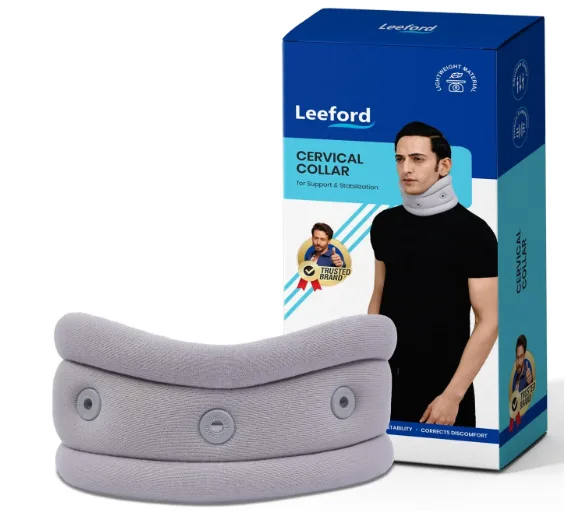
Among tools available to manage this issue, the cervical collar is one of the most familiar ones among them. It helps to provide support and care your neck has been searching for. But, people often doubt whether they should use the collar or not.
This guide will help you understand how the neck belt is used in cervical spondylosis and what are some considerations to keep in mind while using it. It will also help you choose the right supportive tool for your cervical issue.
Let’s explore!
What Is Cervical Spondylosis?
It is a degradation with age affecting the joints, discs and vertebrae of the neck. It is the most common cause of chronic neck pain especially in adults over 40.
As the discs lose their hydration and small spurs develop along the vertebrae, many people experience stiffness, aching and discomfort in the back. Sometime, nerve related symptoms may arise which radiate to shoulders and arms.
Common symptoms includes
- Chronic pain or soreness around the neck
- Neck stiffness that feels worse after resting
- Grinding or clicking sounds when head turns
- Tension headaches originating at the base of the skull
- Myelopathy Signs which includes loss of hand coordination
How Neck Collar Provides Relief
A cervical collar helps manage cervical spondylosis by immobilizing the neck and providing support in following ways:
-
Eases Nerve Pinching or Radiculopathy
The neck is aligned to minimize further nerve irritation in case of sharp arm pain from a pinched nerve.
-
Reduces weight on the neck
A collar radiates the head weight directly to your shoulders, giving overworked neck muscles and compressed discs a chance to rest.
-
Controls Posture
Wearing a soft collar during prolonged sitting can prevent the neck from dropping into painful awkward positions.
-
Limits Irritating Movements
By restricting neck movement, the collar prevents motions that can trigger nerve pinching as well as bone spurs.
-
Improves Proprioception
Acts as a kinesthetic reminder. It reminds the head subconsciously to stop unnecessary movements.
Common Types Of Cervical Collar Used In Cervical Spondylosis
| COLLAR TYPE | SOFT CERVICAL COLLAR | RIGID CERVICAL COLLAR |
| Material & Structure | Thick pliable foam covered in a breathable fabric sleeve with a velcro closure | Hard molded plastic shells lined with removable foam padding |
| Restriction | Mild | High |
| Best Used For |
|
|
| Key Limitations | Provides minimal structural support | Cause skin irritation or sores if worn tightly for too long |
3 Important Considerations To Keep In Mind While Using Neck Collars
-
The Risk of Muscle Dependency
Your neck relies on a complex network of muscles to hold up your head. When you wear a collar, it takes over the work of these muscles.
-
Muscle Atrophy
If worn continuously for more than 1 to 2 weeks, your neck muscles will begin to weaken and shrink due to inactivity.
-
Rebound Pain
Once the muscles weaken, they have to work hard to support your head when you take the collar off. This often triggers severe pain.
-
The Paradox of Stiffness
Cervical spondylosis already causes age related stiffness in your spinal joints.
Completely freezing your neck movement with a collar for too long reduces the circulation of healthy joint fluid.
This accelerates joint stiffness, making your neck feel even harder to turn or bend once the collar is removed.
-
Active Therapy is Still Required
A neck collar is simply to calm down a severe acute flare-up. It does not reverse bone spurs, dehydrated discs or arthritis. Long-term recovery requires
-
Physical Therapy
Targeted exercises to rebuild the deep stabilizing muscles of your neck and upper back.
-
Posture Correction
Maintaining proper posture especially while using computers or phones, naturally take pressure off from your cervical spine.
Safe Usage Guidelines
-
Limit usage to 1–2 weeks
Unless your doctor advises, do not wear a collar for more than 14 days.
-
Wear it intermittently
Do not wear the collar all day. Put it on only during activities that trigger your pain.
-
Avoid sleeping with it
Unless instructed, remove the collar before resting to relax neck muscles.
-
Ensure a level gaze
Your chin should rest comfortably in the collar’s indent without pushing your head up or forcing your chin down toward your chest.
-
Check the tightness
The collar should be fit to limit movement but not too tight to cause difficult breathing or choking.
When To Stop Using A Cervical Collar?
-
Worsening symptoms
Your neck pain increases or you notice new numbness, tingling or weakness shooting down your arms or hands.
-
Skin breakdown
You develop red painful spots or open sores under the area where gear sits.
-
Dizziness
Wearing the collar makes you faintly lightheaded or alters your balance.
Final thoughts
Sometimes, a modern problem requires some updated adjustments. A cervical collar can be a short term support for the people navigating through the discomfort issues of cervical spondylosis. It can be significant during flare-ups as well as nerve related pain episodes.
But, since cervical spondylosis is a chronic condition, the collar’s role should stay limited and purposeful. Remember to use it as a supportive garment instead of an ultimate treatment. It must always be paired with the active treatments that build strength and flexibility to the natural muscles. When used properly, it can ease you through the toughest battle of cervical spondylosis.