How to Choose the Right Shaft Collar for Your Application
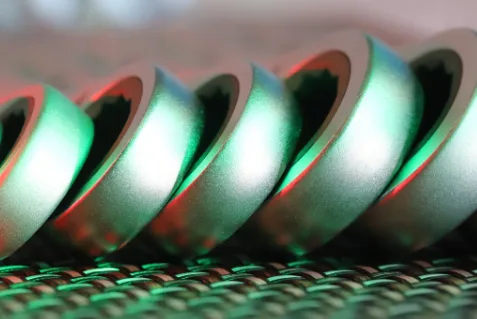
Selecting the correct components for machinery and mechanical systems is essential for achieving reliable performance and minimizing maintenance issues. While many people focus on motors, bearings, and shafts, smaller components can have a significant impact on overall system efficiency. One such component is the shaft collar, which serves multiple functions in power transmission and motion control applications.
Understanding how to choose the right option for your specific needs can help improve equipment performance, reduce downtime, and extend the life of your machinery.
Understand the Purpose of the Shaft Collar
A shaft collar is a mechanical device that is fitted around a shaft to hold components in place, act as a mechanical stop, provide spacing, or support loads. These seemingly simple components are used in a wide range of industries, including manufacturing, packaging, agriculture, food processing, and automation.
Before selecting a collar, determine exactly what function it will serve within your system. Some applications require positioning accuracy, while others need load-bearing support or protection against axial movement. Understanding the primary role of the component will help narrow your options and ensure better long-term performance.
Choose the Appropriate Collar Type
There are several types of collars available, and each offers unique advantages depending on the application.
Set screw collars are among the most common and economical choices. They use a screw that tightens directly against the shaft. These collars are suitable for applications where cost is a major factor and shaft damage is not a significant concern.
Clamp-style collars are often preferred because they distribute holding forces more evenly around the shaft. They provide a secure grip without creating concentrated stress points. For equipment requiring precise alignment or frequent adjustments, clamp-style designs are often a better option.
Two-piece clamp collars offer additional flexibility because they can be installed without removing other components from the shaft. This design is especially useful in systems where maintenance access is limited.
When evaluating shaft collars, consider which collar style best matches the installation requirements, load conditions, and maintenance expectations of your application.
Consider the Shaft Material and Dimensions
Accurate shaft measurements are critical when selecting a collar. Even a small sizing error can lead to slipping, reduced holding power, or installation difficulties.
Measure the shaft diameter carefully and verify whether measurements are expressed in imperial or metric units. Choosing the exact size helps ensure proper fit and performance.
The shaft material should also influence your decision. Softer shafts may be damaged by aggressive fastening methods such as set screws. In these situations, clamp-style collars can provide secure holding without causing surface deformation.
Surface finish is another important consideration. Smooth shafts may require different gripping characteristics than rougher surfaces. Understanding the shaft’s physical properties can help you select a collar that provides dependable performance while minimizing wear.
Evaluate Material and Environmental Conditions
The operating environment has a major impact on collar selection. Different materials offer varying levels of strength, corrosion resistance, and durability.
Steel collars are commonly chosen for demanding industrial environments because of their strength and load capacity. They perform well in applications involving heavy machinery and high forces.
Stainless steel collars are ideal for environments exposed to moisture, chemicals, or frequent washdowns. They are commonly used in food processing, pharmaceuticals, and marine applications where corrosion resistance is essential.
Aluminum collars provide a lightweight alternative for systems where reducing overall weight is important. They are often used in automation, robotics, and light-duty equipment.
Engineered plastic collars may be suitable for specialized applications requiring electrical insulation, chemical resistance, or reduced weight. However, they generally offer lower load capacity than metal alternatives.
Carefully considering environmental factors such as temperature, humidity, chemical exposure, and contamination will help ensure reliable operation over time.
Account for Load Requirements and Performance Demands
The amount and type of load acting on a collar should play a central role in the selection process. Components subjected to high axial loads, vibration, shock, or repetitive motion require collars that can maintain secure positioning under demanding conditions.
Review the manufacturer’s specifications and load ratings before making a final decision. A collar that performs well in a light-duty application may not provide sufficient holding power for more demanding industrial systems.
Applications involving frequent starts and stops, heavy torque, or continuous operation often benefit from higher-quality materials and advanced collar designs. Investing in a properly rated component can reduce the risk of premature failure and costly downtime.
It is also important to consider future operating requirements. If machinery upgrades or production increases are likely, selecting a collar with additional performance capacity may provide greater long-term value.
Conclusion
Choosing the right shaft collar involves more than simply matching a diameter. Factors such as collar style, shaft characteristics, material selection, operating environment, and load requirements all contribute to overall performance. By carefully evaluating these considerations, businesses and equipment operators can select a solution that improves reliability, supports efficient operation, and helps protect valuable machinery investments for years to come.