Smarter Ways to Manage Employee Time Every Day
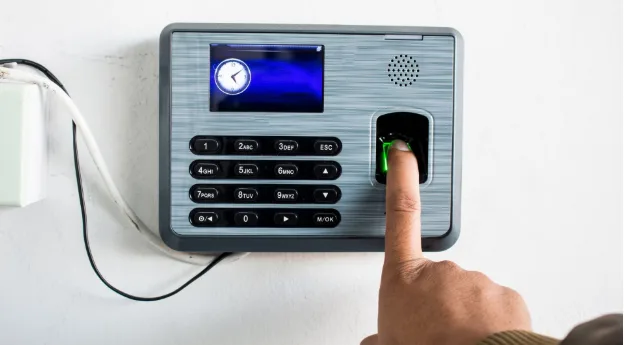
Good time records help every business. Time and attendance systems make this task simple. They track when staff start and end work. They can also track breaks, late hours, leave, and overtime. All data stays in one place. This saves time for managers and HR teams. It also helps staff check their own hours. Paper records can be slow and hard to check. A digital system gives clear data with less work. This can help a business run each day with fewer time record errors.
Why Accurate Time Records Matter
Wrong time records can cause real issues. A worker may miss a clock-out. A manager may enter the wrong hour. A paper sheet may also get lost. These small errors can affect pay and work plans. Digital tools keep each clock-in and clock-out record in one place. Managers can check the data when needed. Staff can also see their work hours. This makes time records clear for all. It helps reduce mistakes and can make paychecks easier to review.
How Digital Tools Save Time
Time and attendance software can cut down on daily work. Staff can clock in with a phone, tablet, or clocking device. The system then saves the time. Managers can check the data from one place. There is no need to sort many paper sheets. This can save hours each week. It also makes it easy to find missing clocking. A manager can check a record in a few clicks. That is much faster than checking a long list by hand. Simple tools can make a busy day easier.
Better Control Over Staff Hours
A good system can show when staff start and stop work. It can also show breaks, leave, late starts, and extra hours. This helps managers see how time is used. It can be useful for teams with set shifts. It can also help teams with changing work hours. Staff get a clear record of their own time. Managers get the same data. This can help when a time issue comes up. Both sides can check the record. There is less need to rely on memory.
Connecting Attendance with Payroll
Payroll needs correct work time data. Time and attendance systems can help keep this data in order. They can record work hours and make them easy to check. Some systems can also connect with payroll tools. This can reduce the need to enter the same data twice. It may also help cut simple errors. Overtime and leave can be checked before pay is sent. This is useful for both staff and payroll teams. Clean time data can make each pay run clearer and much easier to manage.
Supporting Remote and Field Teams
Many staff do not work in one place. They may visit homes, stores, sites, or client offices. Mobile clocking can help these staff record work time while away from the main office. Some tools also use GPS to record the clocking location. This gives managers a better view of field work. It can help teams in sales, repair, trade, and site work. Staff do not need to fill in paper sheets at the end of the day. Their time can be saved as they work.
Using Data for Better Decisions
Time data can show more than staff hours. It can show late starts, missed shifts, leave, and overtime. Managers can use this data to plan work. They may find that one shift often needs more staff. They may also see that overtime is too high. These facts can help with staff plans. Time and attendance software can also create simple reports. A report can make a busy set of records easy to read. This helps managers find issues fast and take action when needed.
Conclusion
Good time records can make work easier. They can help staff and managers keep the same clear record. A digital system can reduce paperwork and save time. It can also help with pay, leave, shifts, and overtime. Mobile tools can support staff who work away from the office. There are biometric tools available to ensure that the right person is in the door. If your company is seeking a user-friendly method to track employee hours you may want to check out timemaster.co.za. Clear records with the right tool can save admin time and make every day work easier and more consistent.