Why Professional Water Heater Installation Pays Off From Day One
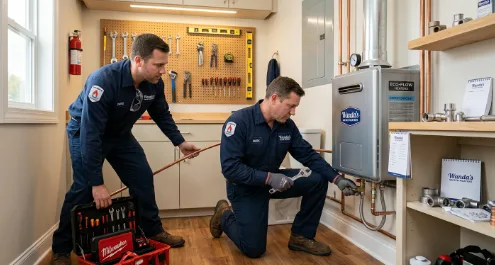
A hot shower shouldn’t be a gamble. Yet for homeowners stuck with an aging water heater, that’s exactly what mornings become—a game of chance between lukewarm disappointment and the real thing. If you’ve been putting off replacing your unit, or you’re building a space that needs reliable hot water from the start, it’s time to think seriously about getting it done right.
At Wanda’s Water Heaters, we’ve seen firsthand how the right installation transforms a household’s daily routine. It’s not just about having hot water; it’s about having it consistently, safely, and efficiently, without the surprise cold spells or spiking utility bills that come with a poorly fitted system. This post walks through what makes a quality installation matter, what to expect from the process, and how to choose the setup that fits your home.
What Makes Water Heater Installation So Important?
Many homeowners assume any plumber can slap in a new tank and call it done. The truth is more nuanced. Water heaters involve a careful balance of plumbing, electrical or gas connections, venting, and local code compliance. Get any one of these wrong, and you’re looking at reduced efficiency, premature wear, or worse, safety hazards like gas leaks or scalding risk.
A properly installed unit, on the other hand, delivers consistent hot water, operates quietly in the background, and sips energy rather than guzzling it. The difference between a rushed job and a meticulous one often shows up months later, in the form of either a reliable system or a growing list of repair calls.
Signs You Need a New Water Heater
Before diving into installation specifics, it helps to know when replacement actually makes sense. A few telltale signs include:
- Age: Most tank water heaters last 8 to 12 years. If yours is approaching or past that mark, it’s living on borrowed time.
- Rusty or discolored water: This often signals internal corrosion, which won’t improve with age.
- Strange noises: Rumbling or popping sounds usually mean sediment buildup, reducing efficiency and heating capacity.
- Inconsistent temperatures: If your showers swing between scalding and icy, your unit’s thermostat or heating element may be failing.
- Rising energy bills: Older units lose efficiency over time, quietly costing you more every month.
If any of these sound familiar, it’s worth scheduling an inspection sooner rather than later. Catching the problem early often means more options and lower costs.
Choosing the Right Type of Water Heater
Not every household needs the same setup. Choosing the right type depends on your hot water usage, available space, and energy priorities.
Traditional Tank Water Heaters
These remain the most common choice, storing and heating a set volume of water for use throughout the day. They’re generally more affordable upfront and simpler to install, making them a solid choice for families with predictable hot water needs.
Tankless Water Heaters
Tankless units heat water on demand, meaning you never run out, no matter how many showers are running back to back. They take up less space and tend to last longer than tank models, though the installation process is more involved, particularly if you’re upgrading your home’s gas or electrical capacity to support one.
Hybrid and Heat Pump Water Heaters
For homeowners focused on efficiency, heat pump water heaters pull warmth from the surrounding air to heat water, using a fraction of the energy that traditional systems require. They work especially well in warmer climates and can significantly reduce long-term operating costs.
Choosing between these options isn’t always straightforward, which is where an experienced installer becomes invaluable. The right recommendation depends on your household size, daily hot water demand, and even your home’s layout.
What to Expect During the Installation Process
A professional installation typically follows a clear sequence, though the details vary depending on the unit type and your home’s existing setup.
- Assessment: A technician evaluates your current system, home layout, and hot water needs to recommend the best replacement or new installation.
- Removal of the old unit (if applicable): Safely disconnecting and removing an existing water heater, including proper disposal.
- Installation of the new unit: Connecting water lines, gas or electrical supply, and venting according to manufacturer specifications and local building codes.
- Testing: Checking for leaks, verifying temperature settings, and confirming the unit operates safely and efficiently.
- Walkthrough: A good installer will explain maintenance tips and answer any questions before leaving your home.
The entire process usually takes a few hours for a straightforward tank replacement, though tankless installations or those requiring electrical upgrades may take longer.
The Real Cost of Cutting Corners
It’s tempting to go with the lowest bid or attempt a DIY installation to save money. But water heaters involve pressurized water, combustible fuel sources, and electrical connections. A mistake here isn’t just inconvenient; it can be dangerous.
Improperly vented gas water heaters, for instance, pose a carbon monoxide risk. Loose electrical connections can spark fires. And even smaller errors, like incorrect pipe sizing, can lead to reduced water pressure or premature equipment failure. The money saved upfront often gets spent many times over in repairs, higher energy bills, or emergency service calls down the line.
Why Homeowners Trust Wanda’s Water Heaters
Water Heater Installation ensures your home has a reliable hot water supply through a safe, efficient setup tailored to your household’s needs. Our experienced team takes the time to assess your home’s layout, hot water demands, and system requirements before recommending the right solution, delivering careful workmanship and dependable service that help you enjoy consistent performance, improved efficiency, and greater peace of mind for years to come.
Our technicians are trained to work with tank, tankless, and hybrid systems alike, ensuring you get expert guidance no matter which direction you choose. We also prioritize transparency, walking you through pricing, timelines, and maintenance expectations before any work begins. No surprise fees, no guesswork, just dependable service from people who genuinely care about getting it right.
Making the Switch: Your Next Steps
If your water heater is showing signs of age, or you’re simply ready for a more efficient, reliable system, don’t wait for a complete breakdown to force your hand. A proactive approach saves money, prevents emergencies, and ensures your household never has to go without hot water unexpectedly.
Reach out to Wanda’s Water Heaters today to schedule an assessment. Our team will help you compare options, understand costs, and find a solution that fits both your home and your budget. Hot water shouldn’t be complicated, and with the right installation, it won’t be.
Frequently Asked Questions
How long does a typical water heater installation take?
Most standard tank replacements take two to four hours. Tankless installations, especially those requiring new gas lines or electrical upgrades, can take longer, often a full day.
How often should a water heater be replaced?
Traditional tank units typically last 8 to 12 years, while tankless systems can last 15 to 20 years with proper maintenance. Regular inspections help catch issues before they lead to full system failure.
Can I install a water heater myself?
While it’s technically possible for those with plumbing and electrical experience, professional installation is strongly recommended due to the safety risks involved with gas lines, electrical connections, and code compliance.
What size water heater do I need for my home?
Sizing depends on household size, peak hot water usage, and the type of unit you choose. A professional assessment ensures you get a system that matches your actual demand rather than guessing.